Puri at Pachpadra: India's first greenfield refinery in a decade inaugurated
Synopsis
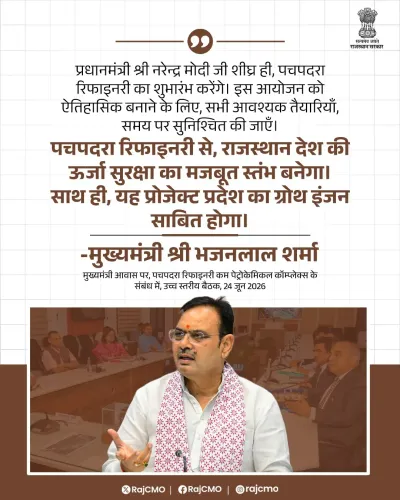
PM Modi inaugurated India's first standalone greenfield refinery-cum-petrochemical complex in nearly a decade at Pachpadra, Rajasthan on 4 July 2026. Built at ₹79,459 crore by HPCL (74%) and the Rajasthan government (26%), the 9 MMTPA complex features the world's largest Polypropylene Unit and Asia's largest Coker unit, targeting energy self-sufficiency and domestic polymer production.
Key Takeaways
PM Modi inaugurated the HPCL Rajasthan Refinery at Pachpadra, Barmer on 4 July 2026 — India's first standalone greenfield refinery-cum-petchem complex in nearly a decade.
Total project cost: ₹79,459 crore , with HPCL holding 74% equity and the Government of Rajasthan holding 26% .
The complex has 9 MMTPA refining capacity, 2.4 MMTPA petrochemical capacity, and a Nelson Complexity Index of 17 .
It will house the world's largest Polypropylene Unit and produce more than 30 polymer grades , reducing India's import dependence.
Asia's largest Coker unit — 125 metres in diameter and 64 metres tall — is part of the facility.
PM Modi also dedicated development projects worth over ₹1.06 lakh crore for Rajasthan during the same visit.
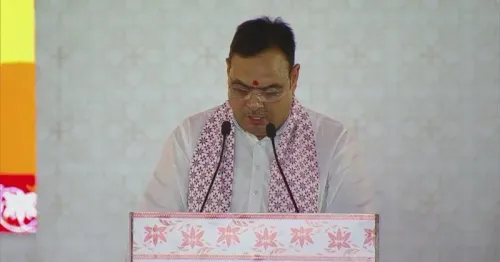
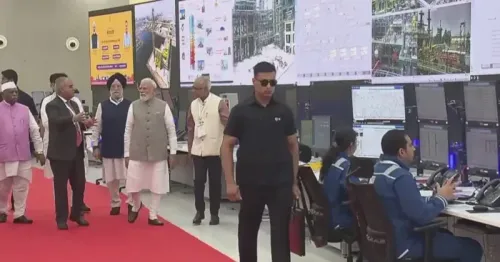
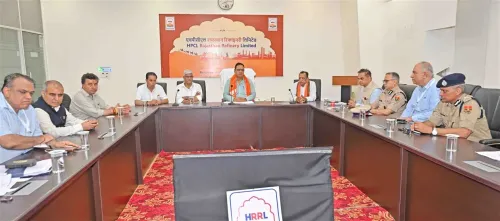
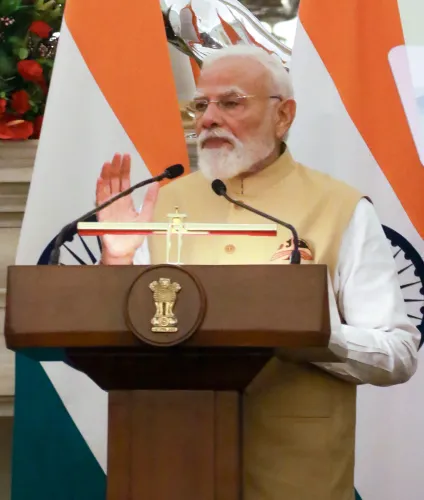
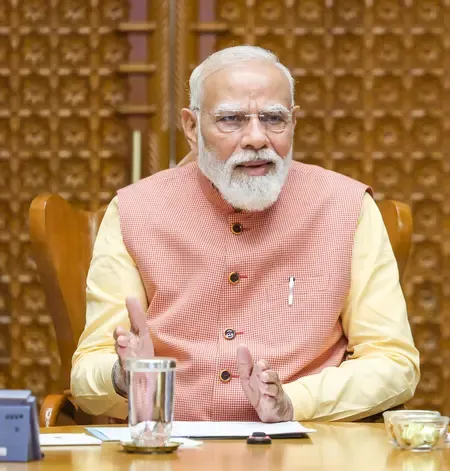
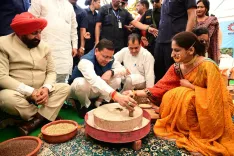
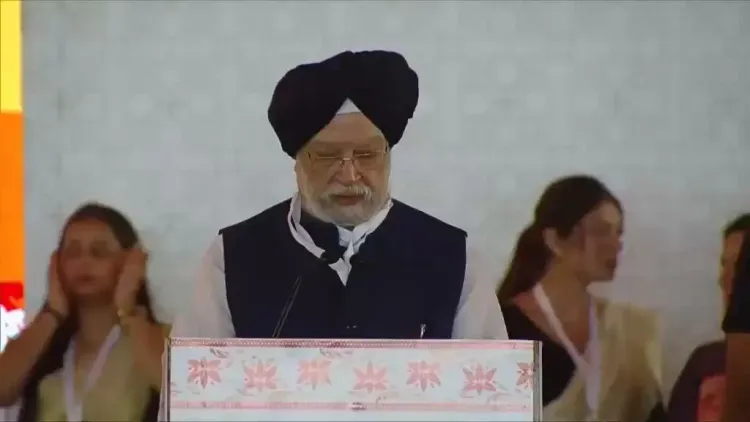
Union Petroleum Minister Hardeep Singh Puri on Saturday, 4 July 2026, witnessed Prime Minister Narendra Modi inaugurate India's first standalone greenfield refinery-cum-petrochemical complex in nearly a decade at Pachpadra, Barmer, Rajasthan — a project built at a cost of ₹79,459 crore and billed as one of the largest single-location industrial investments in the country's oil sector.
Context
The HPCL Rajasthan Refinery at Pachpadra is a unified complex combining 9 MMTPA (million metric tonnes per annum) of refining capacity with 2.4 MMTPA of petrochemical capacity. Energy Maharatna HPCL holds a 74% equity stake while the Government of Rajasthan holds the remaining 26%, making it a rare state-central PSU co-investment model. Minister Puri described the complex as the 'Jewel of the Desert,' noting it is 'deeply privileged' to witness its inauguration.
From day one, the refinery is designed to produce approximately 26% of its output as petrochemical products — a significantly higher integration ratio than older Indian refineries. It carries a Nelson Complexity Index of 17, placing it among the most technically sophisticated refineries in Asia.
Policy Backdrop
The project is firmly anchored in PM Modi's Make in India initiative, launched in September 2014, which set out to boost domestic manufacturing and reduce import dependence across hydrocarbons and petrochemicals. India has long been a net importer of polymers and petrochemical intermediates; integrated refinery-petchem complexes are the government's preferred instrument to reverse that trend.
The Pachpadra complex will house the world's largest Polypropylene Unit and a Polyethylene swing unit capable of producing more than 30 different polymer grades — a direct answer to domestic demand currently met through imports. It will also feature Asia's largest Coker unit, with a diameter of 125 metres and a height of 64 metres.
Scale and Stakeholder Impact
The sheer engineering scale of the project is underscored by the construction statistics cited by Minister Puri: more than 150 lakh cubic metres of earth was moved — six times the volume of the Great Pyramid of Giza; more than 16 lakh cubic metres of concrete was used — five times that of the Burj Khalifa; and more than 6 lakh tonnes of structural steel was deployed — 40 times the steel in the Eiffel Tower.
For Barmer and the broader Rajasthan economy, the complex promises direct and indirect employment, ancillary industrial growth, and a significant boost to the state's revenue base. PM Modi also laid the foundation stone for and dedicated development projects worth over ₹1.06 lakh crore for Rajasthan during the same visit, amplifying the investment signal to the region.
What's Next
Attention will now shift to the operational ramp-up of the 9 MMTPA refinery and the timeline for full commissioning of its downstream polymer units. Industry observers will track whether the complex achieves its targeted petrochemical output ratio in its first full year of operations. The project is also expected to catalyse further investment in Rajasthan's emerging industrial corridor, with potential follow-on announcements for ancillary infrastructure and logistics linkages. For India's broader energy self-sufficiency agenda, Pachpadra represents a tangible step toward reducing the country's dependence on imported polymers and refined products.
Point of View
Combining a marquee central PSU investment with substantial state co-ownership to share credit across both governments. For Minister Puri, publicly anchoring the event to PM Modi's Make in India vision reinforces the petroleum ministry's role as a delivery arm of the broader industrial self-reliance agenda. The Nelson Complexity Index of 17 and the world-scale polymer units signal a deliberate shift from India building simple fuel refineries to constructing value-added petrochemical hubs — a structural upgrade that could meaningfully dent the country's polymer import bill over the next decade. Whether the complex ramps up on schedule will be the real test of whether this inauguration translates into the energy self-sufficiency milestone the government is projecting.
NationPress
4 Jul 2026
Frequently Asked Questions
Where is the new HPCL refinery located?
The HPCL refinery-cum-petrochemical complex is located at Pachpadra in Barmer district, Rajasthan . It was inaugurated by PM Narendra Modi on 4 July 2026 .
What is the cost of the Pachpadra refinery?
The Pachpadra refinery-cum-petrochemical complex was built at a cost of ₹79,459 crore , making it one of the largest single-location industrial investments in India's oil sector.
What is the refining capacity of the HPCL Rajasthan Refinery?
The HPCL Rajasthan Refinery at Pachpadra has a refining capacity of 9 MMTPA (million metric tonnes per annum) and an integrated petrochemical capacity of 2.4 MMTPA .
What is the Nelson Complexity Index of the Pachpadra refinery?
The Pachpadra refinery has a Nelson Complexity Index of 17 , placing it among the most technically advanced and energy-efficient refineries in Asia.
Who are the equity partners in the HPCL Rajasthan Refinery?
HPCL (Hindustan Petroleum Corporation Limited), an energy Maharatna PSU, holds 74% equity in the project, while the Government of Rajasthan holds the remaining 26% .