PM Modi inaugurates India's first greenfield refinery at Pachpadra, launches ₹1.06 lakh crore projects in Rajasthan
Synopsis
India's first greenfield integrated refinery at Pachpadra — a ₹79,450 crore joint venture between HPCL and Rajasthan — was dedicated by PM Modi on Saturday, the anchor of a single-day ₹1.06 lakh crore project blitz spanning clean energy, metro rail, airports, and highways. With a Nelson Complexity Index of 17 and petrochemical yields above 26 per cent, the Pachpadra plant sets a new benchmark for domestic refining ambition.
Key Takeaways
PM Modi dedicated and inaugurated projects worth approximately ₹1.06 lakh crore in Rajasthan on Saturday, 5 July 2025 .
HPCL Rajasthan Refinery Limited (HRRL) at Pachpadra — India's first greenfield integrated refinery-cum-petrochemical complex — was dedicated; investment exceeds ₹79,450 crore .
The refinery has a capacity of 9 MMTPA , a Nelson Complexity Index of 17 , and petrochemical yields above 26 per cent .
The Modified UDAN Scheme was launched with a ₹28,840 crore outlay over 10 years , targeting 100 aerodromes and 200 helipads .
Foundation stone laid for Jaipur Metro Phase II — a 41-km, 36-station corridor estimated at over ₹13,000 crore .
Around 54,000 youth received government appointment letters; Modi also inaugurated a ₹7,500 crore semiconductor OSAT facility in Sanand, Gujarat .
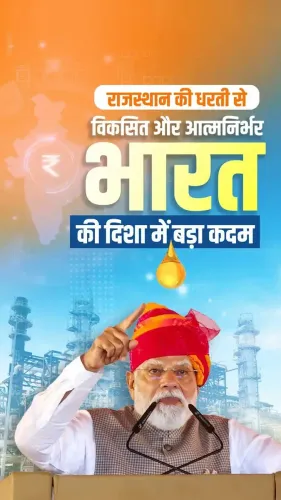
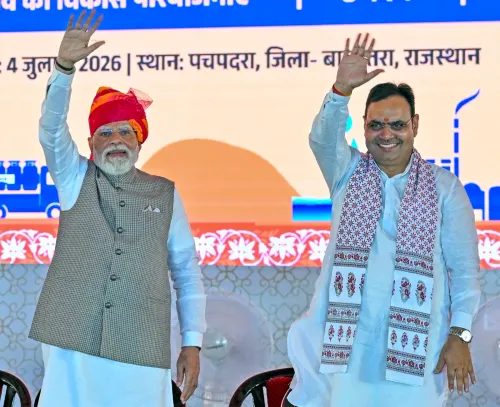
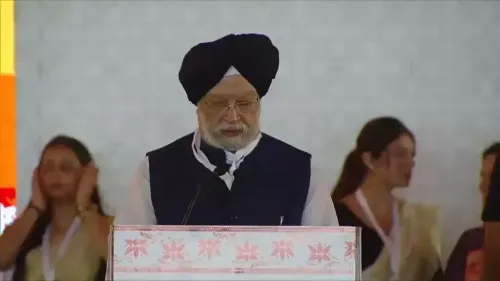
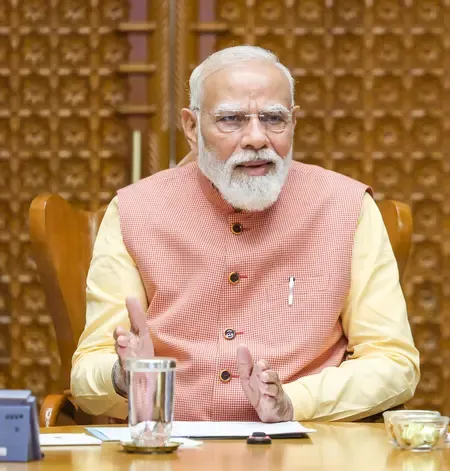
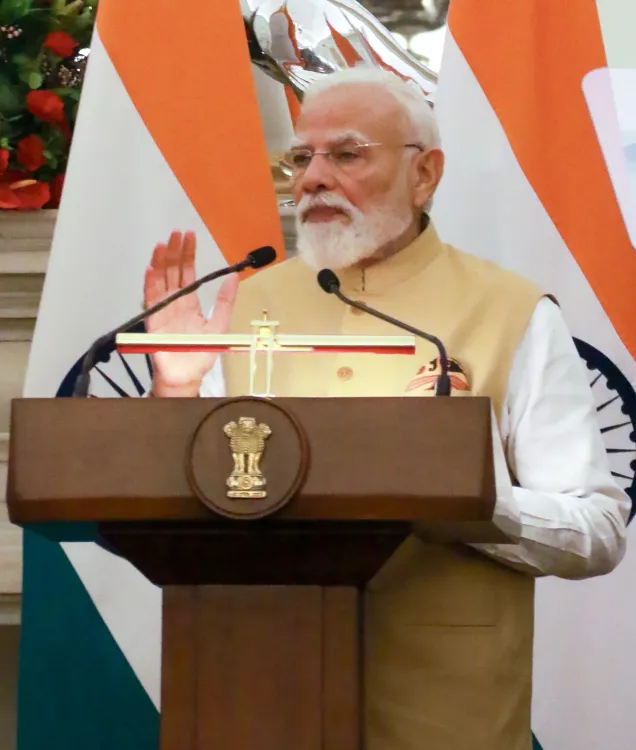
Prime Minister Narendra Modi on Saturday, 5 July 2025, visited Rajasthan to dedicate, inaugurate, and lay foundation stones for development projects worth approximately ₹1.06 lakh crore, spanning petrochemicals, urban transport, railways, roads, renewable energy, power transmission, and aviation. The centrepiece of the visit was the dedication of India's first greenfield integrated refinery-cum-petrochemical complex at Pachpadra in Balotra district.
India's First Greenfield Refinery Dedicated at Pachpadra
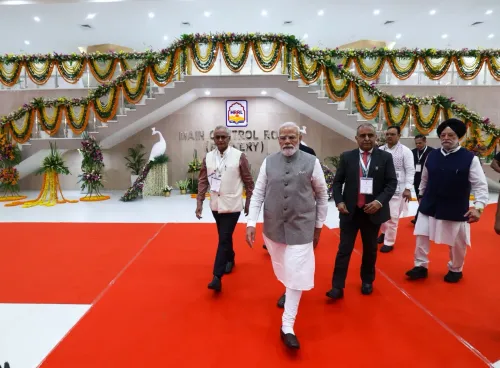
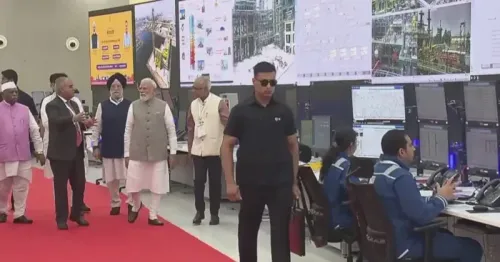
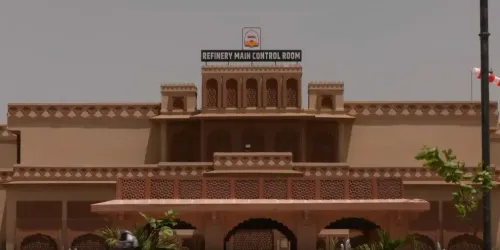
At around 12.15 pm, Modi dedicated to the nation the HPCL Rajasthan Refinery Limited (HRRL) at Pachpadra — a 9 MMTPA integrated refinery-cum-petrochemical complex developed as a joint venture between Hindustan Petroleum Corporation Limited (HPCL) and the Government of Rajasthan. The project was established at an investment of more than ₹79,450 crore, making it the single largest component of the day's announcements.
The complex carries a Nelson Complexity Index (NCI) of 17 — among the highest in India — with petrochemical yields exceeding 26 per cent, matching global benchmarks. It has a petrochemical capacity of 2.4 MMTPA and is expected to reduce India's dependence on imported petrochemicals, strengthen energy security, and spur downstream industries through a proposed Petrochemical and Plastic Park. The project is also projected to generate substantial employment in the region.
Modified UDAN Scheme and Jodhpur Airport Terminal
Modi began his Rajasthan visit in Jodhpur, where at around 10.45 am he launched the Modified UDAN Scheme, backed by an allocation of ₹28,840 crore over the next 10 years. The revamped scheme targets regional air connectivity by developing 100 aerodromes from existing unserved airstrips, constructing 200 helipads, and providing viability gap funding to airlines. The scheme also envisages greater use of indigenous aircraft and helicopters, including HAL Dhruv and Dornier platforms, aligned with the Aatmanirbhar Bharat initiative.
Modi also inaugurated the new terminal building at Jodhpur Airport, developed at a cost of ₹480 crore. Spread across more than 23,000 square metres, the terminal can handle 20 lakh passengers annually. It incorporates Rajasthan's traditional architectural elements alongside modern passenger amenities and sustainable design features, with a target 5-Star GRIHA rating.
Jaipur Metro Phase II, Railways, and Roads
Modi laid the foundation stone for Phase II of the Jaipur Metro Rail Project, estimated at more than ₹13,000 crore. The 41-km north-south corridor from Prahladpura to Todi Mod will feature 36 stations connecting key residential, industrial, and institutional zones, including Sitapura Industrial Area, Vishwakarma Industrial Area, Jaipur Airport, Tonk Road, and SMS Hospital.
On the railways front, he dedicated the Churu–Sadulpur (58 km) and Churu–Ratangarh (46 km) rail doubling projects, built at a combined cost of around ₹900 crore, aimed at boosting passenger and freight movement across north-west Rajasthan. He also inaugurated the four-laning of NH-125A Jodhpur Ring Road Section-II (Karwar–Dangiyawas), constructed at approximately ₹740 crore.
Renewable Energy and Power Transmission
In the clean energy space, Modi dedicated SJVN's 1,000 MW Bikaner Solar Energy Project, developed at around ₹5,500 crore, and inaugurated NHPC's 300 MW Karnisar Bikaner Solar Power Plant. He also inaugurated a transmission line worth more than ₹1,900 crore for evacuating power from the Rajasthan Renewable Energy Zone, and laid the foundation stone for a 530-km transmission system to facilitate further renewable energy integration.
Jobs, Gujarat Semiconductor Plant, and What's Next
During the programme, Modi handed over appointment letters to around 54,000 newly-recruited youth across various departments of the Rajasthan government. Later in the day, he travelled to Sanand in Gujarat to inaugurate the CG Semi Outsourced Semiconductor Assembly and Test (OSAT) facility — developed at an investment of over ₹7,500 crore and one of the first four projects approved under the India Semiconductor Mission. Once fully operational, the facility will produce up to 5 billion semiconductor chips annually, serving automotive, industrial, telecommunications, 5G, and IoT sectors. The Rajasthan projects collectively signal an accelerating push to position the state as a hub for energy, manufacturing, and connectivity infrastructure.
Point of View
And a greenfield complex with a Nelson Complexity Index of 17 signals a qualitative leap in domestic refining sophistication. Yet the real test lies downstream: the proposed Petrochemical and Plastic Park that is meant to convert the complex's output into industrial jobs and import substitution remains at the proposal stage. The ₹1.06 lakh crore headline also bundles projects at very different stages of readiness — from completed rail doublings to freshly-laid foundation stones — a framing that conflates spending already incurred with commitments yet to be executed. The Modified UDAN relaunch is the scheme's third major iteration since 2016; regional connectivity targets have historically slipped on airline viability, and the new ₹28,840 crore outlay does not, on current evidence, address that structural weakness.
NationPress
2 Oct 2026
Frequently Asked Questions
What is the HPCL Rajasthan Refinery at Pachpadra?
The HPCL Rajasthan Refinery Limited (HRRL) at Pachpadra is India's first greenfield integrated refinery-cum-petrochemical complex, with a refining capacity of 9 MMTPA and petrochemical capacity of 2.4 MMTPA. It is a joint venture between Hindustan Petroleum Corporation Limited (HPCL) and the Government of Rajasthan, built at an investment of more than ₹79,450 crore.
What is the Modified UDAN Scheme launched by PM Modi?
The Modified UDAN Scheme is a revamped regional air connectivity programme backed by ₹28,840 crore over 10 years. It aims to develop 100 aerodromes from unserved airstrips, build 200 helipads, and promote indigenous aircraft including HAL Dhruv and Dornier platforms under the Aatmanirbhar Bharat initiative.
What does Jaipur Metro Phase II entail?
Jaipur Metro Phase II is a 41-km north-south corridor from Prahladpura to Todi Mod, comprising 36 stations and estimated to cost more than ₹13,000 crore. It will connect key areas including Sitapura Industrial Area, Jaipur Airport, and SMS Hospital.
What solar energy projects were dedicated in Rajasthan?
PM Modi dedicated SJVN's 1,000 MW Bikaner Solar Energy Project (investment: around ₹5,500 crore) and NHPC's 300 MW Karnisar Bikaner Solar Power Plant. He also inaugurated a ₹1,900 crore-plus transmission line for the Rajasthan Renewable Energy Zone and laid the foundation stone for a 530-km transmission system.
What is the CG Semi OSAT facility inaugurated in Gujarat?
The CG Semi Outsourced Semiconductor Assembly and Test (OSAT) facility in Sanand, Gujarat, is one of India's first end-to-end semiconductor assembly and testing units, developed at over ₹7,500 crore. Once fully operational, it will produce up to 5 billion chips annually for automotive, 5G, and IoT sectors, and is among the first four projects approved under the India Semiconductor Mission.