Delhi CM Rekha Gupta launches 'Delhi Ko Kude Se Azadi' drive, ₹1 crore ward prize
Synopsis
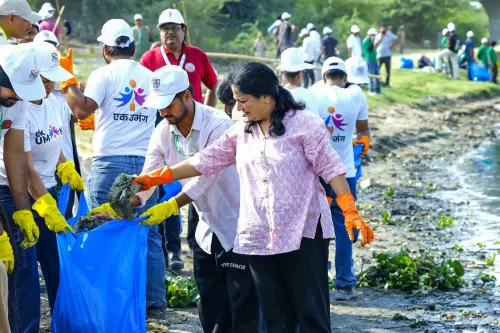
Delhi CM Rekha Gupta has put ₹1 crore on the table — literally — as prize money for the city's cleanest ward, launching the 'Delhi Ko Kude Se Azadi-Swachhta Abhiyan 2026' on 17 August. Running through Gandhi Jayanti, the campaign is the BJP-led government's most structured push yet to dismantle Delhi's garbage mountains and make hygiene a citizen habit, not just a government directive.
Key Takeaways
Delhi CM Rekha Gupta launched 'Delhi Ko Kude Se Azadi-Swachhta Abhiyan 2026' on 17 August 2026 at the MCD headquarters .
The campaign runs across the capital through 2 October 2026 (Gandhi Jayanti).
Civic wards will compete for a ₹1 crore prize based on cleanliness performance.
Goals include scientific waste management, cleaner public spaces, and wider citizen participation.
Union Minister Harsh Malhotra , Urban Development Minister Ashish Sood , and Delhi Mayor Pravesh Wahi attended the launch.
CM Gupta cited Delhi's garbage mountains as a key problem the campaign aims to address, alongside MCD financial strengthening.
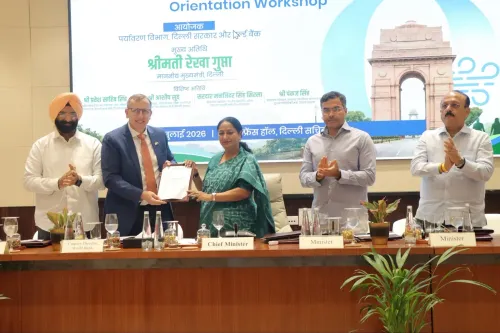
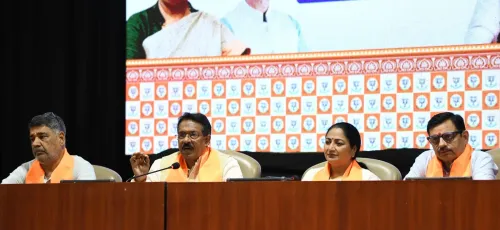
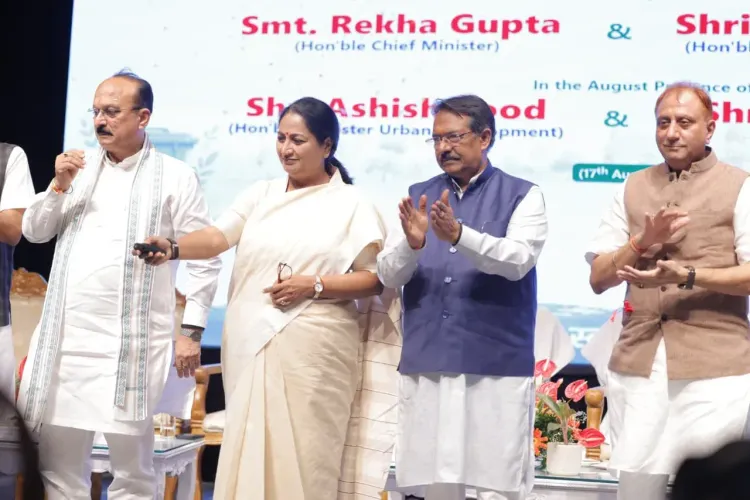
Delhi Chief Minister Rekha Gupta on Monday, 17 August 2026, formally launched the 'Delhi Ko Kude Se Azadi-Swachhta Abhiyan 2026' at the Kedarnath Sahni Auditorium inside the Municipal Corporation of Delhi (MCD) headquarters, kicking off a city-wide cleanliness campaign that pits civic wards against each other for a ₹1 crore prize. The drive will run across the capital through 2 October 2026, coinciding with Gandhi Jayanti.
What the Campaign Covers
The Swachhta Abhiyan targets four broad goals: reinforcing Delhi's sanitation infrastructure, promoting scientific waste management, ensuring cleaner public spaces, and deepening citizen participation through awareness initiatives. A campaign brochure was released at the launch event. Chief Minister Gupta stressed that the objective goes beyond periodic cleanliness drives — the government wants hygiene to become an ingrained part of residents' daily behaviour and lifestyle.
Government departments, local bodies, market associations, Resident Welfare Associations (RWAs), educational institutions, industrial organisations, and voluntary groups will all be mobilised to give the campaign the character of a broad-based people's movement, she said.
The ₹1 Crore Ward Competition
A defining feature of the campaign is its competitive structure: individual civic wards across Delhi will be evaluated on cleanliness outcomes, with the top-performing ward eligible for ₹1 crore in prize money. The format is designed to incentivise ward-level officials and local communities to take ownership of sanitation outcomes rather than wait for top-down directives.
Key Voices at the Launch
Union Minister of State and Delhi Bharatiya Janata Party (BJP) president Harsh Malhotra, Delhi Urban Development Minister Ashish Sood, Delhi Mayor Pravesh Wahi, and Chief Whip and MLA Abhay Verma were among those present at the programme.
Malhotra drew a historical parallel, noting that Mahatma Gandhi had linked cleanliness with the freedom movement, and that Prime Minister Narendra Modi had similarly called for a national cleanliness movement in his first Independence Day address after taking office. He argued that despite initial scepticism, that campaign had evolved into a mass movement and extended dignified toilet access to crores of families across the country.
Malhotra added that the resolve behind 'Delhi Ko Kude Se Azadi' is not confined to sanitation systems alone, but is 'an effort to make cleanliness a part of people's thinking and behaviour.'
The Garbage Mountain Problem
Chief Minister Gupta acknowledged that garbage and unchecked waste accumulation remain among Delhi's most persistent civic challenges. She pointed to the city's notorious garbage mountains — a consequence of high daily waste volumes combined with inadequate processing capacity — as a problem the government is now addressing 'with full seriousness and determination.'
Strengthening the MCD's finances is a stated priority. Malhotra noted that under Gupta's leadership, the Delhi government has extended greater financial support to the civic body, enabling it to accelerate work across sanitation and allied areas.
What Comes Next
With the campaign running until Gandhi Jayanti on 2 October 2026, ward-level performance will be tracked over the coming weeks. The government has indicated that cleanliness responsibility is a shared civic obligation — not the domain of any single department — and that citizens, institutions, and local bodies will all be held accountable for outcomes. Whether the ₹1 crore incentive structure produces measurable improvements in Delhi's waste management will be closely watched.
Point of View
Not motivational. The city's landfill mountains at Ghazipur, Bhalswa, and Okhla have been 'being addressed' for years under multiple administrations. A competitive incentive works if measurement is credible and independent; without a transparent scoring framework, ward-level competition risks becoming a numbers game. The bigger test is whether MCD's financial strengthening translates into actual processing infrastructure — because no awareness campaign can substitute for sufficient waste-treatment capacity.
NationPress
17 Aug 2026
Frequently Asked Questions
What is the 'Delhi Ko Kude Se Azadi-Swachhta Abhiyan 2026'?
It is a city-wide cleanliness campaign launched by Delhi Chief Minister Rekha Gupta on 17 August 2026, running through 2 October 2026. The drive aims to improve sanitation infrastructure, promote scientific waste management, and make cleanliness a part of citizens' daily behaviour.
What is the ₹1 crore prize in the Delhi cleanliness campaign?
Civic wards across Delhi will compete against each other on cleanliness outcomes, and the best-performing ward will receive ₹1 crore in prize money. The competitive structure is designed to encourage ward-level ownership of sanitation results.
How long will the Swachhta Abhiyan 2026 run in Delhi?
The campaign runs from 17 August 2026 through 2 October 2026, concluding on Gandhi Jayanti. It covers all civic wards across the capital.
Who attended the launch of the Delhi cleanliness campaign?
Union Minister of State and Delhi BJP president Harsh Malhotra, Urban Development Minister Ashish Sood, Delhi Mayor Pravesh Wahi, and Chief Whip and MLA Abhay Verma were present at the launch at the MCD headquarters.
Why does Delhi have a garbage mountain problem?
Delhi generates a large volume of waste daily, but inadequate processing capacity has led to the accumulation of massive garbage mountains in the city. CM Rekha Gupta acknowledged this at the launch and said the government is working to resolve MCD's financial difficulties as a priority step toward fixing the problem.