Puri Joins Har Ghar Tiranga 2026 Call, Urges Flag Hoisting Aug 9-17
Synopsis
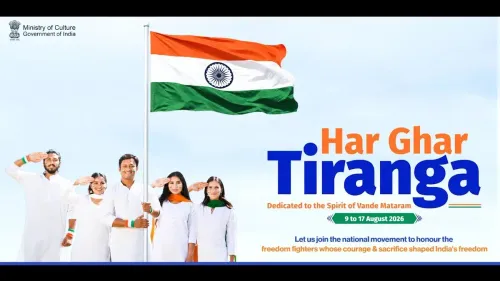
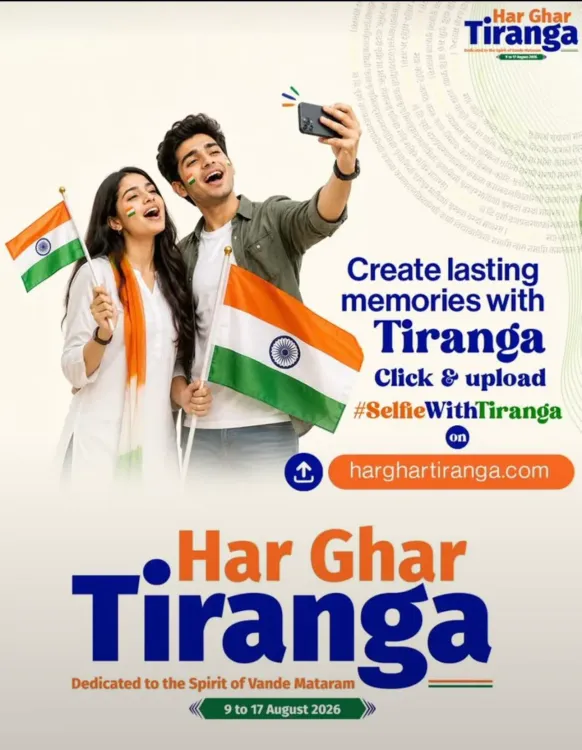
Union Petroleum Minister Hardeep Singh Puri has joined the Har Ghar Tiranga 2026 drive, urging Indians to hoist the national flag at home from 9-17 August, capture a selfie, and upload it to harghartiranga.com in a campaign now in its fourth consecutive year.
Key Takeaways
Hardeep Singh Puri posted on 9 August 2026 calling on Indians to participate in Har Ghar Tiranga 2026 .
Citizens are urged to hoist the Tricolour at home between 9 and 17 August 2026 , with Independence Day (15 August) at the centre of the window.
The campaign asks participants to upload a #SelfieWithTiranga at harghartiranga.com .
Har Ghar Tiranga was first launched in 2022 under the Azadi Ka Amrit Mahotsav to mark 75 years of Indian independence.
Puri credited the campaign to Prime Minister Narendra Modi's original call for national unity through the Tricolour.
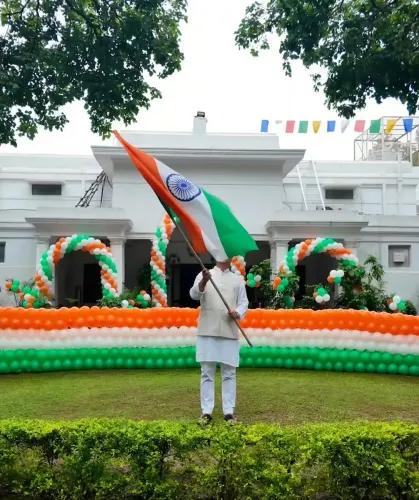
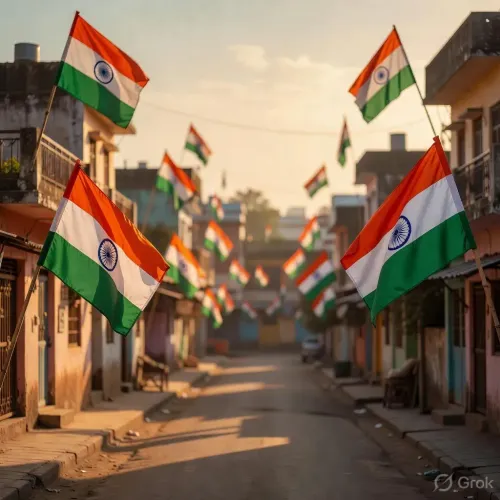
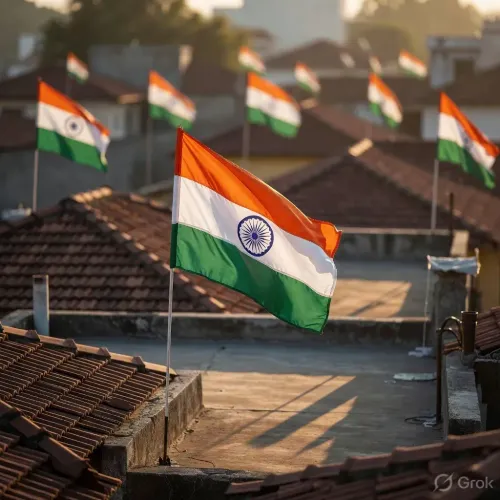
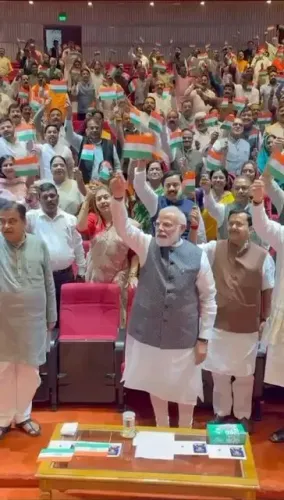
Four years after it first transformed rooftops across India into a sea of saffron, white, and green, Har Ghar Tiranga returns — and Union Petroleum Minister Hardeep Singh Puri is among the first to raise the flag for 2026. On Sunday, 9 August, Puri took to X to amplify the campaign, urging every Indian household to hoist the Tricolour from 9 to 17 August, capture a #SelfieWithTiranga, and upload it to harghartiranga.com as part of the nationwide celebration.
A Campaign Born in 2022, Now in Its Fourth Year
Har Ghar Tiranga was launched in 2022 under the Azadi Ka Amrit Mahotsav umbrella — the government's sweeping commemoration of 75 years of Indian independence. What began as a one-time symbolic push quickly became an annual fixture, asking citizens to move the national flag from government buildings and parade grounds into their own homes and hearts. The campaign fuses civic ritual with digital participation: photograph the flag, upload it, and become part of a living, scrollable record of national pride.
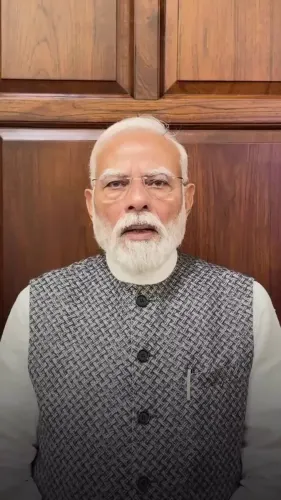
Puri framed his call squarely around Prime Minister Narendra Modi's original vision, writing that the campaign is 'inspired by the clarion call of PM Sh @narendramodi Ji.' The choice of the phrase Vande Mataram — the 19th-century patriotic hymn that became an anthem of the independence movement — grounds the digital-age campaign in a much older emotional register. Let the Tiranga flutter above every home, Puri urged, 'reminding us of the values that bind us together.'
Ministers as Amplifiers of Modi's Symbolic Campaigns
Puri's post fits a well-established pattern. Since 2022, senior BJP ministers have consistently used their social media reach to cascade the Prime Minister's cultural and patriotic messaging to wider audiences — turning a government scheme into a participatory moment that feels less like policy and more like a national event. For a former career diplomat now heading the petroleum ministry, the pivot to patriotic outreach is deliberate: these campaigns are as much about emotional cohesion as they are about civic symbolism.
The 9–17 August window is no accident. 15 August — Independence Day — sits at its centre, and the bracketing dates extend the celebration into a full week of visible national pride rather than a single-day flag-raising. The invitation to upload selfies at harghartiranga.com turns passive patriotism into measurable, shareable participation.
As the Tricolour goes up on millions of doorsteps and balconies this fortnight, the real metric will be how many Indians choose to make it personal — not just a flag on a pole, but a photograph, a post, a moment of deliberate belonging.
Point of View
Top-down cultural moment. Har Ghar Tiranga has quietly evolved from a one-off 75th-anniversary gesture into a durable annual institution, suggesting the BJP sees participatory patriotism as a reliable tool for public engagement beyond the election cycle. The digital selfie dimension is particularly telling: it makes participation visible, quantifiable, and shareable, blurring the line between civic duty and social-media behaviour. Whether that deepens genuine national sentiment or simply gamifies it is the question the campaign's critics and supporters will continue to debate.
NationPress
24 Sept 2026
Frequently Asked Questions
What is Har Ghar Tiranga 2026?
Har Ghar Tiranga 2026 is the government's annual campaign urging Indian citizens to hoist the national flag at their homes from 9 to 17 August and upload a selfie with the flag at harghartiranga.com to celebrate Independence Day.
When should I hoist the Tricolour for Har Ghar Tiranga 2026?
The campaign window runs from 9 August to 17 August 2026, with Independence Day on 15 August at the centre of the celebration period.
How do I participate in the Selfie With Tiranga campaign?
Hoist the Tricolour at your home, take a photograph with it, and upload the image to harghartiranga.com using the #SelfieWithTiranga hashtag to register your participation.
When was Har Ghar Tiranga first launched?
Har Ghar Tiranga was launched in 2022 as part of the Azadi Ka Amrit Mahotsav, the government's commemoration of 75 years of Indian independence.
Why is Hardeep Singh Puri promoting Har Ghar Tiranga?
As a senior BJP minister and member of the Union Cabinet, Puri is amplifying Prime Minister Modi's call for public participation in the campaign, which he credited directly to the Prime Minister's vision for national unity.