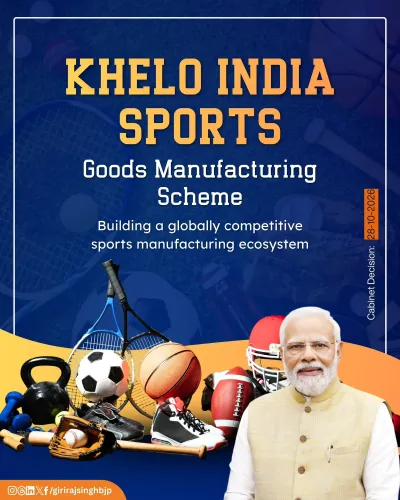
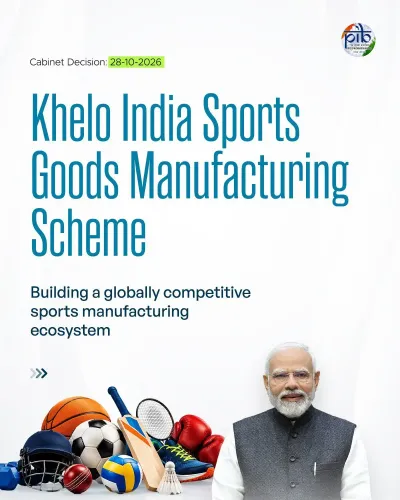
Puri: Cabinet clears ₹1,857 cr Khelo India Manufacturing Scheme
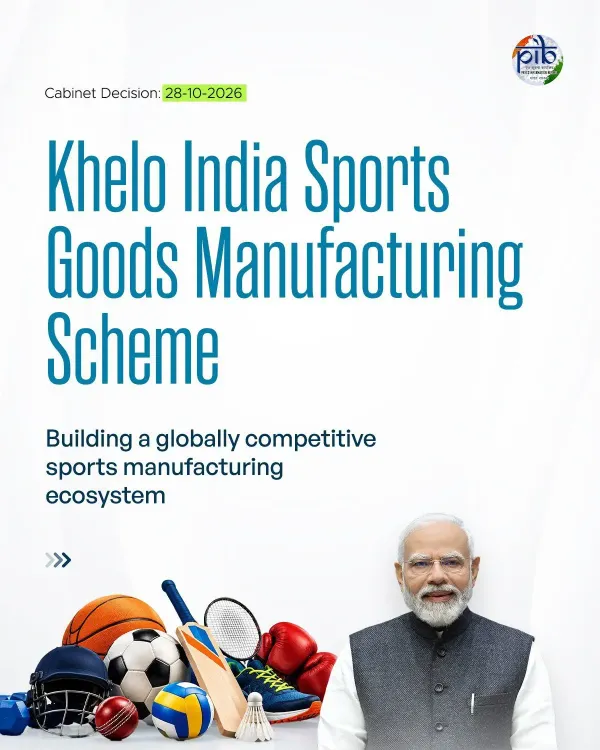
Synopsis
The Union Cabinet chaired by PM Narendra Modi has approved the Khelo India Sports Goods Manufacturing Scheme with a ₹1,856.67 crore outlay spanning 2026 to 2033-34, aiming to make India a global hub for sports equipment production and strengthen domestic MSME manufacturers.
Key Takeaways
The Union Cabinet approved the Khelo India Sports Goods Manufacturing Scheme on 28 October 2026 .
Total financial outlay stands at ₹1,856.67 crore over an eight-year operational period from 2026 to 2033-34 .
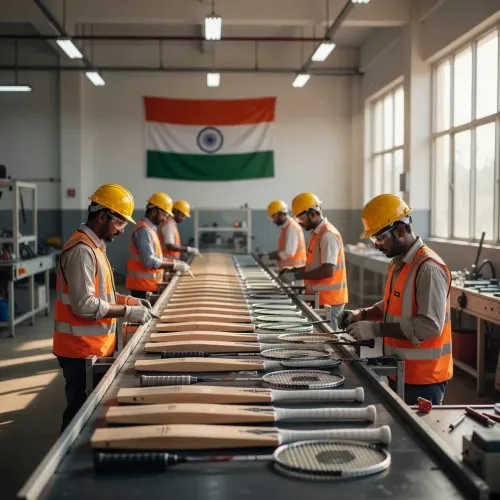
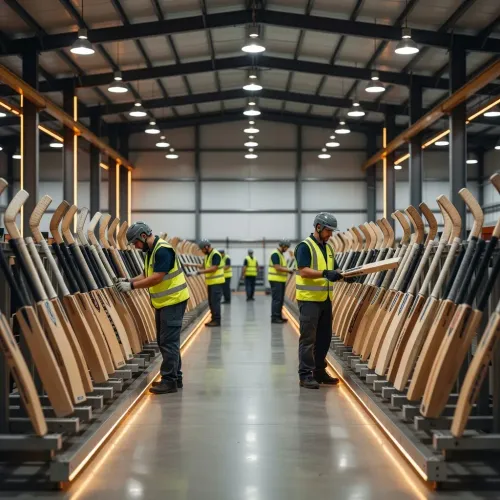
The scheme aims to position India as a global hub for sports goods manufacturing and empower indigenous industry.
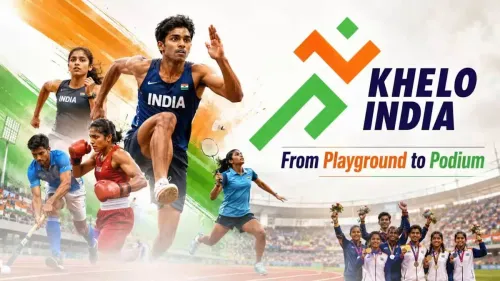
It builds on the policy lineage of Khelo India (2017) and Make in India (2014) , fusing sports promotion with industrial self-reliance.
MSME units and sports goods manufacturers are the primary beneficiaries targeted by the scheme.
Detailed implementation guidelines and cluster selection norms are expected ahead of the 2026 operational rollout.
India's sports sector and its domestic manufacturing ambitions just converged in a single cabinet decision. Union Petroleum Minister Hardeep Singh Puri announced on Wednesday, 28 October 2026 that the Union Cabinet, chaired by Prime Minister Narendra Modi, has approved the 'Khelo India Sports Goods Manufacturing Scheme' — a targeted intervention worth ₹1,856.67 crore designed to turn India into a global hub for sports equipment production.
What the cabinet approved — and why the number matters
The scheme carries a total financial outlay of ₹1,856.67 crore and will run from 2026 through 2033-34 — an eight-year runway that signals long-term institutional commitment rather than a one-budget experiment. Puri framed it as a dual-engine push: new momentum for Indian sport, and new muscle for domestic industry. The post declared the scheme a 'महत्वपूर्ण कदम' — an important step — toward empowering indigenous manufacturers and establishing India as a global centre for sports goods production.
The scale is deliberate. An outlay approaching ₹2,000 crore over eight years gives manufacturers, particularly MSME units, a credible horizon for capital investment, capacity expansion, and export orientation. Without that long-term visibility, private money tends to sit on the sidelines.
Khelo India meets Make in India — the policy lineage
Neither pillar of this scheme arrived in isolation. The Khelo India programme, launched in 2017, built a nationwide infrastructure for grassroots sports talent identification and participation. Make in India, launched in 2014, targeted domestic manufacturing across sectors to reduce import dependence. For years, those two tracks ran largely parallel — sports promotion on one side, industrial policy on the other.
This scheme is an explicit attempt to fuse them. India has long been a significant consumer of sports goods while remaining a modest exporter. Key production clusters — historically concentrated in regions like Jalandhar in Punjab — have faced competition from lower-cost manufacturing bases elsewhere. A scheme of this duration and outlay, if implemented with the cluster-development model that has worked in other sectors, could meaningfully shift that equation.
The broader policy logic mirrors the Production-Linked Incentive approach that the government has applied to electronics, pharmaceuticals, and textiles — targeted financial incentives tied to output and export benchmarks, designed to scale domestic value addition rapidly.
Atmanirbhar Bharat on the field
The cabinet's move lands within the wider Atmanirbhar Bharat (self-reliant India) framework that has governed industrial policy since 2020. Sports goods are not a headline sector in most economic analyses, but the logic of self-reliance applies with particular force here: a country that hosts mass sporting events, fields athletes at the Olympics, and runs school-level sport programmes should, by that logic, be manufacturing the equipment those programmes consume.
Detailed implementation guidelines, cluster selection criteria, and beneficiary eligibility norms are expected to emerge ahead of the 2026 operational rollout — the next concrete milestone for stakeholders watching this space.
Eight years, nearly two thousand crore rupees, and a country that wants to win medals and make the gear. The cabinet has placed its bet — now the factory floor has to deliver.
Point of View
Sub-₹2,000-crore design suggests a calibrated, PLI-style approach rather than a one-budget announcement, which is key to attracting sustained private capital in a sector historically dominated by small clusters. The timing, ahead of what could be a major international sporting cycle for India, adds strategic weight. The real test will be whether implementation guidelines deliver actionable cluster incentives or dissolve into bureaucratic delay before the 2026 launch date.
NationPress
28 Oct 2026
Frequently Asked Questions
What is the Khelo India Sports Goods Manufacturing Scheme?
It is a central government scheme approved by the Union Cabinet on 28 October 2026, with a total outlay of ₹1,856.67 crore, aimed at making India a global hub for sports equipment manufacturing and strengthening domestic producers, especially MSMEs, from 2026 to 2033-34.
How much money has the government allocated to the Khelo India Sports Goods scheme?
The total financial outlay approved by the cabinet is ₹1,856.67 crore, to be deployed over the scheme's operational period from 2026 to 2033-34.
How is this scheme different from the original Khelo India programme?
The original Khelo India programme, launched in 2017, focused on grassroots sports participation and talent identification. This new scheme specifically targets manufacturing — building domestic capacity to produce sports goods — merging the sports-promotion agenda with the Make in India and Atmanirbhar Bharat industrial policy frameworks.
Who will benefit from the Khelo India Sports Goods Manufacturing Scheme?
The primary beneficiaries are sports goods manufacturers and MSME units in India, particularly those in established production clusters who can scale output, improve quality, and compete in export markets with government support.
When will the Khelo India Sports Goods Manufacturing Scheme be implemented?
The scheme is set to become operational from 2026 and will run through 2033-34. Detailed implementation guidelines and cluster selection criteria are expected to be announced ahead of the 2026 rollout.