Puri Marks 1984 Sikh Massacre, Cites Sajjan Kumar Conviction
Synopsis
On the anniversary of the 1984 anti-Sikh violence, Union Minister Hardeep Singh Puri recalled the Delhi High Court verdict that termed the massacre a crime against humanity and sentenced Congress leader Sajjan Kumar to life imprisonment for killings in Rajnagar.
Key Takeaways
Hardeep Singh Puri posted on 1 November 2026 , the day after the anniversary of the 1984 anti-Sikh riots , calling it an unforgettable dark chapter of Indian history.
The Delhi High Court characterised the 1984 violence as a 'crime against humanity' and flagged political protection and law-enforcement failure.
Congress leader Sajjan Kumar was sentenced to life imprisonment for the murder of five people in Rajnagar in a case arising from the riots.
The riots broke out on 31 October 1984 following the assassination of Prime Minister Indira Gandhi .
The Nanavati Commission was appointed in 2000 to examine the causes of the violence and the role of authorities.
Puri used the hashtags #1984AntiSikhGenocide and #JusticeFor1984 , reflecting the BJP's sustained political framing of the issue.
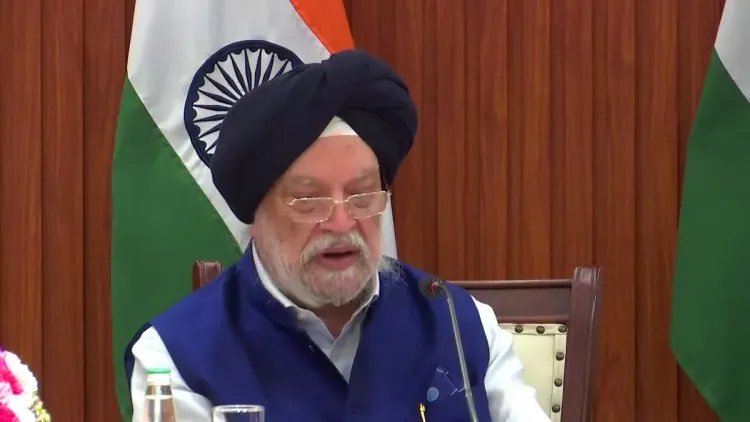
Forty-two years on, the wounds of November 1984 refuse to close — and Union Petroleum Minister Hardeep Singh Puri made sure of it on Sunday, 1 November 2026, using the anniversary of the anti-Sikh violence to remind the country of a landmark conviction that took decades to deliver.
In a post in Hindi on X, Puri called the 1984 anti-Sikh riots a 'dark chapter of Indian history that can never be forgotten' — 'भारतीय इतिहास का ऐसा काला अध्याय है, जिसे कभी भुलाया नहीं जा सकता'. He pointed to the Delhi High Court verdict that described the massacre as a 'crime against humanity' and raised pointed questions about political protection and the failure of law and order. The same ruling, he noted, sentenced Congress leader Sajjan Kumar to life imprisonment for his role in the killing of five people in Rajnagar.
What the Delhi High Court Said About 1984
The Delhi High Court's judgment in the Sajjan Kumar case stands as one of the most consequential legal outcomes from the 1984 anti-Sikh violence. The court went beyond individual culpability — it characterised the organised killing of Sikhs in Delhi and elsewhere as a crime against humanity, and it put on record the role of political patronage and systemic law-enforcement failure in allowing the carnage to continue.
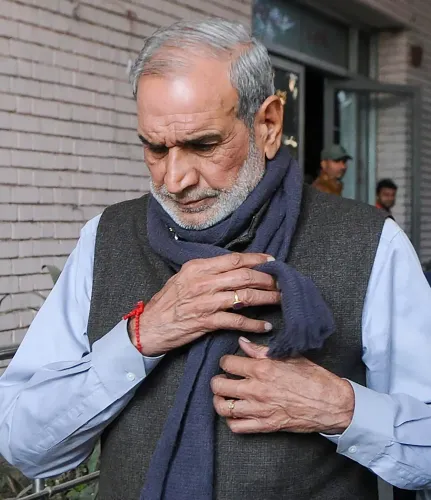
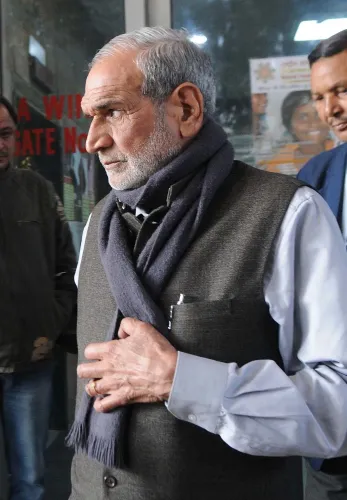
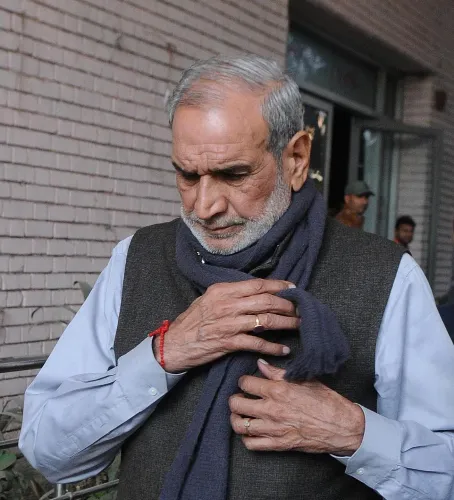
Kumar, a veteran Congress politician, was convicted for the murder of five members of a Sikh family in the Rajnagar locality. The conviction and life sentence represented a rare instance of a named political figure being held criminally accountable for the violence.
The Week that Followed Indira Gandhi's Assassination
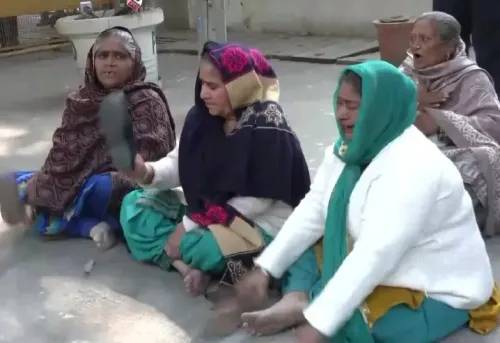
The riots ignited on 31 October 1984, within hours of Prime Minister Indira Gandhi's assassination by her Sikh bodyguards. What followed in Delhi and several other cities was widespread mob violence targeting Sikh communities — thousands were killed. The scale and the organised character of the attacks drew immediate allegations that the violence was not spontaneous but directed.
The Nanavati Commission, appointed in 2000, was among several official inquiries that examined what happened and who bore responsibility. Periodic convictions and continuing appeals have kept the legal process alive across four decades. Justice, as Puri's post acknowledged, has arrived in fragments — and late.
A BJP Minister's Political Framing on the Anniversary
Puri's choice of hashtags — #1984AntiSikhGenocide and #JusticeFor1984 — signals the political register of the post. The BJP has consistently pressed the Congress on accountability for 1984, and Puri, a senior Sikh leader in the government, has long been among its most vocal voices on the subject. His closing line carried both moral weight and a measured warning: 'Justice may take decades, but the voice of victims and the truth cannot be suppressed forever.'
With appeals in various 1984-related cases still pending, the legal reckoning he invokes is not yet complete. The anniversary, and the post, ensure it stays in the public eye.
Four decades of delayed justice are both a warning and, to the families of victims, a fragile, hard-won proof that silence is not forever.
Point of View
His voice carries a credibility on this issue that few BJP leaders can claim. The invocation of the Sajjan Kumar conviction reinforces the BJP's broader narrative that justice for 1984 only began to materialise under non-Congress governments and independent courts. With several related cases still in appeal, the post also serves as a quiet pressure point on the judiciary and on public memory ahead of any future electoral cycle where Sikh voters — particularly in Punjab and Delhi — remain a significant constituency.
NationPress
1 Nov 2026
Frequently Asked Questions
What were the 1984 anti-Sikh riots?
The 1984 anti-Sikh riots were widespread violence against Sikh communities in Delhi and other Indian cities that erupted on 31 October 1984 after the assassination of Prime Minister Indira Gandhi by her Sikh bodyguards. Thousands of Sikhs were killed in the violence over several days.
Who is Sajjan Kumar and why was he convicted?
Sajjan Kumar is a veteran Congress politician who was convicted by the Delhi High Court for the murder of five members of a Sikh family in Rajnagar during the 1984 riots . He was sentenced to life imprisonment .
What did the Delhi High Court say about the 1984 riots?
The Delhi High Court , in the Sajjan Kumar case, termed the 1984 anti-Sikh violence a 'crime against humanity' and raised serious questions about political protection and the failure of law-enforcement machinery during the riots.
Why is Hardeep Singh Puri posting about 1984?
Union Petroleum Minister Hardeep Singh Puri posted on the anniversary of the 1984 riots to mark the day and recall the landmark judicial verdict. As a senior Sikh leader in the BJP -led government, he has consistently spoken on accountability for the violence.
What is the Nanavati Commission and what did it investigate?
The Nanavati Commission was a judicial inquiry appointed in 2000 to investigate the causes of the 1984 anti-Sikh riots , the role of political figures, and the failures of authorities to protect the Sikh community during the violence.