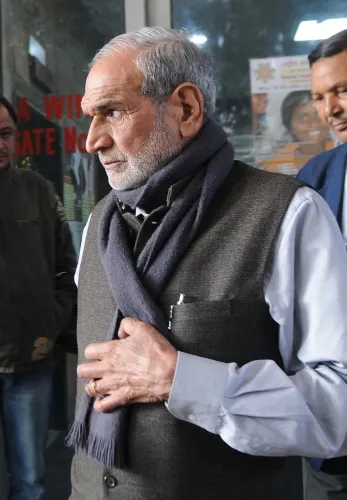
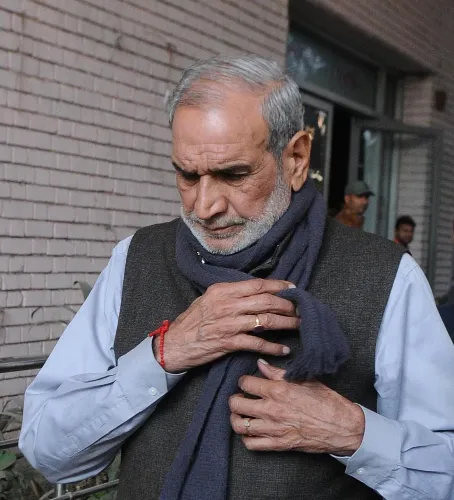
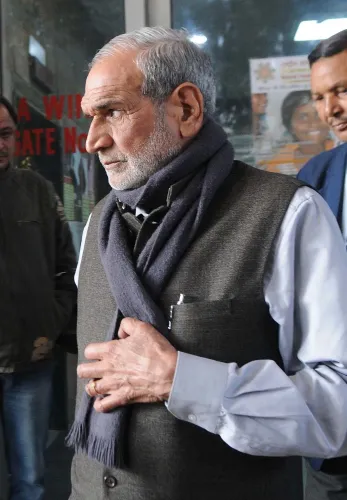
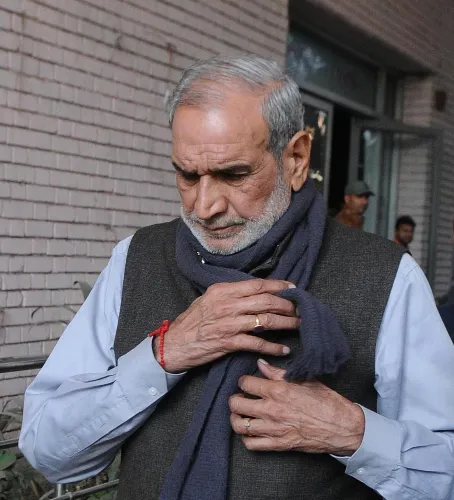
Sajjan Kumar, convicted in 1984 anti-Sikh riots, dies at 80 in Delhi
Synopsis
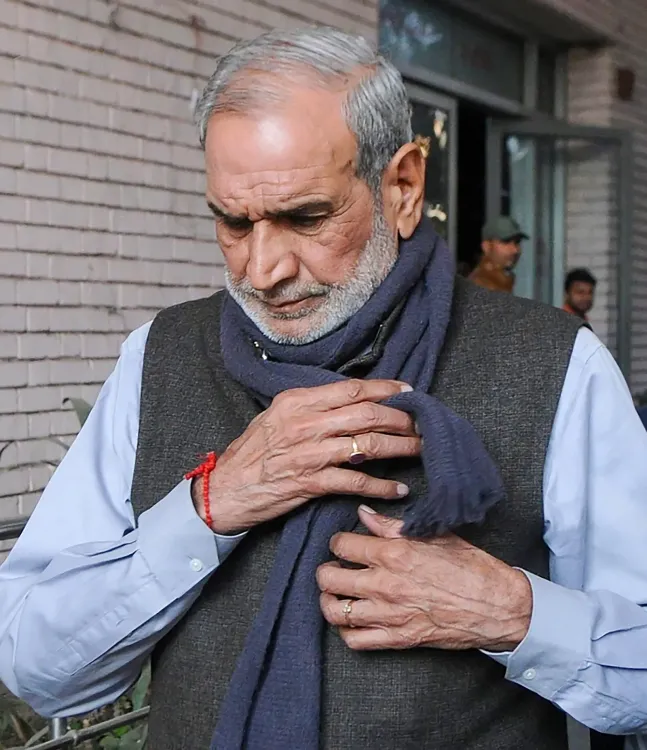
Sajjan Kumar, the former Congress MP who became one of the few senior political figures convicted for the 1984 anti-Sikh riots, died at 80 in Delhi's Safdarjung Hospital. His death closes a four-decade legal saga — but leaves his Supreme Court appeal permanently unresolved, and the broader question of accountability for 1984 still contested.
Key Takeaways
Sajjan Kumar , former Congress MP, died on 20 August at Safdarjung Hospital, New Delhi , aged 80 .
He was serving life imprisonment for his role in the 1984 anti-Sikh riots , convicted by the Delhi High Court on 17 December 2018 .
He was convicted for the killing of five Sikh men in Palam Colony and the burning of a gurdwara during violence on 1–2 November 1984 .
In February 2025 , the Rouse Avenue Court handed him a second life sentence in the Saraswati Vihar case .
He was acquitted in two separate cases relating to Janakpuri and Vikaspuri in January 2025 , but remained imprisoned under other convictions.
His appeal against conviction before the Supreme Court was pending at the time of his death.
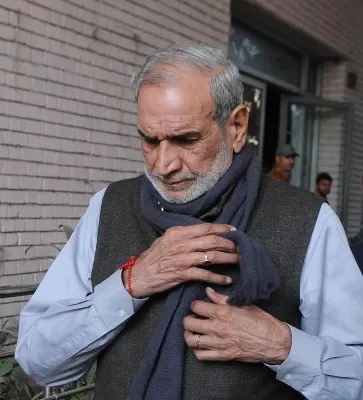
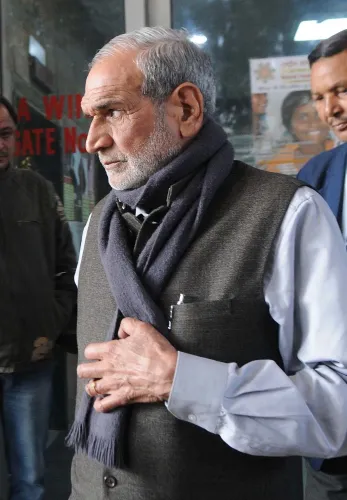
Former Congress MP Sajjan Kumar, who was serving life imprisonment for his role in the 1984 anti-Sikh riots, died on Thursday, 20 August at Safdarjung Hospital in New Delhi. He was 80. Kumar, lodged in Tihar Jail, was rushed to the hospital after his health deteriorated, and doctors declared him brought dead on arrival.
The Conviction That Defined His Final Years
Kumar had been convicted for his role in the killing of five Sikh men in Raj Nagar Part-I, Palam Colony, and the burning of a gurdwara during the widespread violence of 1 and 2 November 1984 — days that followed the assassination of then Prime Minister Indira Gandhi. The Delhi High Court, on 17 December 2018, overturned a trial court's 2013 acquittal and found Kumar guilty of criminal conspiracy and abetment. The court directed that he remain imprisoned for the remainder of his natural life, describing the 1984 anti-Sikh violence as 'crimes against humanity.'
A String of Cases and Convictions
Kumar's legal battles spanned decades and multiple cases. In January 2025, a Delhi court acquitted him in two separate matters relating to alleged incitement of violence in Janakpuri and Vikaspuri — but those acquittals did not secure his release, as he remained imprisoned under other life sentences. In February 2025, the Rouse Avenue Court handed him an additional life sentence in the Saraswati Vihar case, convicting him for his alleged involvement in a mob attack in which a father and son, Jaswant Singh and Tarundeep Singh, were reportedly burned alive. The prosecution had sought the death penalty, but the court awarded life imprisonment, citing Kumar's advanced age and deteriorating health.
Supreme Court Appeal Left Unresolved
Kumar's challenge to his 2018 conviction and life sentence remained pending before the Supreme Court at the time of his death. The apex court proceedings will now likely be rendered infructuous, closing a chapter that had kept the legal reckoning for 1984 alive in public memory for over four decades.
The Weight of 1984
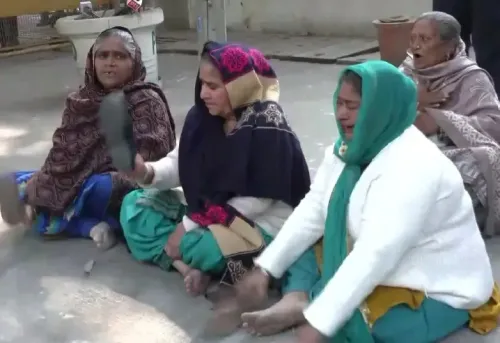
The 1984 anti-Sikh riots claimed the lives of an estimated 3,000 Sikhs across India, with Delhi witnessing the worst of the violence. Kumar's conviction — one of the few to result in a life sentence for a prominent political figure — was seen by rights groups and survivors as a rare moment of judicial accountability. Notably, his case came after decades of campaigning by riot survivors and civil society organisations, and the Delhi High Court's 2018 ruling was widely cited as a landmark in acknowledging the organised nature of the violence.
Point of View
Civil society pressure, and repeated judicial intervention before a single life sentence was handed to a figure of his political stature. The Supreme Court appeal now dies with him, leaving the 2018 Delhi High Court ruling as the final word. For survivors, the conviction mattered; the pace of justice did not. India's record on prosecuting mass-violence perpetrators with political connections remains thin, and Kumar's case — exceptional precisely because it resulted in a conviction — is a reminder of how much accountability was never delivered.
NationPress
5 Oct 2026
Frequently Asked Questions
Who was Sajjan Kumar?
Sajjan Kumar was a former Indian National Congress MP who was convicted for his role in the 1984 anti-Sikh riots in Delhi. He was serving multiple life sentences at the time of his death on 20 August, aged 80.
What was Sajjan Kumar convicted for?
He was convicted by the Delhi High Court in December 2018 for criminal conspiracy and abetment in the killing of five Sikh men in Palam Colony and the burning of a gurdwara during the 1984 anti-Sikh riots. In February 2025, he received a second life sentence in the Saraswati Vihar case for his alleged role in a mob attack in which a father and son were reportedly burned alive.
Why was Sajjan Kumar not released despite some acquittals?
In January 2025, a Delhi court acquitted Kumar in two cases related to alleged violence in Janakpuri and Vikaspuri. However, those acquittals did not lead to his release because he continued to serve life sentences in other connected cases.
What happens to his Supreme Court appeal now?
Kumar had challenged his 2018 conviction and life sentence before the Supreme Court, and that appeal was still pending at the time of his death. With his passing, the appeal is expected to be rendered infructuous, leaving the Delhi High Court's conviction as the final legal verdict.
What was the significance of the 1984 anti-Sikh riots?
The 1984 anti-Sikh riots followed the assassination of Prime Minister Indira Gandhi and claimed an estimated 3,000 Sikh lives across India, with Delhi worst affected. The Delhi High Court described the violence as 'crimes against humanity' in its 2018 judgment convicting Kumar — one of the few senior political figures to receive a life sentence for the events.