Puri pays tribute to Jana Sangh founder Shyama Prasad Mookerjee
Synopsis
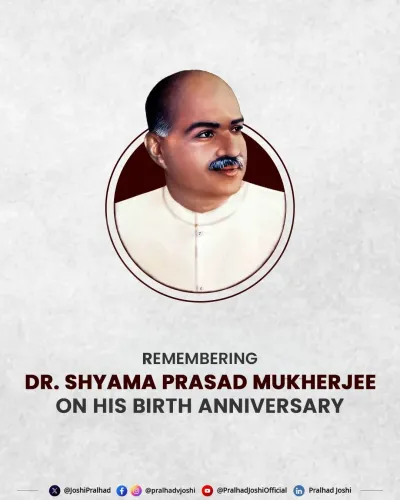
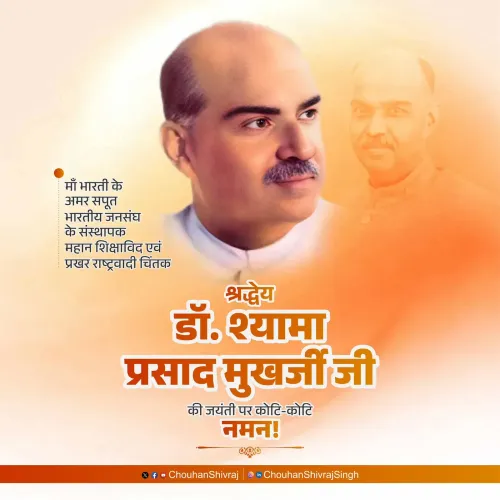
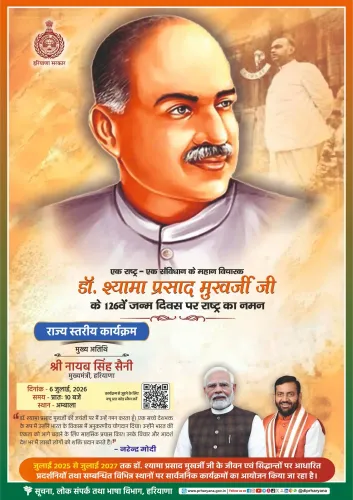
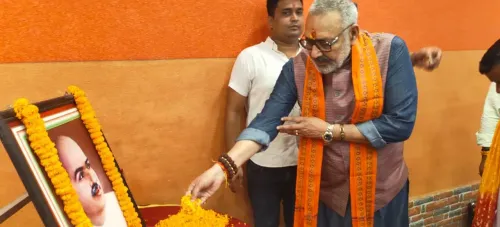
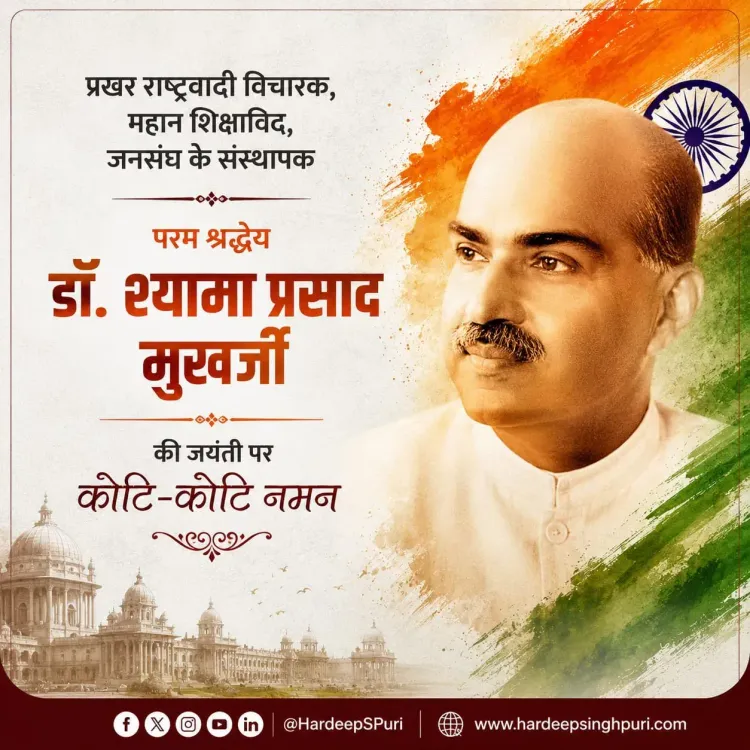
Union Petroleum Minister Hardeep Singh Puri on 6 July 2026 paid tribute to Bharatiya Jana Sangh founder Dr. Shyama Prasad Mookerjee on his birth anniversary, invoking his iconic slogan against dual constitutional status and calling his sacrifice for national integration an enduring inspiration.
Key Takeaways
Union Petroleum Minister Hardeep Singh Puri posted a tribute to Dr.
Shyama Prasad Mookerjee on his birth anniversary, 6 July 2026 .
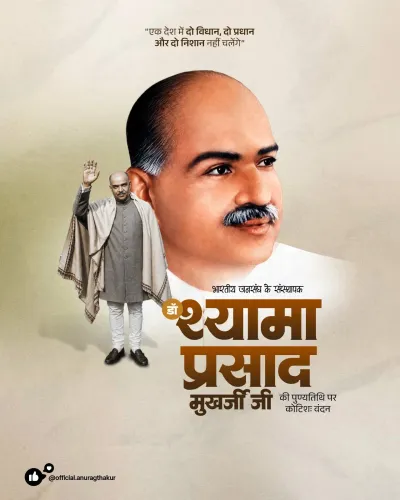
Puri quoted Mookerjee's defining slogan opposing two constitutions, two heads of state, and two flags within one country.
Mookerjee founded the Bharatiya Jana Sangh in 1951 , the direct ideological precursor to the BJP .
Mookerjee died in detention in Srinagar in 1953 while protesting the permit system under Article 370 .
Article 370 was abrogated by Parliament in August 2019 , an act BJP leaders frame as the fulfilment of Mookerjee's vision.
Annual tributes form part of the BJP 's recurring messaging on national integration and constitutional uniformity.
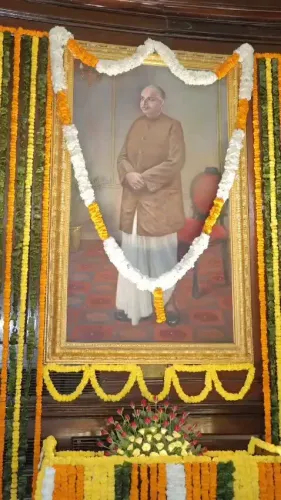
Union Petroleum Minister Hardeep Singh Puri on Monday, 6 July 2026, paid tribute to Dr. Shyama Prasad Mookerjee, founder president of the Bharatiya Jana Sangh, on the occasion of his birth anniversary, honouring his lifelong sacrifice for national integration and constitutional uniformity.
Posting on X, Puri invoked Mookerjee's defining slogan — 'Ek desh mein do vidhaan, do pradhaan, do nishaan, nahin chalenge' ('In one country, two constitutions, two heads of state, two national emblems cannot be allowed') — and described him as a leader who dedicated his entire life selflessly to the service of the nation and society. 'He sacrificed his life to protect the honour and pride of the motherland,' Puri wrote, calling Mookerjee's supreme sacrifice and his commitment to an undivided India an enduring source of inspiration.
Context
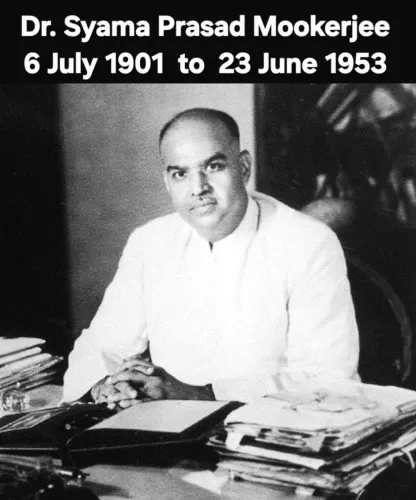
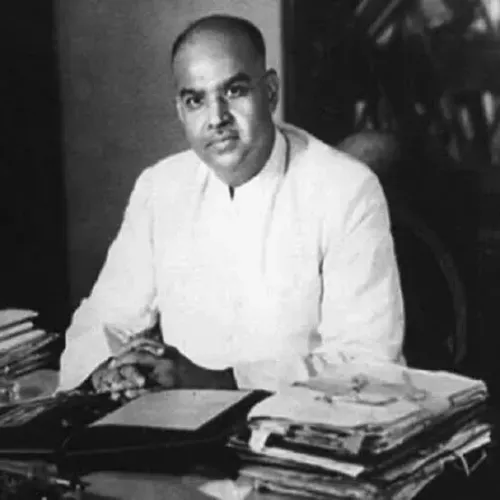
Dr. Shyama Prasad Mookerjee was born on 6 July 1901 and founded the Bharatiya Jana Sangh in 1951 as a platform for integral nationalism. He became the most prominent political voice opposing Article 370, the constitutional provision that granted special status to Jammu and Kashmir and effectively required a separate permit for Indian citizens to enter the state. Mookerjee defied the permit system in 1953, was detained in Srinagar, and died in custody in June of that year under circumstances that remain a point of political contestation.
His slogan of 'one country, one constitution, one flag' became a rallying cry against what he and his supporters viewed as a two-tier citizenship arrangement within the Indian Union. The Bharatiya Jana Sangh later merged into the Janata Party in 1977 and is widely regarded as the ideological and organisational precursor to the Bharatiya Janata Party.
Policy Backdrop
The tribute arrives in the context of a landmark policy decision that Mookerjee's supporters regard as the fulfilment of his life's mission: the abrogation of Article 370 by Parliament in August 2019, which ended Jammu and Kashmir's special constitutional status and bifurcated the state into two Union Territories. BJP leaders, including senior ministers, have consistently framed the 2019 decision as a realisation of Mookerjee's vision of constitutional uniformity across India.
Puri's post follows a well-established pattern in which BJP functionaries and Union ministers mark both Mookerjee's birth anniversary on 6 July and his death anniversary in June with formal tributes that simultaneously reinforce the party's ideological lineage and its record in government on the question of national integration.
Stakeholders and Impact
BJP workers and party cadre across India observe Mookerjee's birth anniversary as a significant date in the party calendar, with events held at state and district levels. Residents of Jammu and Kashmir, who have lived through the constitutional transformation of 2019, remain the most directly affected stakeholders in the broader policy debate that Mookerjee's legacy animates.
For the wider public, the annual commemorations serve as a reminder of the ideological continuity the BJP claims between its founding intellectual tradition and its decisions in government. Mookerjee's name is also invoked in academic and civil-society discussions about federalism, special provisions, and the nature of Indian constitutional identity.
What's Next
Tributes from other senior BJP leaders and Union ministers are expected through the day as the party marks the birth anniversary with programmes at its headquarters and state units. The annual commemoration is likely to be accompanied by messaging that draws a direct line from Mookerjee's campaign against Article 370 to the 2019 abrogation, reinforcing the BJP's narrative of having completed an unfinished constitutional agenda. As Jammu and Kashmir continues its transition as a Union Territory, Mookerjee's legacy will remain a live reference point in debates over statehood restoration and regional governance.
Point of View
One constitution' slogan, senior BJP ministers reinforce the ideological thread connecting the Jana Sangh's founding mission to the 2019 abrogation of Article 370. The annual commemoration functions as both a party-building exercise and a soft reiteration of the BJP's most consequential constitutional achievement in government. With Jammu and Kashmir's statehood question still unresolved, invoking Mookerjee keeps the party's nationalist credentials visible without requiring fresh policy announcements. The tribute also signals to the cadre that the ideological lineage — from Mookerjee to the present dispensation — remains the BJP's core self-definition.
NationPress
6 Jul 2026
Frequently Asked Questions
Who was Dr. Shyama Prasad Mookerjee?
Dr. Shyama Prasad Mookerjee was the founder president of the Bharatiya Jana Sangh, born on 6 July 1901. He was a prominent advocate of constitutional uniformity across India and led the campaign against Article 370, dying in detention in Srinagar in 1953.
Why is Shyama Prasad Mookerjee remembered by the BJP?
The BJP regards Mookerjee as its ideological forefather because the Bharatiya Jana Sangh he founded in 1951 is the direct precursor to the BJP. His campaign against Article 370 and his slogan of 'one country, one constitution' are central to the party's narrative on national integration.
What does the slogan 'Ek desh mein do vidhaan' mean?
The slogan translates as 'In one country, two constitutions, two heads of state, two national emblems cannot be allowed.' Mookerjee coined it to oppose the special constitutional status granted to Jammu and Kashmir under Article 370, which he argued created an unequal citizenship arrangement.
What happened to Article 370?
Article 370 was abrogated by the Indian Parliament in August 2019, ending Jammu and Kashmir's special constitutional status. The BJP and its leaders have described the move as the fulfilment of Mookerjee's lifelong political mission.
Why did Hardeep Singh Puri post this tribute?
Hardeep Singh Puri posted the tribute to mark the birth anniversary of Dr. Shyama Prasad Mookerjee on 6 July 2026. Senior BJP leaders and Union ministers routinely commemorate Mookerjee on this date as part of the party's annual calendar of ideological observances.