Chirag Paswan Signals LJP(RV) Push Into Uttar Pradesh
Synopsis
Union Minister Chirag Paswan has sounded a 'shankhnad' for LJP(Ram Vilas) in Uttar Pradesh, vowing full-scale party expansion ahead of the 2027 assembly elections and invoking the inclusive legacy of founder Ram Vilas Paswan to mobilise a new electorate.
Key Takeaways
Chirag Paswan announced an organisational expansion drive for LJP(Ram Vilas) in Uttar Pradesh on 6 July 2026 .
The drive is framed as a 'shankhnad' (conch-call) timed to Ram Vilas Paswan Jayanti 2026 observances.
LJP(Ram Vilas) was formed after the 2021 split in the original LJP; Chirag Paswan retained NDA ties.
Uttar Pradesh contributes 80 Lok Sabha seats , making it critical for any national political alliance.
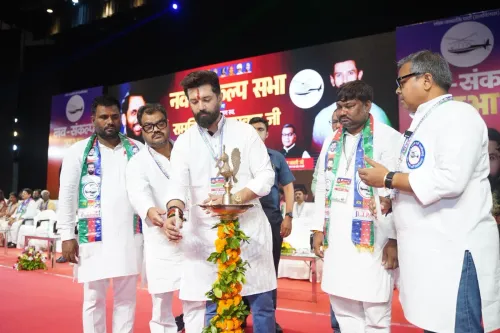
The campaign hashtag #NavSankalp signals a structured, ongoing effort rather than a single event.
Formal candidate or alliance announcements ahead of the 2027 UP assembly elections are the key development to watch.
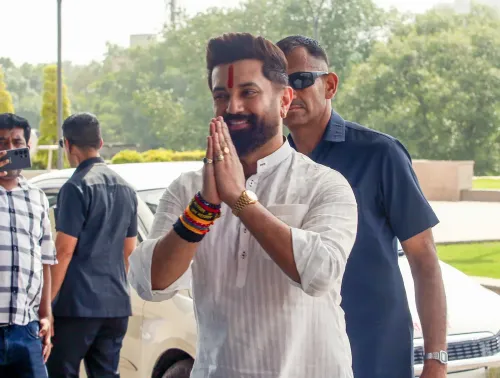
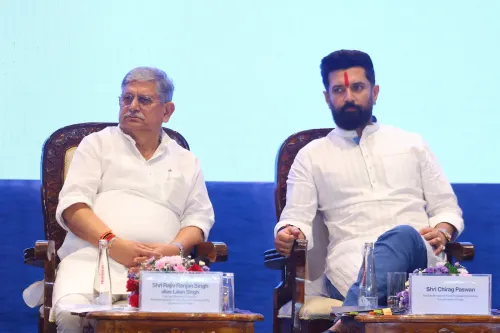
Union Food Processing Minister Chirag Paswan on Monday, 6 July 2026, declared a major organisational drive by the Lok Janshakti Party (Ram Vilas) in Uttar Pradesh, announcing the party's intent to expand its footprint in India's most populous state ahead of the 2027 assembly elections.
Context
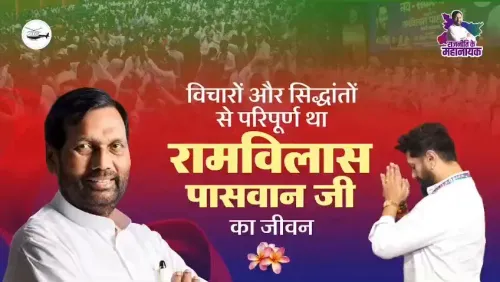
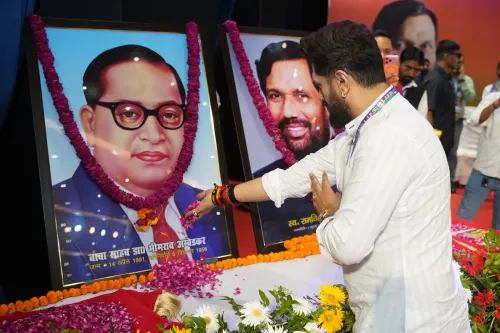
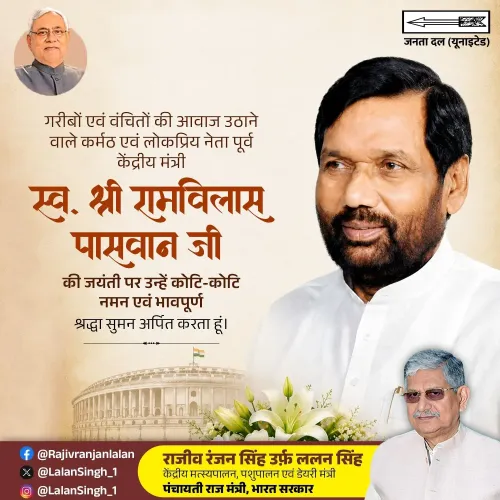
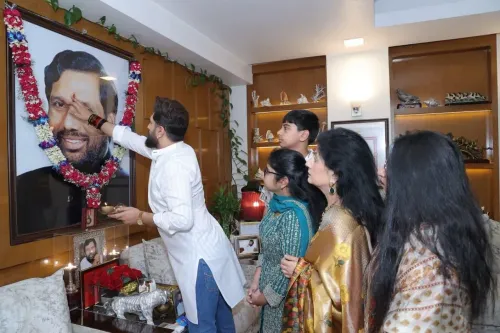
Posting on X, Chirag Paswan described the push as a 'shankhnad' — a war-conch call signalling a decisive beginning — framing it as a mission to carry his father's vision to every corner of the country. In his words: 'We are reaching every corner of the nation with the thoughts and inclusive outlook of my revered leader Ram Vilas Paswan ji. With the trust and fresh energy of the people of Uttar Pradesh, we are fully prepared for the party's expansion.' The post was accompanied by a video and carried hashtags including #RamVilasPaswanJayanti2026 and #NavSankalp (new resolve), indicating the drive is timed to coincide with the founder's birth anniversary observances.
Policy Backdrop
Ram Vilas Paswan founded the Lok Janshakti Party in 2000 to champion Dalit and Mahadalit interests, building its base primarily in Bihar. After his death in October 2020, Chirag Paswan inherited the party presidency and, following a bitter split in 2021, retained the LJP(Ram Vilas) faction along with its ties to the National Democratic Alliance. The party has since pursued a strategy of gradual geographic expansion beyond Bihar, with Uttar Pradesh — home to a significant Dalit electorate — representing the most consequential target.
Smaller NDA allies routinely undertake such state-level expansion drives ahead of assembly polls to strengthen their bargaining position for seat-sharing and ministerial berths. Chirag Paswan's explicit invocation of his father's 'inclusive thinking' is a deliberate attempt to transpose the emotional and ideological capital of the Ram Vilas legacy onto a new electorate.
Stakeholders and Impact
Uttar Pradesh sends 80 members to the Lok Sabha, making it the single largest contributor to any national majority. For LJP(RV), even a modest organisational presence there could translate into meaningful leverage in future seat-allocation talks within the NDA. Party workers on the ground in UP are the immediate beneficiaries of this renewed central attention and resources.
For the broader Dalit political ecosystem in UP, the entry of a well-resourced Bihar-origin Dalit party introduces a new variable. Existing parties that draw from similar vote banks will be watching the pace of LJP(RV)'s grassroots mobilisation closely.
What's Next
The 2027 Uttar Pradesh assembly elections are the logical horizon for this expansion effort. Analysts will watch for formal announcements of district-level organisational appointments, rally schedules, and any seat-sharing signals between LJP(RV) and its NDA partners in the state. The #NavSankalp framing suggests a structured campaign rather than a one-off event, though the precise scale and outcomes of the current drive remain to be seen. How the party translates this momentum into electoral infrastructure over the coming months will determine whether the 'shankhnad' becomes a lasting presence or a symbolic gesture.
Point of View
He simultaneously builds emotional legitimacy and tests the party's organisational depth outside Bihar. For a smaller NDA ally, a credible UP footprint is the most effective currency in pre-election seat-sharing negotiations. The timing — more than a year before the 2027 assembly polls — gives LJP(RV) space to fail quietly and recalibrate, while any success would dramatically alter its weight within the alliance. Whether the party can convert symbolic momentum into booth-level infrastructure will be the real measure of this ambition.
NationPress
6 Jul 2026
Frequently Asked Questions
Why is Chirag Paswan expanding LJP into Uttar Pradesh?
Chirag Paswan is expanding LJP(Ram Vilas) into Uttar Pradesh to build the party's national footprint ahead of the 2027 assembly elections and to strengthen its bargaining position for seats within the NDA alliance.
What is the LJP Ram Vilas party?
LJP(Ram Vilas) is the faction of the Lok Janshakti Party led by Chirag Paswan, formed after a 2021 split in the original party founded by his father Ram Vilas Paswan in 2000. It remains an NDA ally.
Who was Ram Vilas Paswan?
Ram Vilas Paswan was the founder of the Lok Janshakti Party, a multiple-term Union Minister, and a prominent Dalit political leader from Bihar. He passed away in October 2020.
What does 'shankhnad' mean in Indian politics?
'Shankhnad' literally means the blowing of a conch shell, a traditional symbol of a decisive call to action. In political usage, it signals the formal launch of a major campaign or organisational drive.
When are the next Uttar Pradesh assembly elections?
The next Uttar Pradesh assembly elections are scheduled for 2027, making the state a key focus for parties building organisational strength in the current period.