Rajasthan Police arrest Pune man in ₹5.30 crore WhatsApp impersonation fraud

Synopsis
A Pune labourer allegedly helped cyber fraudsters impersonate a mining company's chairman on WhatsApp, enabling a ₹5.30 crore transfer from an unsuspecting accountant. The case exposes how freely available profile photos and social engineering can crack even corporate financial controls — and how a fake firm with a ₹50 crore credit limit became the laundry machine.
Key Takeaways
Rajasthan Police Cyber Crime Branch arrested Rahul Ashok (32) of Pune in connection with a ₹5.30 crore corporate cyber fraud.
Fraudsters impersonated the chairman of Galaxy Mining Private Limited on WhatsApp using his publicly available photograph to deceive an authorised accountant.
The complaint was filed on 27 April 2026 via the national cybercrime helpline 1930 .
The accused allegedly registered a fictitious firm with forged documents; the fake firm's account was fraudulently granted a ₹50 crore credit limit.
Funds were moved through layering across multiple accounts; police are probing possible bank official complicity .
Alleged kingpin Amit Singh of Pune remains at large; investigation is ongoing.
The Rajasthan Police Cyber Crime Branch has arrested a Pune-based accused in connection with an interstate cyber fraud that cost a corporate firm ₹5.30 crore, after fraudsters impersonated the company's chairman on WhatsApp to dupe an authorised accountant into transferring funds. The arrest marks a significant breakthrough in a case first reported on 27 April 2026 through the national cybercrime helpline 1930.
How the Fraud Was Executed
According to Additional Director General of Police (Cyber Crime) Vijay Kumar Singh, the fraudsters obtained the profile photograph and publicly available details of Deependra Singh Rathore, chairman of Galaxy Mining Private Limited, to create a fake WhatsApp account impersonating him. Posing as the chairman, they contacted the company's accountant — who held transaction authority — from an unknown number and instructed him to urgently transfer funds to two specified bank accounts.
Trusting the familiar name and display picture, the accountant transferred ₹5.30 crore via online banking without raising suspicion. Investigators described the method as a sophisticated social engineering technique, where the fraudsters exploited publicly accessible digital identity cues to manufacture credibility.
The Accused and His Role
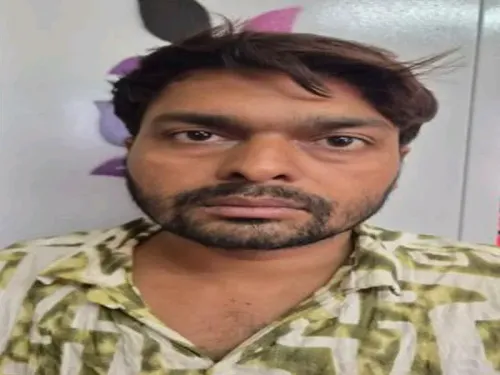
A special investigation team, constituted under DIG (Cyber Crime) Shantanu Kumar Singh and supervised by SP Sumit Mehrada, traced the accused through technical analysis of bank accounts, mobile numbers, and digital transaction trails. The suspect was identified as Rahul Ashok (32), a resident of Pune district, Maharashtra.
With assistance from the Maharashtra Police, the team apprehended Rahul in Pune, secured a transit remand from the local court, and brought him to Jaipur for further questioning. During interrogation, he allegedly confessed to supplying bank accounts to the cybercrime syndicate in exchange for commissions and helping move illicit funds.
The Financial Architecture of the Fraud
Preliminary investigation revealed that Rahul, a daily-wage labourer, allegedly registered a fictitious firm using forged documents at the direction of an individual identified as Amit Singh, based in Pune. A current account opened in the name of this fake firm was reportedly granted a fraudulent credit limit of ₹50 crore, and the ₹5.30 crore fraud proceeds were routed through it.
Investigators allege that Rahul opened three additional bank accounts for the syndicate. Once funds were credited, they were rapidly moved through multiple accounts — a technique known as 'layering' — to obscure the money trail. Investigators are also examining whether any bank officials were complicit in facilitating the opening of these fraudulent accounts.
Investigation Status and What Comes Next
The special investigation team from the State Cyber Crime Police Station, Jaipur, was led by DSP Gajendra Sharma, with Police Inspector Mukesh, Constable Amit Kumar, and Constable Jaisingh playing key operational roles. Police are continuing to analyse digital evidence — including additional bank accounts and mobile numbers — to identify and apprehend other syndicate members, including the alleged kingpin Amit Singh.
Point of View
No hacking, just a stolen profile photo and a believable WhatsApp display name. The real vulnerability here is procedural: a single-channel, unverified instruction should never authorise a ₹5.30 crore transfer, yet it did. The alleged ₹50 crore credit limit on a fictitious firm's current account is the detail that demands the most scrutiny — it points to a potential systemic failure in bank KYC and credit underwriting that regulators cannot ignore. Until financial institutions are held accountable for enabling layering infrastructure, arrests of foot soldiers like Rahul will not dismantle the syndicate.
NationPress
8 Jul 2026
Frequently Asked Questions
How did the ₹5.30 crore WhatsApp fraud in Rajasthan work?
Fraudsters used the chairman of Galaxy Mining Private Limited's profile photograph and name to create a fake WhatsApp account and instructed the company's authorised accountant to urgently transfer ₹5.30 crore to two bank accounts. The accountant, recognising his employer's name and photo, complied without verification.
Who was arrested in the Rajasthan cyber fraud case?
Rahul Ashok (32), a daily-wage labourer and resident of Pune district, Maharashtra, was arrested by the Rajasthan Police Cyber Crime Branch with assistance from the Maharashtra Police. He allegedly supplied bank accounts to the syndicate and helped move illicit funds in exchange for commissions.
What is 'layering' in the context of cyber fraud?
Layering is a money-laundering technique where stolen funds are rapidly transferred through multiple bank accounts to obscure their origin and make them harder to trace. In this case, the ₹5.30 crore was moved across several accounts as soon as it was credited to the fraudulent firm's account.
Are bank officials being investigated in this case?
Investigators are examining the possible involvement of bank officials in facilitating the opening of the fraudulent accounts used in the fraud, according to police. No arrests of bank staff have been announced yet.
Who is the alleged kingpin and has he been arrested?
The alleged kingpin is identified as Amit Singh, based in Pune, who reportedly directed Rahul Ashok to register the fictitious firm. As of the latest update, Amit Singh has not been arrested; police say the investigation is ongoing.