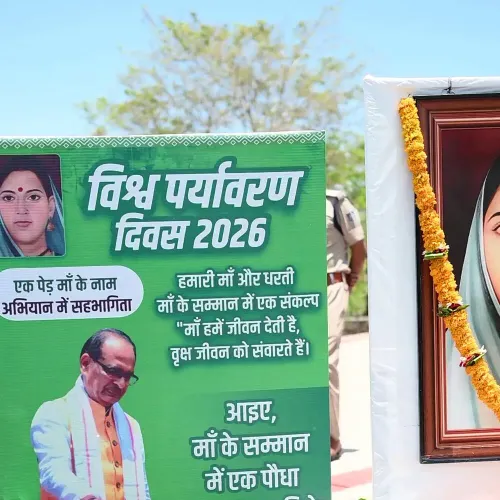
Puri plants saplings on World Environment Day, joins Ek Ped Maa Ke Naam
Synopsis
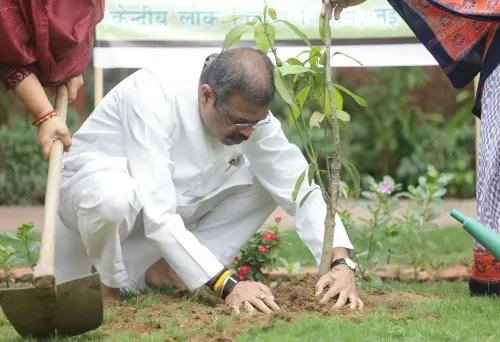
Union Petroleum Minister Hardeep Singh Puri and his wife Lakshmi planted a Mango and an Ashoka sapling on World Environment Day 2026, honouring their mothers through PM Modi's Ek Ped Maa Ke Naam afforestation campaign and invoking the Indian philosophical tradition of Vriksha Mata.
Key Takeaways
Hardeep Singh Puri and Lakshmi Puri participated in the Ek Ped Maa Ke Naam campaign on World Environment Day, 5 June 2026 .
A Mango sapling was planted in memory of Sardarni Bibi Kundan Kaur Ji (Puri's mother) and an Ashoka sapling for Smt Malati Desai Ji (his mother-in-law).
The minister cited the Sanskrit concept of Vriksha Mata and Indian folklore to frame tree planting as a civilisational and cultural duty.
The Ek Ped Maa Ke Naam initiative is part of India's broader net-zero by 2070 commitment made at COP26 in 2021 .
Puri has previously planted Rudraksh, Bel Patthar and Peepal saplings on similar occasions, indicating a sustained personal practice.
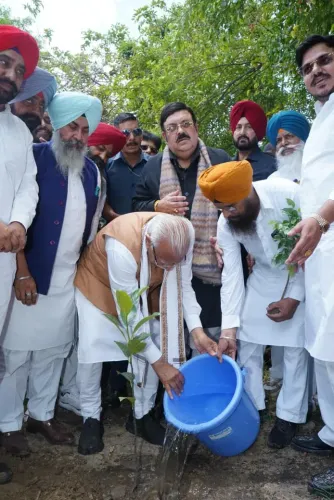
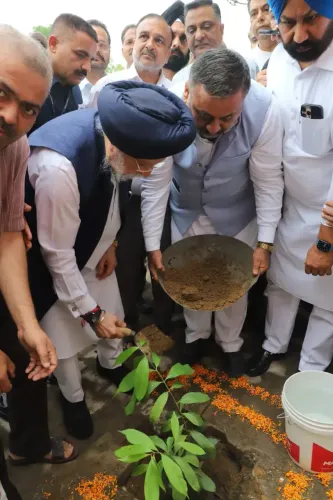
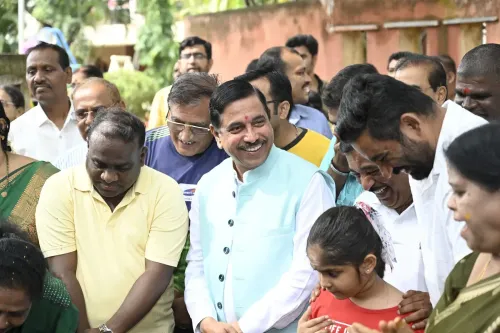
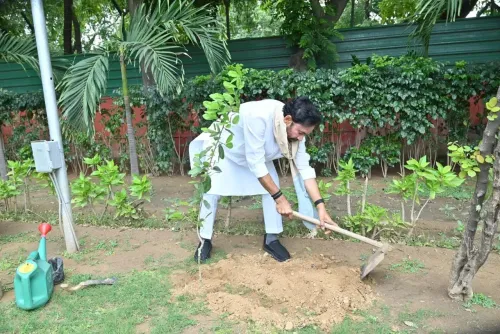
Union Petroleum Minister Hardeep Singh Puri and his wife Lakshmi Puri planted two saplings on World Environment Day, 5 June 2026, joining Prime Minister Narendra Modi's Ek Ped Maa Ke Naam (One Tree in Mother's Name) campaign to honour their mothers through afforestation.
Context
Sharing a Sanskrit verse on the selflessness of trees — 'Chhaayaam anyasya kurvanti tishtanti svayam aatape' (They give shade to others while standing themselves in the scorching sun) — Puri described trees as 'life giving' and 'central to Indian virasat, culture, civilisation and traditions.' He invoked the concept of Vriksha Mata, the philosophical tradition within Indian thought that reveres trees as maternal figures, and noted that Indian folklore has long depicted trees as animated, speaking beings.
The minister planted a Mango sapling in memory of his mother, Sardarni Bibi Kundan Kaur Ji, and an Ashoka sapling in memory of his mother-in-law, Smt Malati Desai Ji. He described both women as 'empowered, inspirational and educated' individuals who shared a 'common love for nature, gardens and environment.'
Policy Backdrop
The Ek Ped Maa Ke Naam initiative is a government-backed afforestation drive that encourages citizens to dedicate tree plantations to their mothers, weaving personal tribute into a national climate goal. The campaign is part of India's broader commitment, made at COP26 in 2021, to achieve net-zero emissions by 2070, with forest and green-cover expansion identified as a core domestic action.
Since 2014, the central government has run recurring plantation drives on World Environment Day that deliberately invoke traditional Indian reverence for trees, seeking to boost public participation by framing afforestation as both ecological necessity and civilisational duty. Puri noted that this is not his first such gesture: he has previously planted Rudraksh, Bel Patthar and Peepal saplings on similar occasions.
Stakeholders and Impact
The campaign draws in ordinary citizens, state forest departments, and public figures alike, creating a participatory model for urban and peri-urban greening. By publicly naming the saplings after specific women and invoking the idea of Matru Chhaya (a mother's protective shade), Puri's post reinforces the campaign's dual message: personal remembrance and collective environmental responsibility.
The integration of cultural motifs — Sanskrit verse, Bhartiyata, Vriksha Mata — with contemporary climate messaging reflects a deliberate communications strategy aimed at making afforestation resonate across demographic and generational lines.
What's Next
Attention will now turn to progress reports on sapling survival rates under the Ek Ped Maa Ke Naam campaign, which will determine whether the initiative translates symbolic gestures into measurable green-cover gains. Any new forest-policy announcements ahead of the next UN Climate Conference (COP) will be watched closely as India seeks to demonstrate momentum on its 2070 net-zero pledge. Puri expressed hope that the saplings planted today 'will also grow into nurturing trees that will benefit the future generations with their Matru Chhaya.'
Point of View
The BJP's senior leadership is reinforcing a broader strategy of presenting India's climate commitments as rooted in ancient civilisational values rather than imported Western frameworks. The naming of saplings after mothers of different cultural backgrounds — a Punjabi Sikh mother and a Gujarati mother-in-law — also carries a subtle pluralist signal. Whether the campaign's cultural resonance translates into verifiable green-cover gains remains the key policy question as India approaches its next international climate review.
NationPress
20 Oct 2026
Frequently Asked Questions
What is the Ek Ped Maa Ke Naam campaign?
Ek Ped Maa Ke Naam (One Tree in Mother's Name) is a government-backed tree-plantation initiative in India that encourages citizens to plant a sapling as a tribute to their mothers, linking personal remembrance with national afforestation goals.
Why did Hardeep Singh Puri plant trees on World Environment Day 2026?
Puri planted a Mango and an Ashoka sapling on 5 June 2026 in response to PM Modi's call to join the Ek Ped Maa Ke Naam campaign, dedicating the saplings to his mother and mother-in-law respectively.
What is Vriksha Mata in Indian tradition?
Vriksha Mata, meaning 'Tree Mother,' is a concept in Indian philosophy that reveres trees as maternal figures who selflessly nurture all living beings, paralleling the role of a mother in sustaining life.
What is India's net-zero emissions target?
India announced at COP26 in 2021 a long-term target of achieving net-zero carbon emissions by 2070, with afforestation and green-cover expansion identified as key domestic actions toward that goal.
What trees has Hardeep Puri planted on previous environment occasions?
According to his post, Puri has previously planted Rudraksh, Bel Patthar, and Peepal saplings on occasions similar to World Environment Day as part of recurring environmental observances.