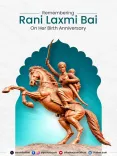
Puri pays tribute to Rani Lakshmi Bai on her Jayanti
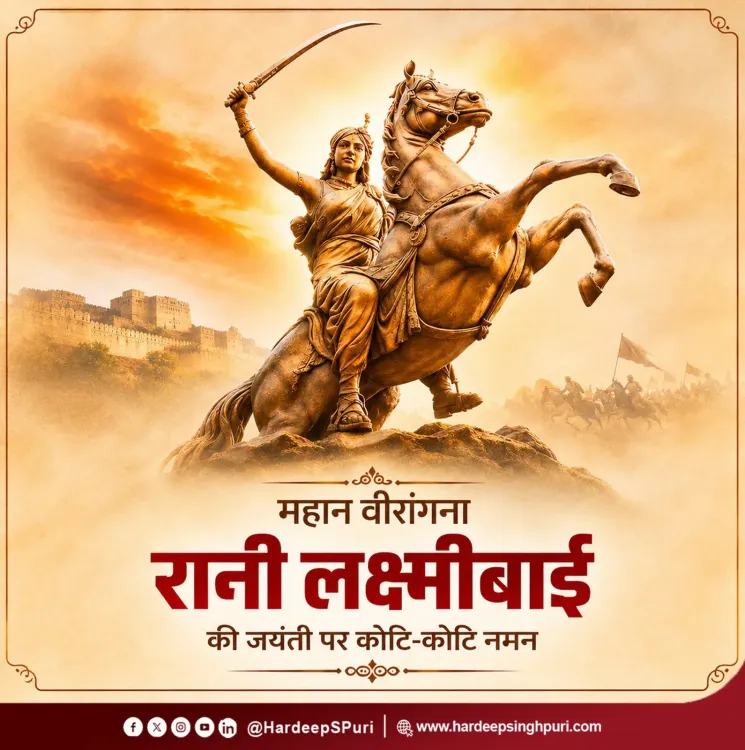
Synopsis
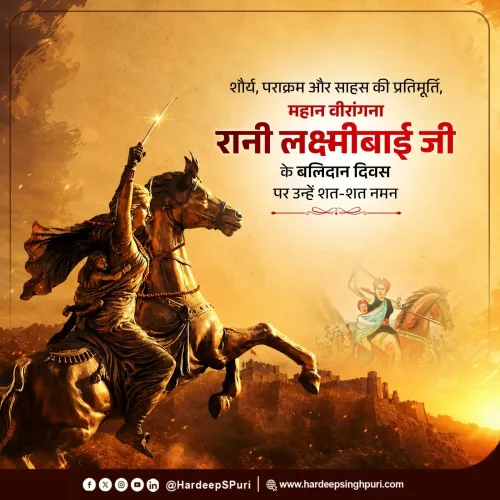
Union Petroleum Minister Hardeep Singh Puri marked Rani Lakshmi Bai's Jayanti with a tribute on X, celebrating the 1857 warrior queen of Jhansi as an enduring icon of Indian womanhood and Nari Shakti.
Key Takeaways
Union Petroleum Minister Hardeep Singh Puri posted a Jayanti tribute to Rani Lakshmi Bai on 19 November 2026 .
The minister invoked the hashtag #NariShakti , connecting the 1857 queen's legacy to present-day women's empowerment.
Rani Lakshmi Bai , Queen of Jhansi , led armed resistance against British forces during the 1857 Indian Rebellion .
Puri described her 'indomitable spirit, courage and determination' as part of India's national folklore that 'continues to inspire generations.' Tributes to 1857-era figures on birth anniversaries are a consistent practice among Indian political leaders across party lines.
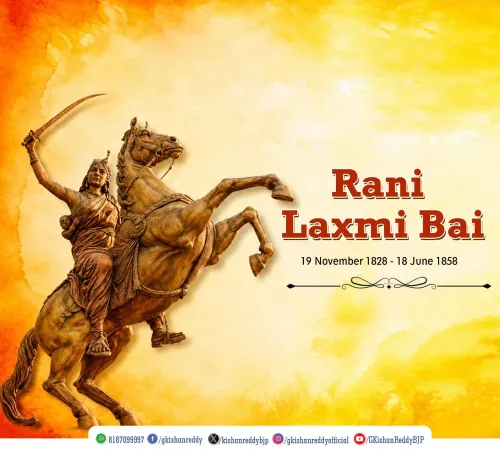
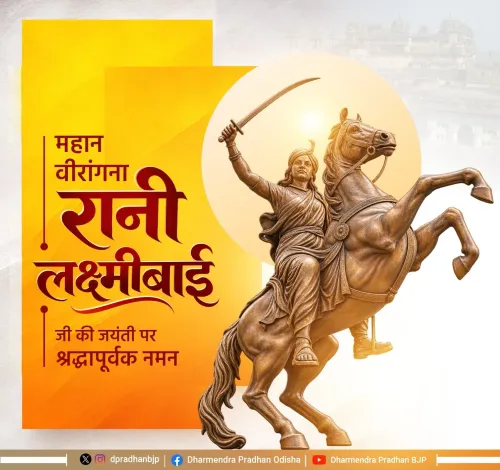
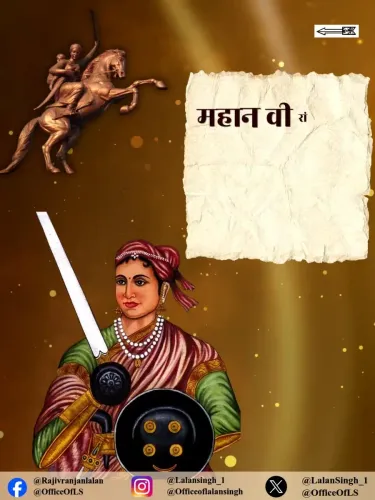
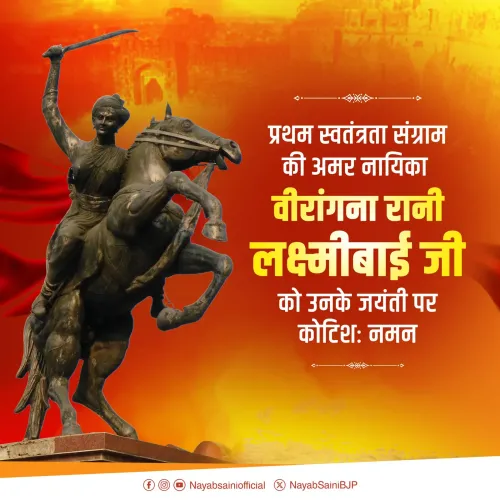
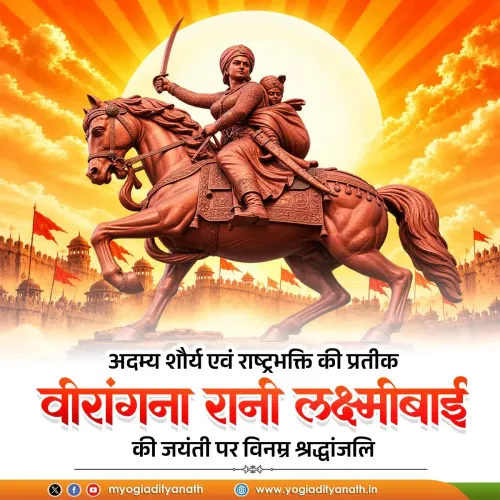
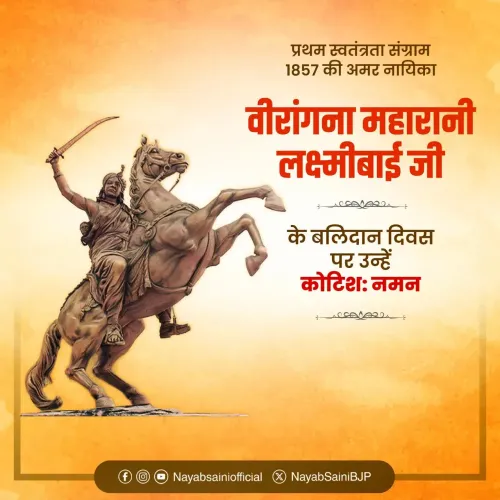
Sword in hand, child tied to her back — the image of Rani Lakshmi Bai charging into battle against British forces in 1857 remains one of the most visceral symbols of resistance in India's national memory. On her Jayanti, Union Petroleum Minister Hardeep Singh Puri honoured the warrior queen of Jhansi, calling her life a 'timeless reminder of the strength, resilience and spirit of Indian womanhood.'
A queen who rode into legend
Rani Lakshmi Bai, the Queen of Jhansi, became the defining face of the 1857 Indian Rebellion against British colonial rule. Refusing to cede her kingdom under the doctrine of lapse, she took up arms and led her forces into direct confrontation with the British East India Company's army. Her death in battle — fighting to the last — sealed her place not just in history books but in popular song, verse, and folklore across the subcontinent.
Nari Shakti as a thread from 1857 to today
Minister Puri's tribute invoked the hashtag #NariShakti, framing Rani Lakshmi Bai's legacy as a living source of inspiration for Indian women today. The message described her 'indomitable spirit, courage and determination' as having become 'a part of our national folklore' that 'continues to inspire generations of Indians.' It is a framing that Indian political leaders across party lines have long used — connecting historical memory of 1857-era figures to contemporary conversations about women's empowerment and national identity.
Point of View
Nari Shakti — to a figure of unimpeachable popular reverence. For the BJP, invoking the warrior queen of Jhansi aligns neatly with the party's broader cultural nationalism framework. Notably, such tributes transcend factional lines, suggesting Rani Lakshmi Bai occupies a rare, uncontested place in India's shared political memory. The ritual repetition of these anniversaries keeps 1857's emotional resonance alive and politically useful across generations.
NationPress
19 Nov 2026
Frequently Asked Questions
When is Rani Lakshmi Bai Jayanti celebrated?
Rani Lakshmi Bai Jayanti is celebrated on 19 November each year, marking the birth anniversary of the Queen of Jhansi.
Why is Rani Lakshmi Bai famous in Indian history?
Rani Lakshmi Bai was the Queen of Jhansi who led armed resistance against British colonial forces during the 1857 Indian Rebellion , becoming one of the most iconic symbols of courage and anti-colonial struggle in India.
What did Hardeep Singh Puri say about Rani Lakshmi Bai?
Union Petroleum Minister Hardeep Singh Puri described Rani Lakshmi Bai's life as 'a timeless reminder of the strength, resilience and spirit of Indian womanhood,' honouring her on her Jayanti via a post on X.
What does Nari Shakti mean?
Nari Shakti literally means 'women's power' in Hindi and is widely used in Indian political and policy discourse to refer to women's empowerment, strength, and contribution to national life.
Who was the child tied to Rani Lakshmi Bai's back during battle?
According to historical accounts and popular folklore, the child was her adopted son Damodar Rao , whom she is said to have tied to her back during the battle of Jhansi to keep him safe while she fought.