Rahul Gandhi calls Amit Shah's silence a confession
Synopsis
Congress leader Rahul Gandhi on August 12, 2026 publicly accused Home Minister Amit Shah of staying silent on an unspecified matter, calling that silence a 'confession.' The post, accompanied by a video, is part of a sustained opposition campaign holding BJP leaders to public account.
Key Takeaways
Rahul Gandhi posted a direct accusation against Amit Shah on August 12, 2026 , calling his silence a 'confession.' The post included a video but named no specific policy or incident, leaving the subject deliberately open.
Amit Shah is Union Minister of Home Affairs and a senior BJP leader — one of the most powerful figures in the current government.
Gandhi has a documented pattern of using social media to pressure BJP leaders on accountability, bypassing traditional parliamentary channels.
No BJP rebuttal had been issued publicly at the time of publication.
The exchange may resurface in the next Lok Sabha session, where Gandhi holds formal standing as Leader of the Opposition .
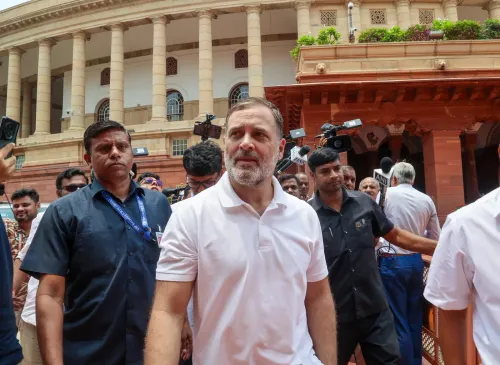
A pointed political charge landed on social media on Wednesday, August 12, 2026, when Congress leader Rahul Gandhi turned a philosophical axiom into a direct accusation — framing Union Home Minister Amit Shah's silence on an unspecified matter as an implicit admission of guilt.
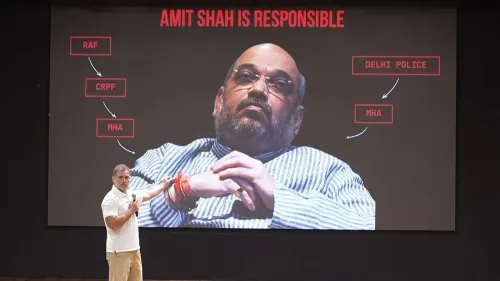
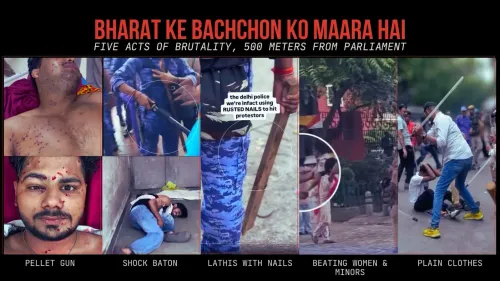
Gandhi's post read: 'When a man lacks the courage to speak the truth, his silence speaks for him. Amit Shah's silence is his confession.' The post, which included a video, offered no explicit subject — but the framing was unmistakable: a senior opposition leader publicly indicting the country's top law-enforcement minister for failing to answer.
A familiar battlefield, a sharpened blade
This is not the first time Gandhi has used social media as a pressure instrument against Amit Shah. Over the past several years, the Leader of the Opposition in Lok Sabha has consistently deployed X — formerly Twitter — to hold BJP leaders to public account, bypassing the traditional parliamentary forum. The tactic forces a response or, in its absence, allows the silence itself to become the story.
The rhetorical construction Gandhi chose is deliberate. By leading with a universal moral statement before naming Shah, he elevates the charge from political attack to ethical indictment — a move designed to make any non-response look like corroboration.
Shah's position and what the silence signals
Amit Shah, as Union Minister of Home Affairs, oversees the country's internal security apparatus and is among the most powerful figures in the Bharatiya Janata Party. Challenges directed at him from the opposition carry weight precisely because of that stature. When the nation's top law officer is publicly accused of lacking 'the courage to speak the truth,' the political stakes of any response — or non-response — are high.
The BJP had not issued a public rebuttal to Gandhi's post at the time of publication. Parliamentary watchers will note whether the exchange resurfaces in the next Lok Sabha session, where Gandhi, as Leader of the Opposition, commands a formal platform to press the question further.
In Indian politics, silence from a ruling-party minister in the face of a viral opposition charge rarely stays neutral for long — it either gets answered, or it compounds.
Point of View
He forces a binary — either Shah responds and engages the charge, or his silence validates it. The tactic fits a broader pattern in which the Congress has tried to shift accountability debates from Parliament, where the ruling majority controls the floor, to social media, where the opposition sets the agenda. Whether this particular salvo lands depends entirely on what the attached video contains and whether it triggers a news cycle that demands a formal answer. The post's staying power will be tested in the next Lok Sabha session.
NationPress
26 Sept 2026
Frequently Asked Questions
What did Rahul Gandhi say about Amit Shah on August 12 2026?
Gandhi posted that 'Amit Shah's silence is his confession,' framing the Home Minister's failure to speak on an unspecified matter as an implicit admission of guilt. The post included a video.
Why did Rahul Gandhi target Amit Shah?
Amit Shah is Union Home Minister and a senior BJP leader. Gandhi, as Leader of the Opposition, has repeatedly used social media to press BJP figures on accountability, and Shah is a frequent focus of that pressure.
What is Rahul Gandhi's current political position?
Rahul Gandhi is the Leader of the Opposition in the Lok Sabha and an Indian National Congress MP from Rae Bareli.
Did Amit Shah respond to Rahul Gandhi's accusation?
No public rebuttal from Amit Shah or the BJP had been issued at the time of publication.
Where can this exchange go next in Indian politics?
Parliamentary observers expect the issue to potentially resurface in the next Lok Sabha session, where Gandhi has formal standing to raise questions directly on the floor of the House.