Rahul Gandhi Alleges Voter ID Scheme Link Is 'Rights Theft'
Synopsis
Congress leader Rahul Gandhi has alleged that linking welfare scheme eligibility to Voter ID — rather than Aadhaar — combined with mass deletions from electoral rolls under SIR, constitutes a BJP-engineered plan to permanently rig democracy and strip dissenters of both votes and rights.
Key Takeaways
Rahul Gandhi alleges a Modi government minister announced welfare benefits will be determined by Voter ID , replacing Aadhaar-based verification.
He claims millions of names are being removed from voter rolls under the Special Intensive Revision (SIR) process, disproportionately targeting anti-BJP voters.
Gandhi names Gyanesh Kumar , a senior Election Commission official, alleging documented collusion with BJP in voter list manipulation.
He warns the domino effect could strip beneficiaries of ration, pension, MGNREGA, housing, scholarships, and reservation access.
The specific ministerial announcement and SIR deletion figures cited by Gandhi remain unverified independently; no government or Election Commission response has been issued.
Gandhi frames the issue as not electoral politics but a permanent structural capture: 'the government choosing its own people.'
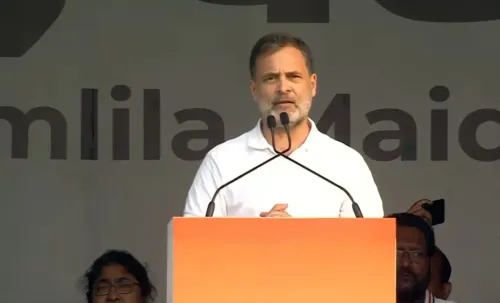
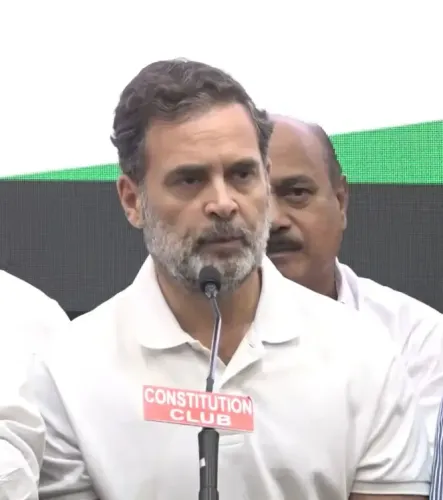
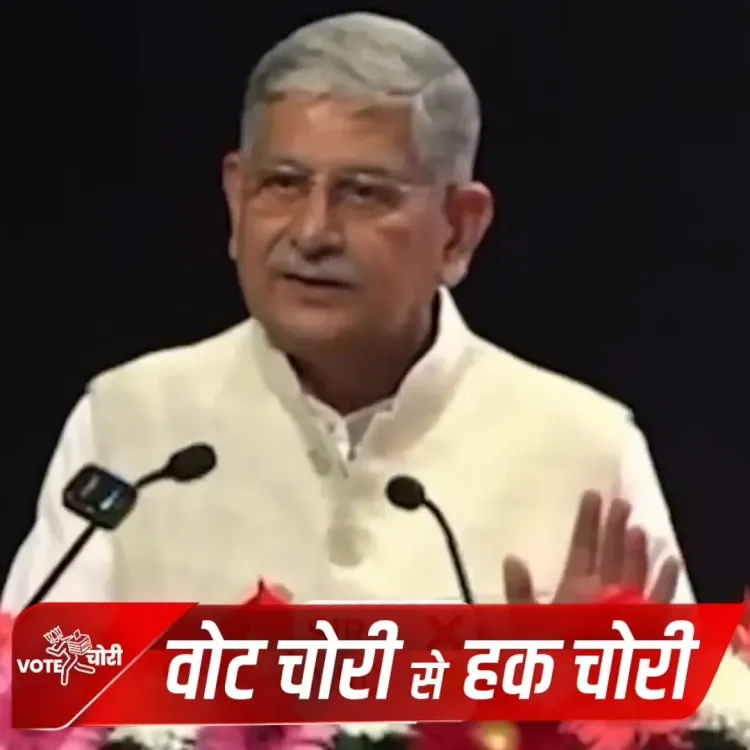
A minister in the Modi government has announced that welfare scheme benefits will now be determined by Voter ID rather than Aadhaar — and Congress leader Rahul Gandhi, Leader of the Opposition in Lok Sabha, says that single sentence unlocks a plot wide enough to swallow Indian democracy whole. In a sharply worded post on X on Friday, 6 November 2026, Gandhi called it not merely vote theft but 'haq chori' — the theft of rights.
Gandhi's post, written in Hindi, lays out what he describes as a layered conspiracy. At its first layer: voter rolls. He alleges that millions of names are being struck from electoral lists under the Special Intensive Revision (SIR) process — and that those names, disproportionately, belong to voters hostile to the BJP. 'If it is not stopped, more names will be cut,' he warns. 'Whose names, mostly? Those who are angry with BJP.'
Gyanesh Kumar and the Neutrality Question
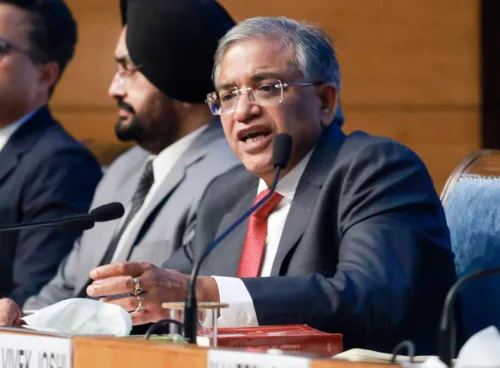
The post's sharpest institutional charge is directed at Gyanesh Kumar, a senior Election Commission official whom Gandhi identifies as a 'Modi government employee.' Gandhi alleges that the voter list — which he says should rest in the hands of an independent commission — is effectively under Kumar's control, and that the Congress has documented evidence of collusion between Kumar and the BJP in what Gandhi calls vote theft.
The Election Commission of India is a constitutional body, and its officials are drawn from the Indian Administrative Service. The question of who controls the composition of the electoral roll, and under what oversight, has been a recurring fault line in opposition politics. Gandhi's allegation sharpens that debate into a named accusation — something the Election Commission has not yet publicly responded to.
From Voter List to Ration Card: The Domino Gandhi Fears
The more explosive argument in the post is structural. Gandhi asks his audience to follow the logic downstream: if your Voter ID — not your Aadhaar — determines whether you receive scheme benefits, and if your name can be removed from the voter list, then deleting a name from a list effectively deletes a citizen from the welfare state. He lists the programmes he fears could follow: ration, pension, MGNREGA, housing, scholarships, reservation.
'Name cut — vote gone. Vote gone — rights gone,' he writes. The progression, as Gandhi frames it, ends at what he calls a 'hijacked democracy' — one where the government does not emerge from the people, but instead selects its own people: 'janta sarkar nahi chunegi, sarkar apni janta chunegi.' (The public will not choose the government; the government will choose its public.)
It is worth noting: the specific ministerial announcement Gandhi references, and the precise scale of SIR-linked deletions, are unverified from independent sources at the time of publication. The Election Commission and the government have not issued a public response to the allegations in this post.
Aadhaar's Welfare Role and What a Shift Would Mean
India expanded Aadhaar linkage to welfare delivery aggressively from 2014 onwards, primarily as a mechanism to eliminate duplicate beneficiaries and ensure targeted delivery of subsidies — from cooking gas to direct benefit transfers. Voter ID has historically served a different function: proof of citizenship and franchise. Yoking scheme eligibility to Voter ID status would, critics argue, create an unprecedented gatekeeping mechanism where electoral participation and welfare entitlement become the same transaction.
Gandhi's closing line is a declaration, not a question: 'A poor person's pension cannot be a slave to their voter card. This is not just vote theft — this is rights theft. We will not let this happen.'
Whether this becomes a street-level mobilisation or a parliamentary floor battle, the Congress has drawn its line — and named the machinery it says stands on the other side of it.
Point of View
He is attempting to convert a procedural grievance into a visceral, kitchen-table fear for rural and marginalised voters. The strategic framing — 'name cut, vote gone, rights gone' — is designed to make electoral reform feel as urgent as the next ration delivery. How the Election Commission and the government respond, and whether opposition parties coalesce around this narrative ahead of any upcoming state elections, will determine whether this post becomes a rallying cry or a contested claim.
NationPress
6 Nov 2026
Frequently Asked Questions
What is Rahul Gandhi alleging about Voter ID and welfare schemes?
Gandhi alleges that the Modi government plans to make Voter ID — rather than Aadhaar — the basis for receiving welfare scheme benefits, which he argues would allow mass voter-list deletions to simultaneously strip citizens of both their votes and their entitlements to programmes like pensions, ration, and MGNREGA.
Who is Gyanesh Kumar and why is he named in Rahul Gandhi's post?
Gyanesh Kumar is a senior Election Commission official. Gandhi identifies him as a 'Modi government employee' and alleges the Congress has evidence of his collusion with the BJP in manipulating voter lists, raising questions about the institutional independence of the electoral roll process.
What is SIR and how does it relate to voter list deletions?
SIR stands for Special Intensive Revision, a process used to update electoral rolls. Gandhi alleges that under SIR, millions of names — predominantly those of voters opposed to the BJP — are being deleted from voter lists, and that the pace of deletions will accelerate if unchecked.
Why was Aadhaar used for welfare schemes and what would a shift to Voter ID mean?
Aadhaar was expanded as a welfare verification tool from 2014 to eliminate duplicate beneficiaries and streamline direct benefit transfers. A shift to Voter ID would, critics argue, create a new gatekeeping mechanism where only registered voters in good standing could access government benefits — tying franchise and welfare into a single, manipulable list.
Has the Election Commission or the government responded to Rahul Gandhi's allegations?
As of publication, neither the Election Commission of India nor any government ministry has publicly responded to the specific allegations made by Gandhi in this post. The ministerial announcement he references and the scale of SIR deletions cited remain independently unverified.