Rahul Gandhi Condoles Wayanad Landslide, Urges Relief Push
Synopsis
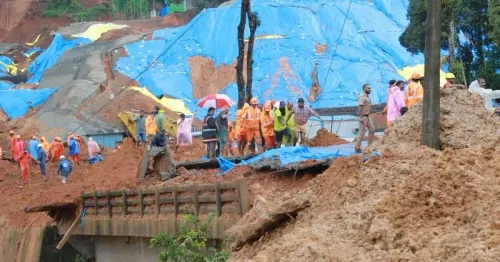
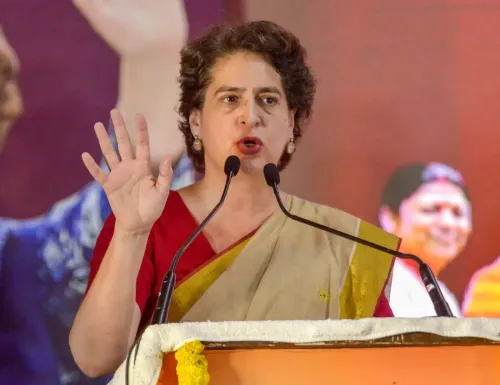
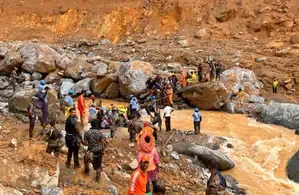
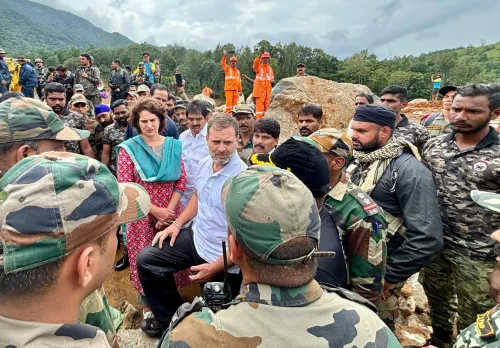
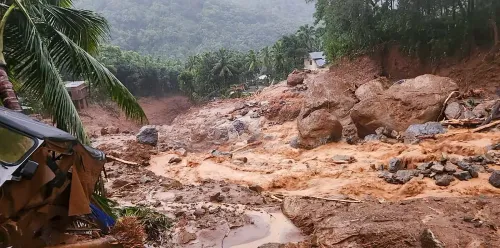
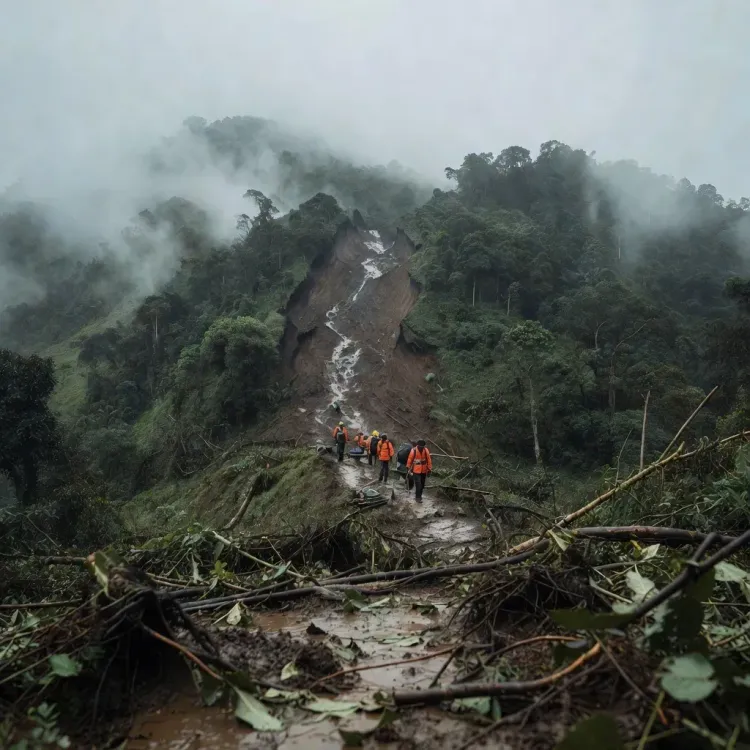
Congress leader Rahul Gandhi on July 7, 2026, condoled a landslide in Wayanad, Kerala, calling the news 'deeply distressing,' offering condolences to bereaved families, and noting that relief and rescue operations are actively underway in the disaster-hit district.
Key Takeaways
Congress leader Rahul Gandhi , MP from Rae Bareli and Leader of the Opposition, posted condolences over a landslide in Wayanad, Kerala on July 7, 2026 .
Gandhi described the news as 'deeply distressing' and extended 'heartfelt condolences' to families who lost loved ones.
He confirmed that relief and rescue operations were underway at the time of his post.
Wayanad is a recurrently disaster-prone district in the Western Ghats , previously devastated during the 2018 Kerala floods which caused over 400 deaths statewide.
Gandhi previously served as Wayanad's Member of Parliament before contesting from Rae Bareli , giving him a direct personal connection to the district.
Official damage assessments and any central rehabilitation package are awaited as rescue operations continue.
Congress leader Rahul Gandhi, Leader of the Opposition in the Lok Sabha and MP from Rae Bareli, expressed deep grief over a landslide in Wayanad, Kerala, on Tuesday, July 7, 2026, extending condolences to affected families and noting that rescue operations are underway.
Context
Wayanad, a district in northern Kerala nestled in the Western Ghats, is among the most landslide-prone regions in India. The district sits at the confluence of steep terrain and intense monsoon rainfall, conditions that have historically made it vulnerable to sudden slope failures. Gandhi, who previously represented Wayanad as its Member of Parliament before shifting to Rae Bareli, has a close political and personal connection to the district and its people.
In his post, Gandhi described the news as 'deeply distressing' and said his 'heartfelt condolences' go to families who have lost loved ones. He added that 'relief and rescue operations are underway, and every possible effort is being made to reach' those affected — indicating active emergency response on the ground at the time of posting.
Policy Backdrop
Kerala has faced a series of large-scale natural disasters in recent years. The 2018 Kerala floods caused over 400 deaths statewide, with Wayanad among the worst-hit districts, triggering coordinated deployment of National Disaster Response Force (NDRF) teams and central government assistance under the National Disaster Management Act, 2005. That episode prompted a wider conversation about disaster preparedness in the Western Ghats.
Scientists and ecologists have repeatedly flagged that landslide frequency in the Western Ghats has increased in association with intensifying monsoon rainfall episodes and land-use changes. State and central administrations have since developed standing disaster management plans for hilly districts, with pre-positioned NDRF units during the monsoon season. The Kerala government typically leads first-response operations, with central teams supplementing capacity in severe incidents.
Stakeholders and Impact
The most immediate stakeholders are the residents of Wayanad — including farming communities, tribal populations, and plantation workers — who are disproportionately exposed to landslide risk due to the nature of settlements in hilly terrain. Families who have lost members or property face an acute humanitarian need for search, rescue, medical assistance, and eventual rehabilitation support.
Opposition leaders issuing public statements during regional disasters serves a dual function: expressing genuine solidarity and simultaneously signalling political attention to the affected constituency. For Gandhi, whose previous parliamentary tenure was rooted in Wayanad, the statement carries an added layer of personal association beyond standard political condolence.
What's Next
Attention will now shift to the completion of rescue operations and the release of official damage assessments by the Kerala government and disaster management authorities. Any announcement of a central assistance package or state-level rehabilitation programme will be closely watched by affected communities and opposition leaders alike.
The broader question of long-term resilience — including early-warning systems, regulated construction in landslide-prone zones, and ecological protection of the Western Ghats — is likely to resurface in parliamentary and state legislative debates as the full scale of the disaster becomes clearer.
Point of View
The recurrence of landslide emergencies in the Western Ghats is forcing a slow but visible shift in how both opposition and ruling parties frame disaster response — from reactive condolence to demands for structural preparedness. Whether this episode accelerates legislative or policy action on Western Ghats ecological protection remains the key question to watch.
NationPress
7 Jul 2026
Frequently Asked Questions
What happened in Wayanad in July 2026?
A landslide struck Wayanad district in Kerala around July 7, 2026 , prompting relief and rescue operations. Specific casualty figures and the exact trigger had not been officially confirmed at the time of Gandhi's statement.
Why did Rahul Gandhi comment on the Wayanad landslide?
Gandhi expressed condolences as Leader of the Opposition and a national Congress leader, and also because he previously represented Wayanad as its Member of Parliament before moving to Rae Bareli .
Is Wayanad prone to landslides?
Yes. Wayanad is located in the Western Ghats and has been repeatedly affected by monsoon-triggered landslides and floods, including during the devastating 2018 Kerala floods that caused over 400 deaths statewide.
What relief operations are underway in Wayanad?
Gandhi's post confirmed that 'relief and rescue operations are underway,' consistent with the standard deployment of NDRF teams and state disaster management resources that Kerala activates during such emergencies.
What is the National Disaster Management Act 2005?
The National Disaster Management Act, 2005 is the primary Indian law governing disaster preparedness and response, under which the NDRF operates and central government assistance to states is coordinated during major natural disasters.