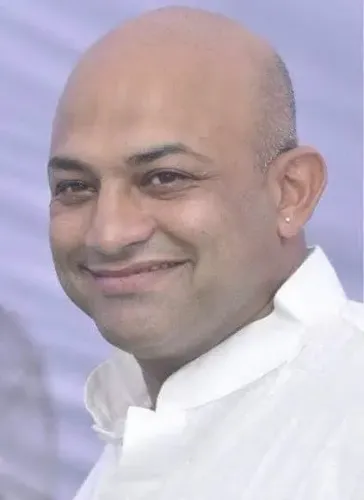
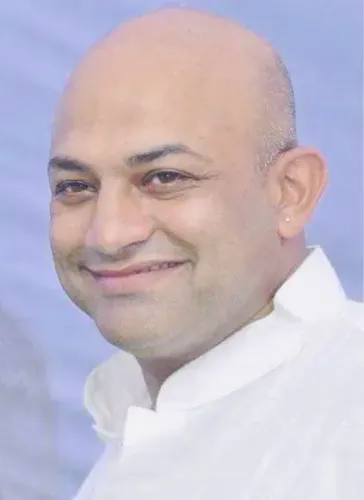
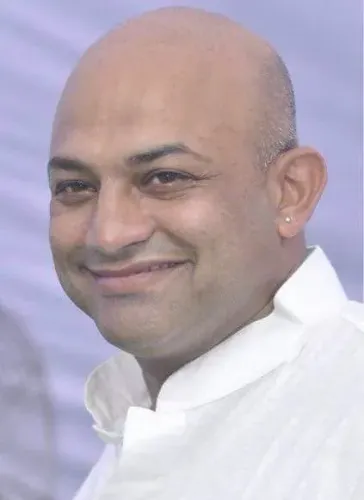
Rahul Gandhi Mourns Passing of Congress Leader Suraj Hegde
Synopsis
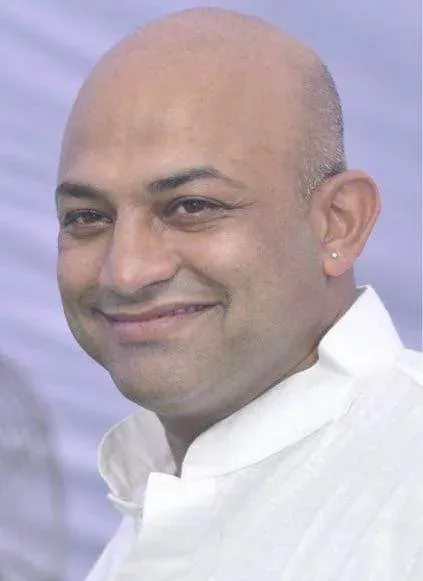
Congress leader Rahul Gandhi on June 8, 2026, mourned the death of Suraj Hegde, AICC Secretary and former Indian Youth Congress In-charge, calling him a dedicated mentor who shaped young Congress workers through his deep belief in the party's ideals.
Key Takeaways
Rahul Gandhi , Leader of the Opposition in the Lok Sabha, expressed grief over the passing of Suraj Hegde on June 8, 2026 .
Hegde served as AICC Secretary and former In-charge of the Indian Youth Congress , the INC's primary youth wing.
Gandhi described Hegde as having worked with 'a deep belief in the party's ideals' and praised his role as a mentor to young Indians.
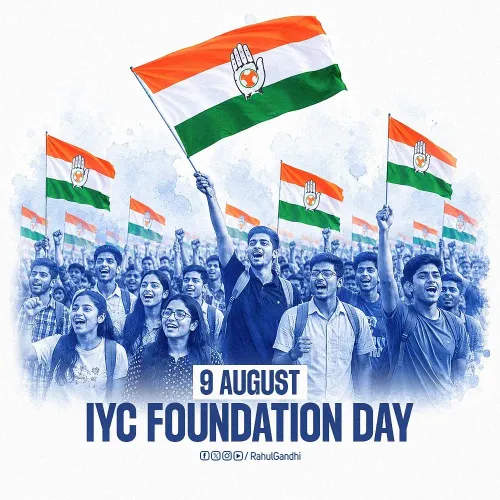
The Indian Youth Congress has functioned since the mid-20th century as the INC's key platform for recruiting and training future party leaders.
The Congress party is expected to issue formal condolence resolutions and address organisational arrangements at upcoming AICC meetings.
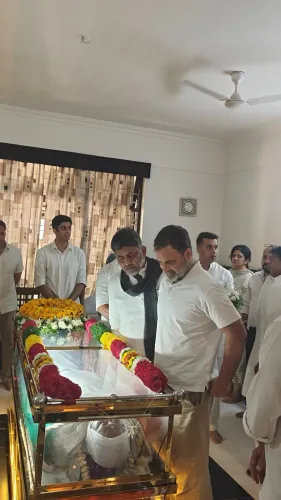
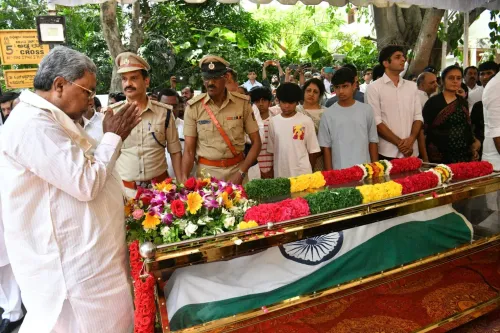
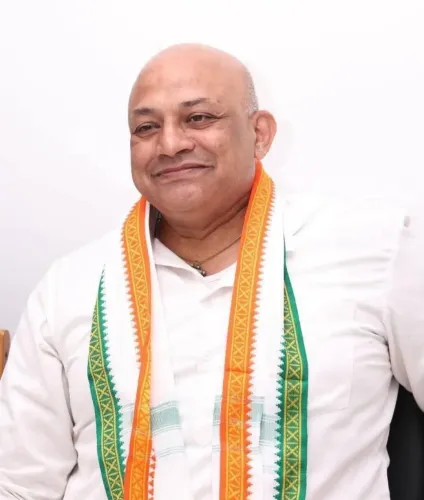
Congress leader Rahul Gandhi, Leader of the Opposition in the Lok Sabha, on Monday, June 8, 2026, expressed grief over the death of Suraj Hegde, a senior party functionary who served as All India Congress Committee (AICC) Secretary and former In-charge of the Indian Youth Congress.
Context
In his post on X, Gandhi described Hegde as someone who worked with 'a deep belief in the party's ideals.' He noted that the Youth Congress was 'not just an assignment' for Hegde, and that he mentored young Indians who continue to carry forward the party's legacy. The tribute underscores the significance the Congress organisation places on functionaries who dedicate their careers to building its grassroots and youth structures.
Hegde held two prominent organisational roles: as AICC Secretary, a position within the central governing body of the Indian National Congress, and as former In-charge of the Indian Youth Congress, the party's primary youth wing responsible for mobilising young supporters and developing future leaders.
Policy Backdrop
The Indian Youth Congress has operated since the mid-20th century as the INC's dedicated platform for recruiting and training younger members into party structures. The organisation has historically been seen as a pipeline for future legislators and organisational leaders, making the role of its In-charge a strategically significant one within the party hierarchy.
The AICC, as the central governing body of the Indian National Congress, oversees policy decisions and organisational appointments across the party's national footprint. Secretaries within the AICC are typically assigned to manage specific states or functional portfolios, making Hegde's dual role reflective of a trusted party operative.
Stakeholders and Impact
Hegde's passing is expected to be felt most immediately among Congress party workers and youth political activists whom he mentored during his tenure with the Indian Youth Congress. Gandhi's tribute specifically highlighted this mentorship dimension, suggesting Hegde's influence extended beyond administrative duties to shaping the next generation of Congress workers.
Opposition leaders routinely issue public statements marking the deaths of long-serving party functionaries to acknowledge organisational loyalty. Such tributes form part of routine internal party communication, but Gandhi's personal framing — emphasising Hegde's belief in party ideals and his role as a mentor — signals the regard in which Hegde was held at the highest levels of the party.
What's Next
The Congress party is likely to issue formal condolence resolutions at upcoming organisational meetings. The AICC may also address interim arrangements for responsibilities held by Hegde. The tribute from Gandhi, as the most prominent face of the opposition, ensures that Hegde's contributions to the party's youth outreach are placed on public record at a national level.
Point of View
Gandhi implicitly reinforces the party's investment in the Indian Youth Congress as a leadership pipeline at a time when the opposition is focused on rebuilding its grassroots machinery. The personal tone of the tribute, coming from the Leader of the Opposition, elevates what might otherwise be an internal party matter into a public statement about the value of ideological commitment within the Congress ecosystem. It also reflects a broader pattern of the INC using public grief as a tool of organisational cohesion.
NationPress
23 Oct 2026
Frequently Asked Questions
Why did Rahul Gandhi post about Suraj Hegde?
Rahul Gandhi posted a condolence message on X on June 8, 2026, mourning the passing of Suraj Hegde and acknowledging his contributions as a mentor and party organiser within the Indian Youth Congress.
What is the Indian Youth Congress?
The Indian Youth Congress is the official youth wing of the Indian National Congress, established in the mid-20th century to recruit and train young supporters and develop future party leaders.
What happens after the death of an AICC Secretary?
The AICC typically issues formal condolence resolutions and may announce interim arrangements for the portfolios or responsibilities previously held by the deceased functionary at upcoming organisational meetings.