Rahul Gandhi Condemns Attack on MP Abhishek Banerjee in Sonarpur
Synopsis
Congress leader Rahul Gandhi condemned the reported attack on Trinamool Congress MP Abhishek Banerjee in Sonarpur, West Bengal, on May 30, 2026. He called it an assault on democracy and blamed BJP's 'politics of revenge,' underscoring recurring concerns about political violence against elected representatives in India.
Key Takeaways
Rahul Gandhi, Leader of the Opposition, condemned the reported attack on TMC MP Abhishek Banerjee in Sonarpur, West Bengal on May 30, 2026 .
Gandhi stated the attack was not just on one person but on the electorate and on Indian democracy as a shared institution.
He directly blamed the BJP , calling the incident a 'disgusting form of the BJP's politics of revenge.' Gandhi asserted that political differences must never become a justification for violence.
The incident reflects a broader pattern of TMC-BJP political clashes in West Bengal , documented since at least the 2021 assembly elections .
Responses from West Bengal state authorities and the Union Home Ministry are awaited; parliamentary discussion is possible in the next session.
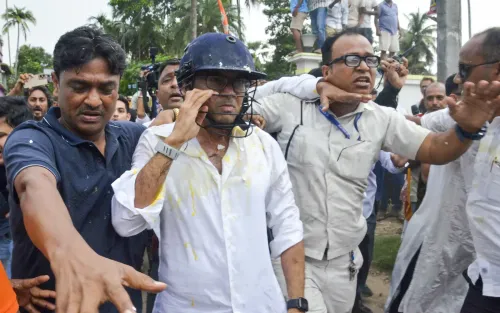
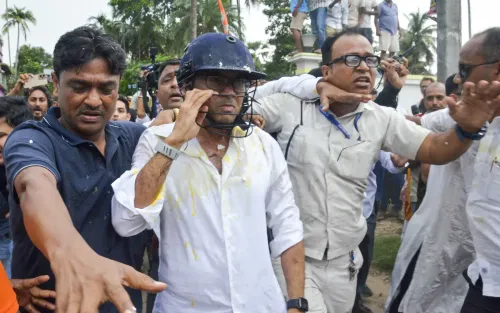
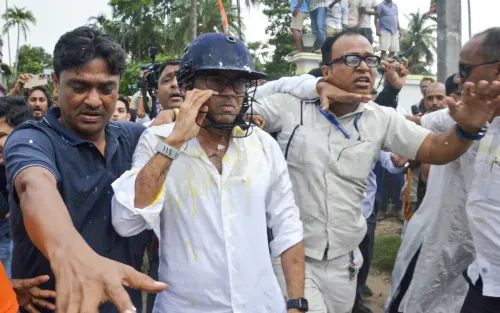
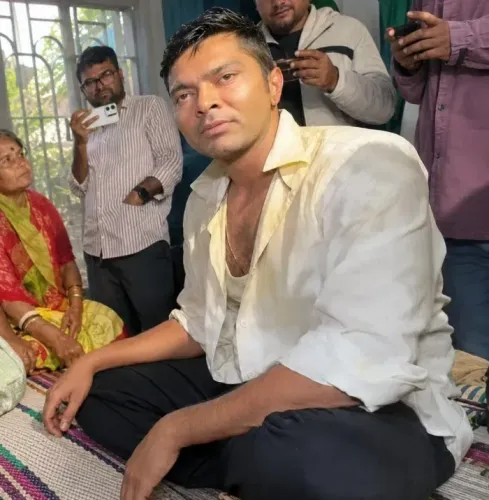
Congress leader Rahul Gandhi, Leader of the Opposition in Lok Sabha, on Saturday, May 30, 2026, strongly condemned the reported attack on Trinamool Congress MP Abhishek Banerjee in Sonarpur, West Bengal, calling it an assault not just on an individual but on democracy itself.
Posting in Hindi on X, Gandhi wrote: 'सांसद अभिषेक बनर्जी जी पर सोनारपुर में हुआ हमला बेहद निंदनीय है' ('The attack on MP Abhishek Banerjee in Sonarpur is highly condemnable'). He further stated that an attack on a Member of Parliament is not an attack on one person — it is an attack on the people who elected him, and on the democracy that is the shared inheritance of all.
Gandhi squarely blamed the Bharatiya Janata Party, calling the incident a 'disgusting form of the BJP's politics of revenge' (BJP की बदले की राजनीति का घिनौना रूप). He added that political differences should never be a reason for violence.
Context
Abhishek Banerjee is a senior Trinamool Congress leader and MP from West Bengal, widely regarded as one of the most prominent faces of the party's younger leadership. Sonarpur falls within the South 24 Parganas district, a region that has witnessed recurring political tensions between TMC and BJP workers over recent years.
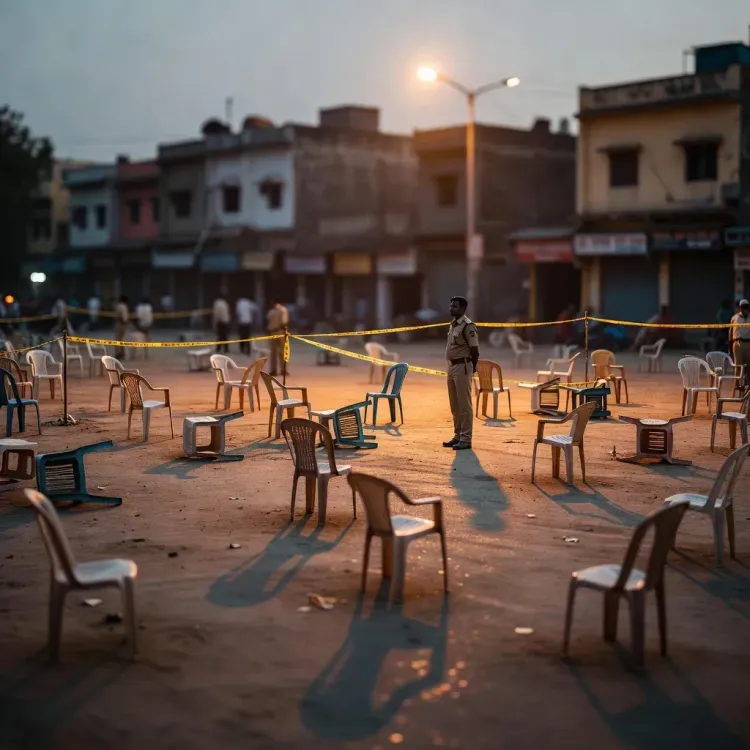
The specific circumstances of the May 30, 2026 incident — including the nature of the attack, the identities of those involved, and any official response — remain unconfirmed at the time of publication. Gandhi's post does not provide granular details but frames the episode as part of a broader pattern of political intimidation.
Policy Backdrop
West Bengal has been a persistent flashpoint for inter-party political violence. Following the 2021 West Bengal assembly elections, multiple incidents of post-poll clashes between TMC and BJP supporters were documented by civil society groups and rights organisations, drawing national attention and prompting calls for central intervention.
Attacks on elected representatives — whether sitting MPs, MLAs, or local body members — have been raised repeatedly in parliamentary debates as a threat to democratic functioning. Gandhi's framing aligns with a position he has consistently maintained: that violence against opposition figures reflects an institutional erosion of democratic norms under the current central government.
Stakeholders and Impact
The statement is notable for its cross-party solidarity: Gandhi, leader of the principal national opposition party, is publicly defending an MP from the Trinamool Congress — a regional party that competes with the Congress in West Bengal but shares a common adversary in the BJP at the national level. This kind of opposition convergence has become a recurring feature of Indian politics since 2019.
For West Bengal voters — particularly in constituencies with active BJP-TMC rivalry — the incident and its political fallout carry direct implications for the safety of elected representatives and the conduct of local politics. Opposition MPs across parties are also stakeholders, as the precedent set by such attacks bears on their own security.
What's Next
Attention will now turn to the response of West Bengal state authorities and the Union Home Ministry regarding the reported attack. Whether the incident is raised in Parliament during the next session — potentially as a privilege motion or under Zero Hour — remains to be seen.
Gandhi's statement signals that the Congress intends to keep political violence in the national spotlight, and the episode could become a rallying point for a broader opposition front ahead of future electoral contests in West Bengal.
Point of View
He reinforces the narrative of a unified opposition against what he frames as BJP-orchestrated political intimidation. The move costs him little in West Bengal, where Congress is a minor player, but amplifies the national optics of a democratic coalition under threat. Framing constituency-level violence as an attack on the institution of Parliament elevates the stakes beyond a local law-and-order matter, placing pressure on the Union Home Ministry to respond. This is consistent with Gandhi's broader strategy of using individual incidents to build a cumulative case against the Centre's democratic record.
NationPress
15 Oct 2026
Frequently Asked Questions
Who is Abhishek Banerjee and what happened to him in Sonarpur?
Abhishek Banerjee is a senior Trinamool Congress MP from West Bengal. According to Rahul Gandhi's May 30, 2026 post, Banerjee was attacked in Sonarpur; specific details of the incident remain unconfirmed by official sources at the time of publication.
Why did Rahul Gandhi speak up for a TMC MP?
Gandhi condemned the attack as a threat to democratic norms, arguing that an assault on any elected MP — regardless of party — is an attack on the people who voted for that representative and on democracy itself.
What did Rahul Gandhi say about the BJP in his post?
Gandhi called the attack a 'disgusting form of the BJP's politics of revenge' and stated that political differences should never be a reason for violence.
Is political violence common in West Bengal?
West Bengal has seen documented clashes between TMC and BJP workers, particularly after the 2021 assembly elections, making it one of India's more volatile states in terms of inter-party political violence.
What action could follow after this attack?
Responses from West Bengal state authorities and the Union Home Ministry are expected. The incident may also be raised in Parliament during the next session, potentially under Zero Hour or as a privilege motion.