Chhattisgarh CMO: Blood Donation, Ayurveda Drive Unite Raipur
Synopsis
Raipur hosted a mass blood donation drive, body-pledge ceremony, Ayurveda health camp, and children's stationery collection under the Seva Sankalp Abhiyan, the Chhattisgarh CMO announced on September 24, 2026, calling it a symbol of growing people-led public welfare.
Key Takeaways
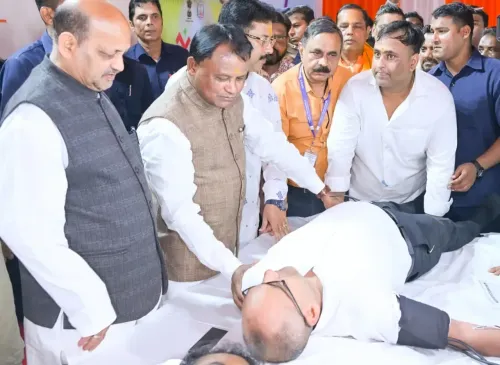
The Raktdaan Mahakumbh in Raipur drew a large number of blood donors under the state-run Seva Sankalp Abhiyan .
Citizens took formal body donation pledges ( dehdan sankalp ), committing their bodies to medical science after death.
An Ayurveda Seva Sammelan and free health check-up camp ran alongside the blood donation event.
Volunteers collected books, toys, and stationery for underprivileged children as part of the same drive.
The Chhattisgarh CMO framed the campaign's philosophy as: service leads to empathy, empathy leads to public welfare.
A city gave of itself — its blood, its body, and its books. The Chief Minister's Office of Chhattisgarh on Thursday, September 24, 2026, highlighted the conclusion of a sweeping public welfare drive in Raipur under the Seva Sankalp Abhiyan (Service Pledge Campaign), calling it a remarkable demonstration of people-powered service.
Raipur's Raktdaan Mahakumbh: A City Rolls Up Its Sleeves
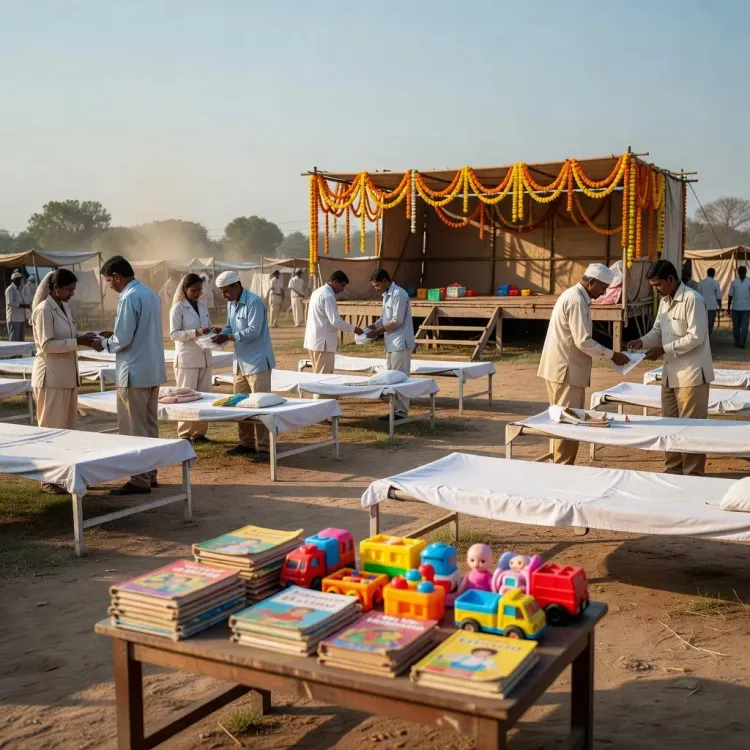
The centrepiece of the drive was a large-scale blood donation camp — branded the Raktdaan Mahakumbh — which drew a 'large number' of donors, according to the CMO's post. Blood donation camps of this scale in state capitals serve a dual purpose: replenishing hospital blood banks while building a culture of voluntary giving.
Alongside the donation drive, citizens took formal body donation pledges (dehdan sankalp), committing their bodies to medical science after death — a pledge that carries significant social weight in Indian communities where awareness of organ and body donation remains limited.
Ayurveda Clinic and Children's Corner
The event also hosted an Ayurveda Seva Sammelan and free health check-up camps, weaving traditional Indian medicine into the public health outreach. This pairing of modern health screenings with Ayurvedic consultations reflects a pattern seen across several state government campaigns that seek to broaden the reach of wellness programmes beyond urban clinic infrastructure.
A quieter but vivid detail: volunteers collected books, toys, and stationery for children in need — a hands-on act of solidarity that the CMO's post placed alongside blood donation as evidence that seva (service) is becoming a mass social compact in Chhattisgarh.
From Individual Pledge to State-Wide Movement
The CMO's post framed the campaign's philosophy in three linked words: 'Seva se Samvedna, Samvedna se Jankayan' — 'From service, empathy; from empathy, public welfare.' That three-step chain is deliberate statecraft: by anchoring welfare delivery in voluntary citizen participation rather than government machinery alone, the campaign attempts to create durable social habits rather than a one-time event.
Indian state governments have long organised such drives, but campaigns that bundle blood donation, body pledges, Ayurveda camps, and child welfare under a single brand — and tag them to a named political initiative — represent an increasingly common effort to turn welfare optics into measurable community engagement. Whether the Seva Sankalp Abhiyan yields verifiable participation data and extends to district-level events will determine if this Mahakumbh moment becomes a movement.
Point of View
Making citizens co-owners of social outcomes rather than passive recipients. By pairing hard metrics — blood units donated, body pledges signed — with softer gestures like toy collection, the campaign builds an emotionally resonant narrative ahead of any future electoral cycle. The inclusion of Ayurveda alongside modern health screening also signals a continuing effort by state governments to mainstream traditional medicine within public health infrastructure. The real test of durability will be whether district-level editions follow and whether participation figures are made public.
NationPress
24 Sept 2026
Frequently Asked Questions
What is the Seva Sankalp Abhiyan in Chhattisgarh?
The Seva Sankalp Abhiyan is a state-government-led public welfare campaign in Chhattisgarh that combines blood donation drives, body donation pledges, Ayurveda health camps, and community service activities under a single branded initiative.
What happened at the Raktdaan Mahakumbh in Raipur?
A large-scale blood donation camp called the Raktdaan Mahakumbh was held in Raipur as part of the Seva Sankalp Abhiyan, where a large number of citizens donated blood and others took body donation pledges.
What is a dehdan sankalp?
A dehdan sankalp is a formal pledge by an individual to donate their body to medical science after death. It is considered a significant act of social contribution, particularly in communities where such awareness is still developing.
Was an Ayurveda camp held at the Raipur event?
Yes, an Ayurveda Seva Sammelan and free health check-up camp were organised alongside the blood donation drive as part of the same Seva Sankalp Abhiyan event in Raipur.
How were children helped at the Chhattisgarh seva camp?
Volunteers collected books, toys, and stationery items for underprivileged children during the Seva Sankalp Abhiyan event in Raipur, making child welfare a visible component of the broader service drive.