CM Sai joins blood donation, mega health camp in Mungeli
Synopsis
Chhattisgarh CM Vishnu Deo Sai attended a blood donation drive and free mega health camp in Mungeli under the Seva Sankalp Abhiyan on 25 September 2026, honouring donors and frontline mitanin and anganwadi workers for their community health contributions.
Key Takeaways
CM Vishnu Deo Sai attended the Seva Sankalp Abhiyan event in Mungeli on 25 September 2026 .
The camp combined an Aangan Milan Seva , a blood donation drive, and a free mega health screening in a single community event.
Voluntary blood donors were publicly honoured at the event.
Chhattisgarh's Mitanin programme , operational since 2002 , deploys local women as frontline community health volunteers across rural and tribal areas.
Anganwadi workers and helpers under the Integrated Child Development Services were also recognised for their role in nutrition and early childhood care.
Mungeli is a predominantly rural and tribal district in central Chhattisgarh, making last-mile health delivery a priority concern.
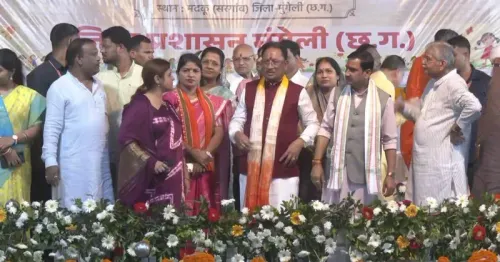
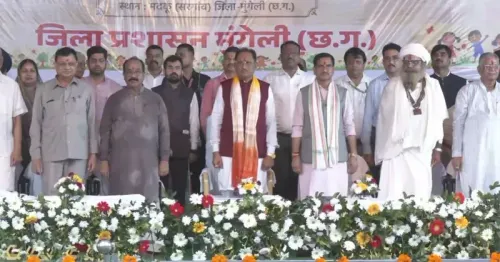
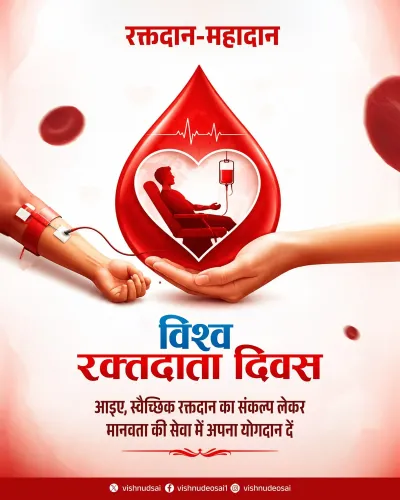
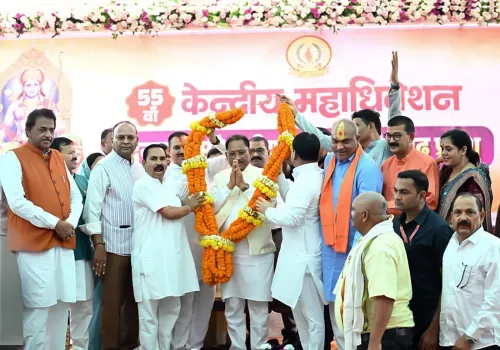
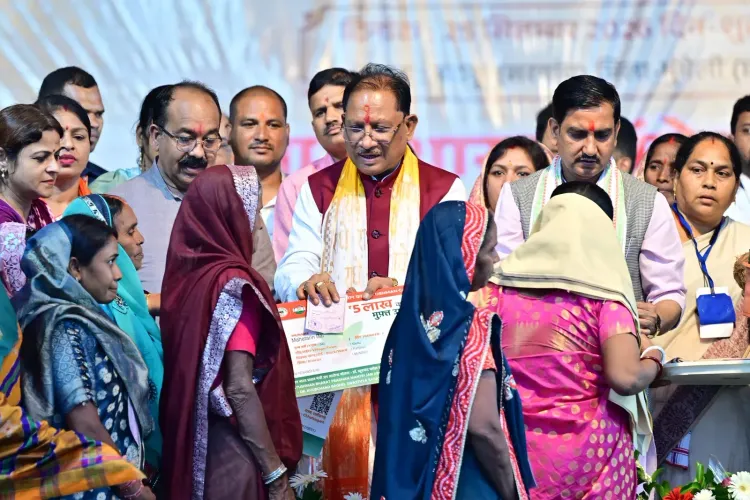
In the heart of rural Chhattisgarh, Chief Minister Vishnu Deo Sai joined residents of Mungeli on Friday, 25 September 2026 for a community health drive that put blood donors, mitanins, and anganwadi workers in the spotlight — not politicians.
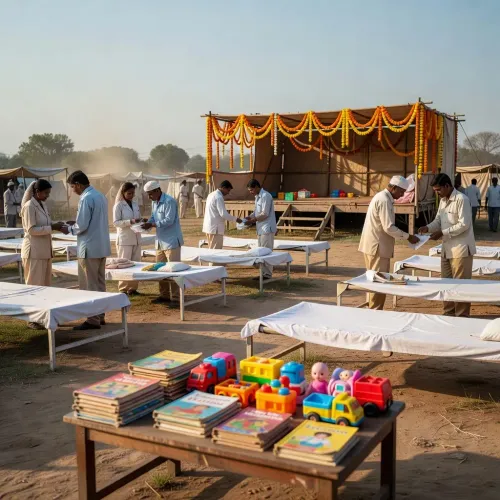
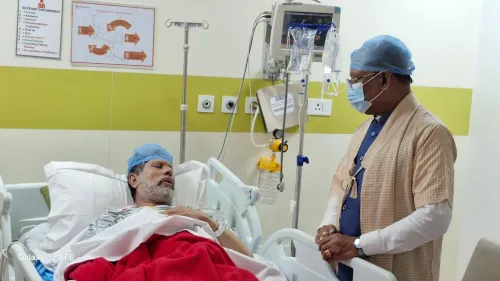
The event, held under the state government's Seva Sankalp Abhiyan, combined an Aangan Milan Seva (community courtyard meet), a blood donation camp, and a free mega health camp. CM Sai honoured voluntary blood donors and formally recognised the contribution of frontline workers who carry health services to the last household. 'Seva ka bhav hi samaj ki sabse badi shakti hai' — 'The spirit of service is society's greatest strength' — he wrote, framing the event as a cornerstone of a healthier and more empowered Chhattisgarh.
Mitanins and anganwadi workers: the quiet backbone of rural health
Chhattisgarh's Mitanin programme, launched in 2002, placed trained local women at the front lines of primary healthcare across remote and tribal villages — handling disease surveillance, maternal health support, and essential medicines. Alongside them, anganwadi workers and helpers under India's Integrated Child Development Services deliver nutrition, immunisation, and early childhood care at the village level. These two cadres are, in practice, the healthcare system for millions of rural Chhattisgarh families.
CM Sai's acknowledgement of their 'dedication and spirit of service' at a public event is a signal that the state intends to keep this community-volunteer model central to its public health strategy — particularly relevant as Mungeli district, with its predominantly rural and tribal population, sits among the areas where last-mile delivery remains a genuine challenge.
Seva Sankalp Abhiyan and the state's community outreach push
The Seva Sankalp Abhiyan is Chhattisgarh's structured campaign channelling voluntary and governmental service into community touchpoints — health camps, civic engagement, and grassroots welfare drives. Friday's Mungeli event is part of a broader pattern: the state has periodically organised multi-service camps in tribal and rural districts, combining primary health screening with citizen-government interaction under a single roof.
Such models parallel National Health Mission frameworks seen across several states, but Chhattisgarh's specific emphasis on seva as a civic value — and the use of the Mitanin network as a delivery spine — gives the programme a locally rooted identity. Whether the campaign expands to additional districts, and whether the next state budget includes enhanced support for the mitanin and anganwadi cadres, will be the real measure of this commitment.
Point of View
The administration is reinforcing the credibility of its last-mile health delivery model, which dates to 2002 and crosses party lines in its design. The Seva Sankalp Abhiyan framing also serves a political purpose: it wraps routine government service delivery in a voluntary, civic-virtue narrative that is harder to attack than a scheme announcement. The real test will be whether the cadre support — pay, training, equipment — matches the rhetorical recognition.
NationPress
26 Sept 2026
Frequently Asked Questions
What is the Seva Sankalp Abhiyan in Chhattisgarh?
The Seva Sankalp Abhiyan is a Chhattisgarh government campaign that organises voluntary and public service activities — including health camps, blood donation drives, and community outreach — to deliver welfare services at the grassroots level.
What happened at the Mungeli health camp on 25 September 2026?
Chief Minister Vishnu Deo Sai attended a free mega health camp, blood donation drive, and Aangan Milan Seva event in Mungeli, where he honoured voluntary blood donors and recognised the contributions of mitanin and anganwadi workers.
What is the Mitanin programme in Chhattisgarh?
Launched in 2002, the Mitanin programme trains local women in rural and tribal Chhattisgarh as community health volunteers who handle primary healthcare, disease surveillance, and maternal services at the village level.
Who are anganwadi workers and what do they do?
Anganwadi workers are frontline staff under India's Integrated Child Development Services who deliver nutrition support, immunisation, and early childhood care at the village level across the country, including in Chhattisgarh.
Where is Mungeli district located?
Mungeli is a district in central Chhattisgarh with a predominantly rural and tribal population, served by the Mungeli district administration headquartered in Mungeli town.