Rajasthan CM Bhajanlal Backs Kalika Patrolling Units for Women's Safety
Synopsis
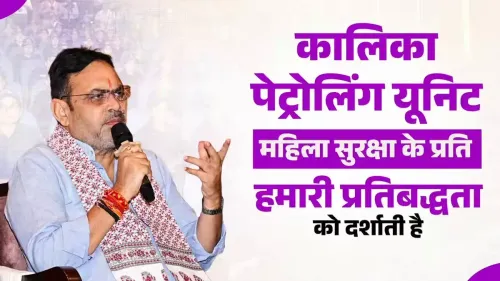
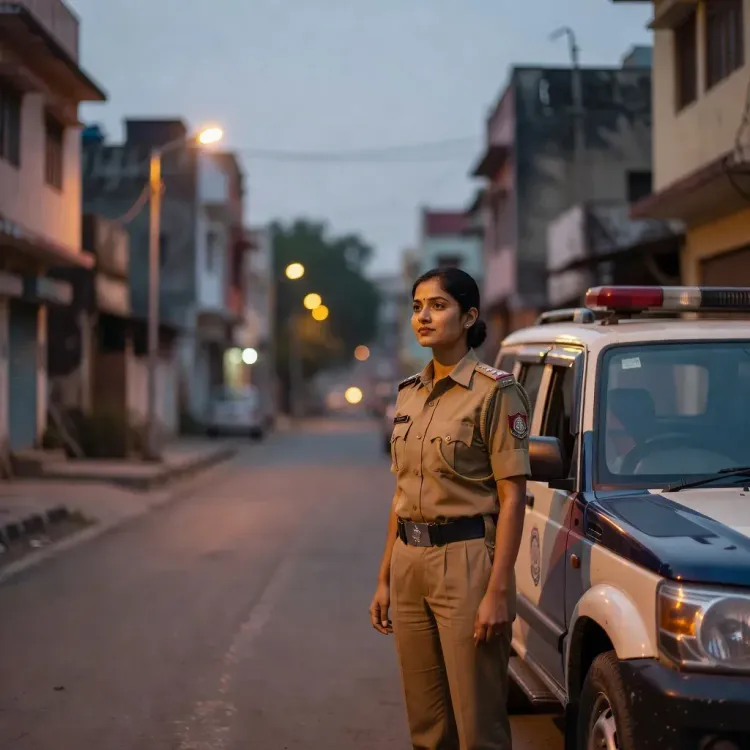
The Rajasthan CMO reaffirmed on 18 October 2026 that Kalika Patrolling Units are built for prevention — deterring crime, instilling fear of the law among anti-social elements, and fostering security and trust among women — not merely responding after incidents occur.
Key Takeaways
Kalika Patrolling Units are a Rajasthan Police initiative focused on preventive patrolling, not just post-incident enforcement.
Their stated three-fold mandate: crime prevention, deterrence of anti-social actors, and building confidence among women.
The BJP government under CM Bhajanlal Sharma has prioritised dedicated women's safety police mechanisms since taking office in December 2023 .
The initiative aligns with a broader national trend of state-level specialised patrol units for women's security active since the 2010s .
Expansion to more districts and release of crime-impact data by the Rajasthan Home Department are the key indicators to watch.
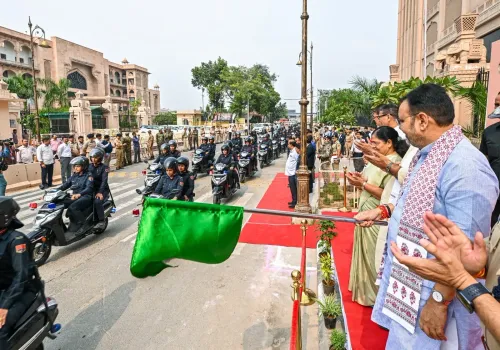
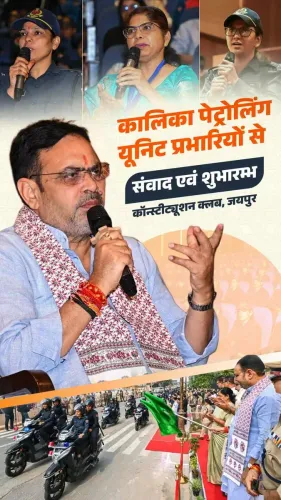
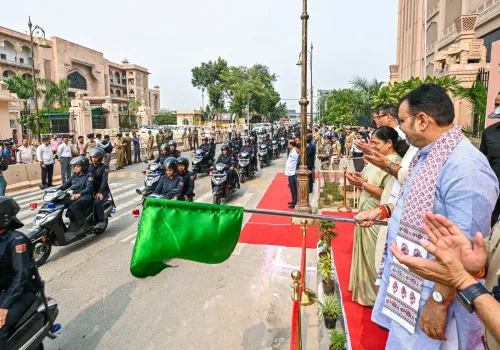
Before a crime happens — not after. That is the governing philosophy behind Rajasthan's Kalika Patrolling Units, which the Chief Minister's Office of Rajasthan highlighted on Sunday, 18 October 2026, reaffirming Chief Minister Bhajanlal Sharma's commitment to proactive policing across the state.
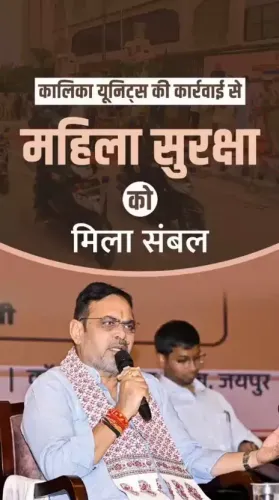
The CMO's post articulates the mandate plainly: 'Kalika Patrolling Units ka uddeshya kewal apradh hone ke baad karvai karna nahin' — the units exist not merely to respond to crime after the fact, but to deter it, instil fear of the law among anti-social elements, and build a genuine sense of security and confidence among women.
What Kalika Patrolling Units are designed to do
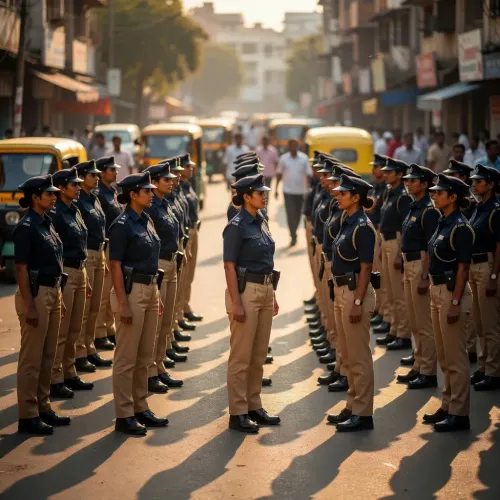
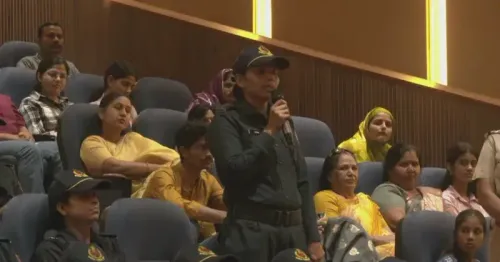
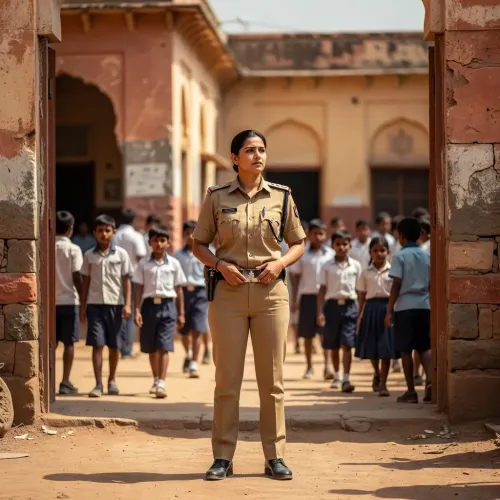
The units are a Rajasthan Police initiative structured around preventive patrolling rather than reactive enforcement. Their three-fold mission — crime prevention, deterrence of anti-social actors, and trust-building among women — represents a shift from traditional policing models that measure success primarily through arrests and case closures.
Across India, state governments have deployed specialised women-focused patrol units since the 2010s, a trend accelerated by national conversations around public safety. Rajasthan's Kalika units sit within that broader arc, with the current BJP administration framing proactive law-and-order as a signature governance priority since taking office in December 2023.
Bhajanlal government's law-and-order push since December 2023
When Bhajanlal Sharma led the BJP to victory in the 2023 Rajasthan assembly elections, law and order featured prominently in the party's pitch to voters. Dedicated police mechanisms for women's security were positioned as corrective action — a signal that the new government would treat public safety as non-negotiable infrastructure, not a campaign talking point.
The CMO's invocation of the hashtag #आपणो_अग्रणी_राजस्थान — loosely, 'Our Leading Rajasthan' — slots this update into the government's broader branding of Rajasthan as a state that governs ahead of the curve. The pairing of crime deterrence with women's confidence is deliberate: it frames police presence not as intimidation but as reassurance.
What comes next for Kalika Units
The key questions now are scale and accountability. Whether the units expand to additional districts, and whether the Rajasthan Home Department releases verifiable crime statistics or evaluation reports, will determine how this initiative moves from policy narrative to measurable outcome. A government that leads with prevention must eventually demonstrate the numbers that prove it.
For Rajasthan's women — in cities, towns, and the vast rural interior — the test of the Kalika units is simpler: does a patrol car on the street at night change whether they feel safe walking home?
Point of View
Distinct from the reactive crisis-management optics that often define state police narratives. For the Bhajanlal administration, women's safety is both genuine policy and political currency: a deliverable the BJP can hold up against its 2023 campaign commitments. The real test, however, is whether prevention-first rhetoric translates into independently verifiable reductions in crimes against women — without that data, the initiative risks being performance without proof.
NationPress
18 Oct 2026
Frequently Asked Questions
What are Kalika Patrolling Units in Rajasthan?
Kalika Patrolling Units are a Rajasthan Police initiative designed for preventive patrolling. Their goal is to deter crime before it occurs, instil fear of the law among anti-social elements, and build a sense of security and trust among women, rather than only responding after incidents happen.
Who launched Kalika Patrolling Units in Rajasthan?
The units are a Rajasthan Police initiative advanced under the BJP government led by Chief Minister Bhajanlal Sharma, which took office in December 2023 after winning the Rajasthan assembly elections.
What is the purpose of Kalika Patrolling Units?
Their three-fold purpose is crime prevention, deterring anti-social actors by making the law visible, and fostering confidence and a sense of safety among women in Rajasthan.
How does Rajasthan's women's safety policing compare to other states?
India has seen a rise in state-level specialised patrol and women-focused police units since the 2010s. Rajasthan's Kalika Units follow this broader national pattern of emphasising prevention and community trust over purely reactive policing.
What should we watch for regarding Kalika Patrolling Units?
Key indicators include whether the units expand to more districts across Rajasthan and whether the state Home Department releases crime statistics or evaluation reports showing their measurable impact on safety.