Rajasthan CM Bhajanlal: 220 Govt College Buildings Constructed
Synopsis
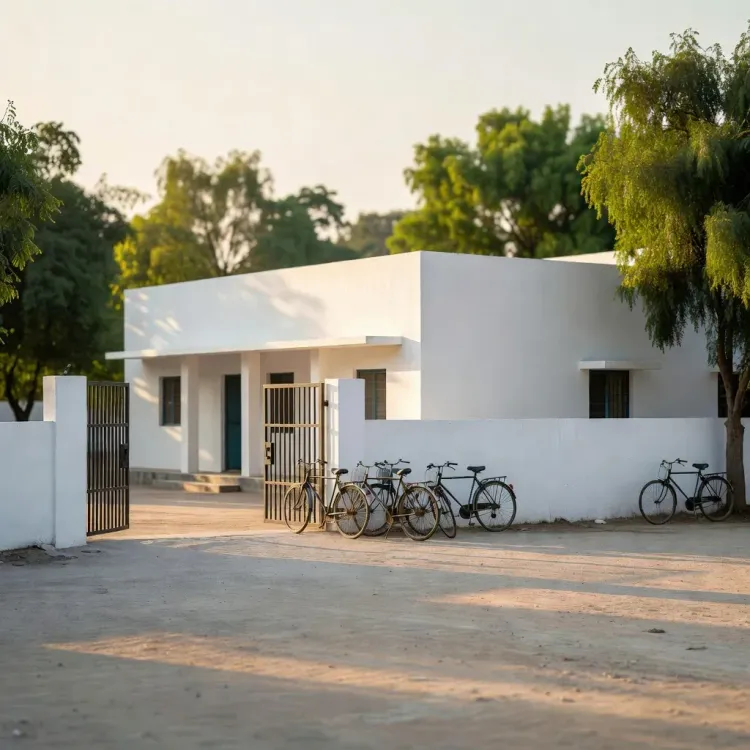
The Chief Minister's Office of Rajasthan declared on 20 October 2026 that the Bhajanlal Sharma government has constructed 220 government college buildings, marking a significant push to expand higher education infrastructure across the state's towns and rural districts.
Key Takeaways
220 government college buildings have been constructed by the Rajasthan government, according to the CMO's announcement on 20 October 2026 .
The milestone was announced by the office of Chief Minister Bhajanlal Sharma , who has led the state since December 2023 .
The announcement was made under the hashtag Aapno Agrani Rajasthan , the state government's branding for development initiatives.
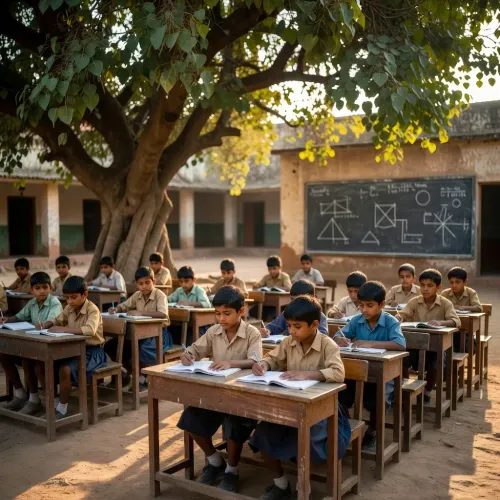
The construction drive aims to improve access to higher education in smaller towns and rural areas of Rajasthan.
Actual operationalisation, faculty deployment, and enrolment changes at these campuses remain the key benchmarks to watch.
Brick by brick, Rajasthan is rewriting its higher education map. The Chief Minister's Office of Rajasthan announced on Tuesday, 20 October 2026, that the state government has completed construction of 220 government college buildings — a milestone framed under the banner of Aapno Agrani Rajasthan ('Our Leading Rajasthan').
220 Buildings and What They Signal
The post, attributed to Chief Minister Bhajanlal Sharma's office, states plainly: 'The government has constructed 220 government college buildings.' For a state as geographically vast as Rajasthan — where students in Barmer, Jaisalmer, or the Shekhawati belt have historically had to travel long distances to reach a degree college — physical infrastructure is not a footnote. It is the difference between a student enrolling and a student dropping out.
Bhajanlal Sharma, who took charge as Chief Minister in December 2023 after the BJP's return to power in the state, has positioned education infrastructure as a visible deliverable. A dedicated building means a college is no longer squeezed into a rented or shared premises — it signals permanence, expanded capacity, and the ability to attract faculty.
Rajasthan's Long Push to Put Colleges Closer to Students
Expanding the physical footprint of government colleges in smaller towns and rural pockets has been a recurring priority across Rajasthan administrations of both major parties. The logic is straightforward: land and construction costs are manageable for the state exchequer, but the social return — first-generation college-goers, reduced gender gap in enrolment, local economic uplift — is disproportionately large.
The higher education department and state budget allocations will now be watched for follow-through: how many of the 220 buildings are fully operational, staffed, and equipped — and whether enrolment numbers in those districts move in the months ahead. A building completed is a headline; a building filling classrooms is the real test.
If the numbers hold up to scrutiny, 220 campuses represent a tangible infrastructural push that reaches communities where a government college was either absent or functioning out of temporary premises. Rajasthan has just raised its own bar.
Point of View
Photogenic deliverable ahead of any future electoral cycle — physical infrastructure is the easiest form of governance to communicate to voters. The move fits a broader BJP pattern of using bricks-and-mortar milestones to anchor its education narrative at the state level. However, infrastructure without commensurate investment in faculty, labs, and internet connectivity risks becoming a hollow metric; the true policy test will be whether enrolment and outcomes in newly built campuses improve measurably. Rajasthan's higher education expansion will only matter at scale if these buildings translate into genuine access for first-generation learners in the state's vast hinterland.
NationPress
20 Oct 2026
Frequently Asked Questions
How many government college buildings has the Rajasthan government constructed?
The Chief Minister's Office of Rajasthan announced on 20 October 2026 that the state government has completed construction of 220 government college buildings .
Who is the Chief Minister of Rajasthan in 2026?
Bhajanlal Sharma is the Chief Minister of Rajasthan. He assumed office in December 2023 after the BJP won the state assembly elections.
What is 'Aapno Agrani Rajasthan'?
Aapno Agrani Rajasthan — meaning 'Our Leading Rajasthan' — is the state government's campaign branding used to highlight development and governance achievements under the Bhajanlal Sharma administration.
Why is college building construction important in Rajasthan?
Rajasthan is a large state with many remote towns and rural areas where students previously had to travel significant distances to reach a degree college. Building dedicated college campuses increases local access, supports enrolment, and helps retain students — especially women and first-generation learners.
What should we watch for after 220 college buildings are completed in Rajasthan?
The key indicators to track include how many of the 220 buildings are fully operational with adequate faculty and facilities, and whether student enrolment numbers in those districts increase in the coming academic years.