Rajasthan CM plans school building revival with modern facilities
Synopsis
The Chief Minister's Office of Rajasthan announced on 25 September 2026 that the Bhajan Lal Sharma government will renovate government school buildings and expand modern amenities statewide, aiming to raise education standards across the state.
Key Takeaways
The Chief Minister's Office of Rajasthan announced on 25 September 2026 that the state government will renovate school buildings across Rajasthan.
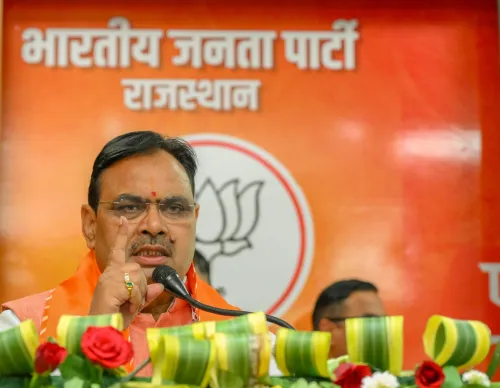
Chief Minister Bhajan Lal Sharma has been tagged in the announcement, signalling direct political ownership of the initiative.
The programme commits to both structural renovation and expansion of modern facilities — framed as a dual effort to raise education standards.
The national Samagra Shiksha Abhiyan (launched 2018 ) provides a central-funding framework Rajasthan has previously used for similar school-infrastructure work.
No specific budget figures, timelines, or named schemes were announced; district-wise details are expected in future education department communications.
Government-school students in rural Rajasthan and local school management committees are the primary direct beneficiaries.
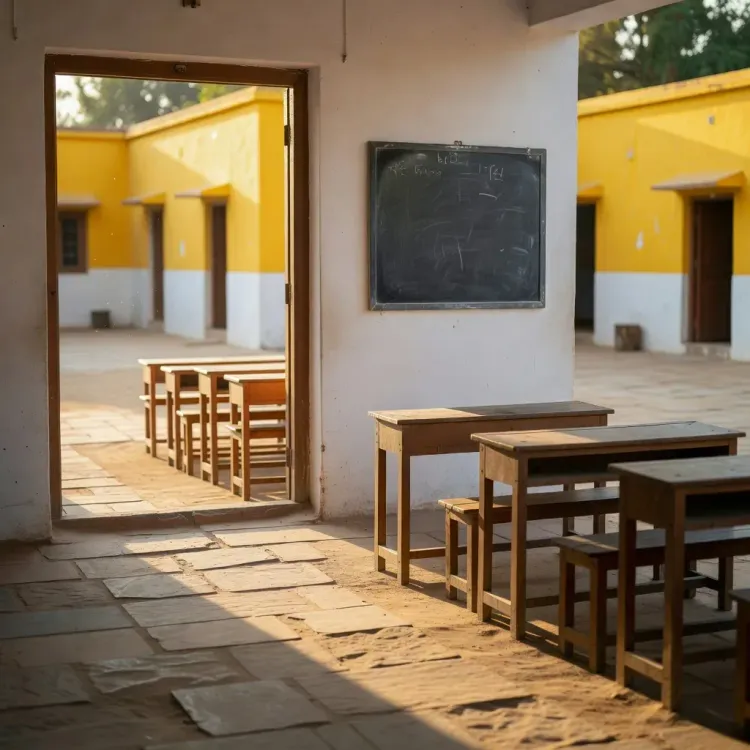
Rajasthan's government school classrooms are set for a structural and technological overhaul — and Chief Minister Bhajan Lal Sharma has made it official. The Chief Minister's Office of Rajasthan announced on Friday, 25 September 2026 that the state government will renovate school buildings across the state while simultaneously expanding modern amenities within them, framing the move as central to raising the overall standard of education in Rajasthan.
The post, tagged with the hashtag #आपणो_अग्रणी_राजस्थान ('Our Pioneering Rajasthan'), states: 'The state government will renovate school buildings in the state and also expand modern facilities in them, in order to further improve the standard of education.' The dual commitment — structural revival alongside modern infrastructure — signals that the push goes beyond cosmetic repairs.
What 'renovation plus modernisation' actually means for government schools
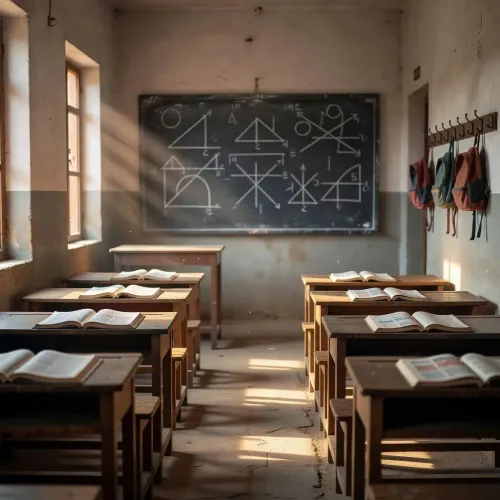
Rajasthan runs one of India's largest networks of government schools, spread heavily across its vast rural belt. Over successive administrations, physical deterioration — crumbling classrooms, inadequate sanitation, absent digital infrastructure — has been a persistent drag on enrolment and learning outcomes. The current announcement tracks a well-worn administrative pattern: pairing building repairs with facility upgrades such as digital classrooms and functional sanitation blocks.
The national Samagra Shiksha Abhiyan, launched in 2018, provides a central-funding pipeline that states including Rajasthan have used to finance exactly this kind of school-infrastructure work. Whether the Sharma government will draw primarily on that framework, allocate fresh state-budget funds, or launch a dedicated named scheme has not yet been specified in the announcement.
Sharma government's education agenda since December 2023
Bhajan Lal Sharma took office as Chief Minister in December 2023 following the BJP's assembly election victory in Rajasthan. School infrastructure had featured in the party's campaign narrative, and this announcement signals an intent to translate that commitment into administrative action. Rural school management committees and the state's large population of government-school students — concentrated in districts where private alternatives are scarce — stand as the most direct stakeholders.
The key details that will determine the programme's scale — district-wise school lists, fund allocation, and implementation timelines — are expected to emerge through state budget documents or education department circulars. Watch those for the real measure of ambition.
Point of View
On-the-ground delivery in public education, a sector where opposition parties in Rajasthan have historically found traction. The absence of a named scheme or budget figure is, itself, telling — it keeps options open while claiming the headline. The real test will come when the education department publishes its school-wise list and the state budget reveals the actual allocation.
NationPress
25 Sept 2026
Frequently Asked Questions
What did the Rajasthan government announce about schools on 25 September 2026?
The Chief Minister's Office of Rajasthan announced that the state government will renovate government school buildings across the state and expand modern facilities in them to improve education standards.
Which scheme funds school infrastructure upgrades in Rajasthan?
The Samagra Shiksha Abhiyan, a national programme launched in 2018, provides central funding to states including Rajasthan for school building repairs and facility upgrades such as digital classrooms and sanitation blocks.
What modern facilities are expected in Rajasthan government schools?
While the announcement did not specify exact amenities, the broader pattern for such programmes in Rajasthan includes digital classrooms, improved sanitation facilities, and general structural repairs to school buildings.
Who is Bhajan Lal Sharma and when did he become Rajasthan CM?
Bhajan Lal Sharma is a BJP politician who has served as Chief Minister of Rajasthan since December 2023, following the party's victory in the state assembly elections.
How many government schools does Rajasthan have?
Rajasthan operates one of India's largest government school networks, particularly concentrated in rural and semi-urban areas, though no specific figure was cited in this announcement.