Rajasthan civic polls: Horse-trading allegations heat up board formation race
Synopsis
Rajasthan's civic polls are technically over — but the real power contest is just beginning. With BJP and Congress both short of clear majorities in several municipalities, Independent councillors are now fielding offers reportedly as high as ₹2.5 crore per vote. Alleged abductions, midnight protests, hunger strikes and police clashes have made board formation as dramatic as the election itself.
Key Takeaways
Neither BJP nor Congress secured outright majorities in several Rajasthan Urban Local Bodies , making Independent councillors decisive.
Former Chief Minister Ashok Gehlot alleged BJP members offered ₹1.5 crore to ₹2.5 crore per councillor to switch sides — claims the BJP has rejected.
Congress state president Govind Singh Dotasra alleged police and administrative machinery were being used to pressure councillors.
In Karauli , an FIR was filed over the alleged abduction of Congress councillor Usman Khan ; Khan later denied being abducted.
Protests, police clashes in Degana and a hunger strike by Congress MLA Bhimraj Bhati in Pali reflect mounting ground-level tensions.
Elections for municipal mayors and chairpersons are imminent, leaving parties limited time to consolidate numbers.
With ballot boxes sealed and results declared, Rajasthan's Urban Local Body elections have entered their most volatile phase — the battle for board formation. Neither the Bharatiya Janata Party (BJP) nor the Indian National Congress secured outright majorities in several municipalities, turning Independent councillors into kingmakers whose support could decide who controls mayoral and chairperson posts across the state.
Gehlot's Horse-Trading Allegations
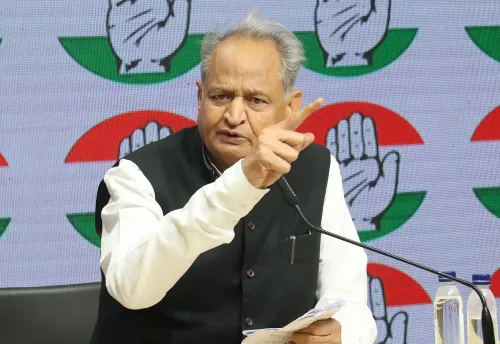
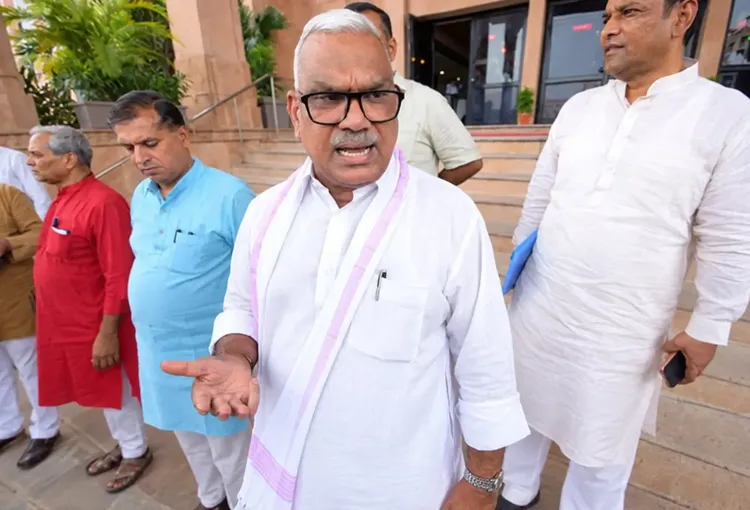
Former Chief Minister Ashok Gehlot on Thursday, 18 September 2026, accused the ruling BJP of attempting to poach newly-elected councillors through financial inducements and political pressure. Gehlot alleged that BJP members were offering between ₹1.5 crore and ₹2.5 crore per councillor to swing allegiances, and that state ministers had been strategically deployed to facilitate what he described as 'horse-trading'. He questioned the logic of spending such sums to secure municipal positions, arguing it could undermine local governance itself. The allegations have not been independently established.
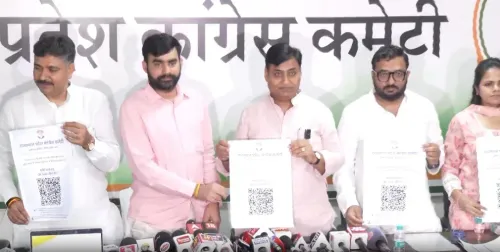
Congress state president Govind Singh Dotasra went further, alleging that police and administrative machinery were being used to pressure Independent and Opposition councillors into backing the BJP.
BJP's Counter and Political Temperature
Rajasthan Minister Jawahar Singh Bedham rejected the Congress' charges outright, calling them politically motivated. The BJP and other party leaders have denied any misuse of government machinery or financial inducements, turning the dispute into a fresh front in the ongoing rivalry between the two parties. The competing claims have yet to be tested by independent evidence or formal proceedings, but they have already sharpened the political atmosphere surrounding board formation.
Ground-Level Incidents Add to the Tension
The intensity of the struggle is visible beyond press conferences. In Karauli, an FIR was registered over the alleged abduction of newly-elected Congress councillor Usman Khan, with several former MLAs named in the complaint. Police later located Khan — who then released a video denying any abduction, stating he had returned of his own accord and was not under any pressure. The episode, while unresolved in its competing accounts, drew national attention to the fragile post-election environment.
In Degana, Congress workers staged a late-night protest against the nomination process for the Municipal Council chairperson's post. A confrontation with police followed, and Block Congress President Prakash Kunkuna was arrested. Congress workers alleged a lathi-charge was used to disperse them. In Pali, Congress MLA Bhimraj Bhati announced an indefinite hunger strike over what he described as an assault on his brother and deteriorating law and order. The Congress also raised objections over its chairperson candidate in Duni municipality in Tonk.
The Numbers That Decide Everything
The BJP emerged as the largest party across a substantial number of Urban Local Bodies, giving it a strong base to negotiate board formation. The Congress controls several councils outright but faces the challenge of retaining its own councillors while courting Independents in closely-contested municipalities. Independents, who may have won just a single ward each, now hold leverage disproportionate to their mandate — their collective support can deliver or deny control of an entire municipal board to either party.
This creates what is effectively a second election — fought not before the public, but inside newly-constituted councils, with time running out before the formal elections for mayors and chairpersons.
What Comes Next
The clock is ticking for both parties. The BJP must translate its electoral lead into confirmed board majorities before defections or last-minute shifts can erode its position. The Congress must defend its organisational base and keep its councillors together. For Independent councillors, the coming days will determine whether their ward-level wins give them a lasting voice in municipal governance or are absorbed into one of the two larger camps. The allegations of money and pressure will ultimately be judged against evidence and official proceedings — but the underlying arithmetic is already reshaping the political landscape of Rajasthan's towns and cities.
Point of View
But its political function is clear: it frames the post-election contest as a corruption story, not a coalition story, and puts the BJP on the defensive before a single board has been formed. What is undeniable is that hung municipal councils create precisely the conditions — prolonged uncertainty, dispersed leverage, private negotiations — that make such allegations both plausible and difficult to disprove. The Congress, which lost the 2023 assembly election in Rajasthan, is using the civic poll aftermath to rebuild its opposition credentials; every incident in Karauli or Degana becomes a national data point in that narrative. The deeper issue is structural: India's municipal governance law does not adequately guard against post-election horse-trading, and Rajasthan is once again exposing that gap.
NationPress
18 Sept 2026
Frequently Asked Questions
What is the current political situation after Rajasthan civic polls 2026?
After the election of councillors in Rajasthan's Urban Local Bodies, neither BJP nor Congress secured clear majorities in several municipalities. The focus has now shifted to board formation, where Independent councillors hold the balance of power and both parties are competing intensely to assemble the numbers needed to elect mayors and chairpersons.
What are Ashok Gehlot's horse-trading allegations against the BJP?
Former Chief Minister Ashok Gehlot alleged on 18 September 2026 that BJP members were offering between ₹1.5 crore and ₹2.5 crore to newly-elected councillors to switch allegiance, and that ministers had been positioned to facilitate this. The BJP has denied all charges; the allegations have not been independently established.
What happened in Karauli during the board formation period?
An FIR was filed alleging the abduction of newly-elected Congress councillor Usman Khan, with several former MLAs named in the complaint. Police located Khan, who subsequently released a video denying any abduction, saying he returned of his own free will and was not under pressure.
Why do Independent councillors hold so much power in Rajasthan right now?
Because neither major party has a majority in many municipal councils, Independents — even those who won only a single ward — can collectively determine which party controls the entire board. This gives them leverage far beyond their individual mandates, making them the central targets of both BJP and Congress outreach.
When will mayors and chairpersons be elected in Rajasthan?
The elections for municipal mayors and chairpersons are imminent, with both parties racing against time to lock in the numbers needed for a majority. The exact schedule is being closely watched as the board formation battle continues to intensify.