Rajasthan CM Bhajan Lal Sharma Rallies Youth for State Campaign
Synopsis
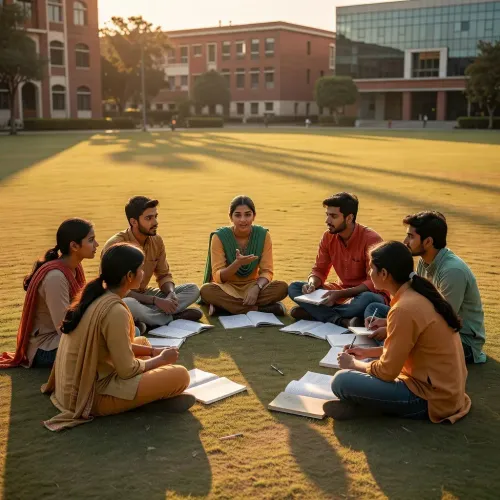
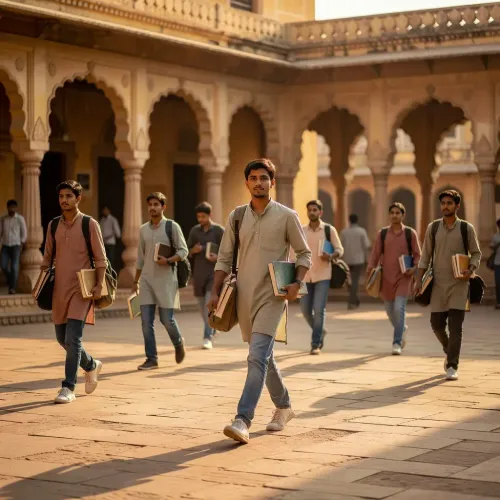
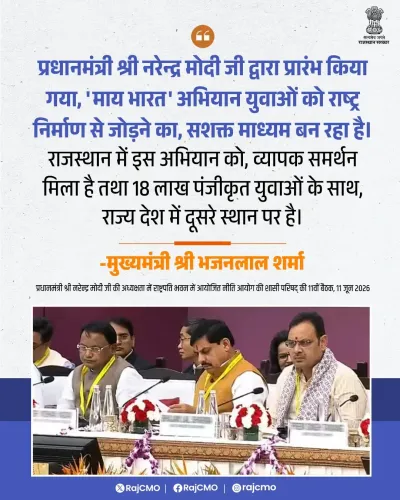
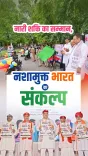
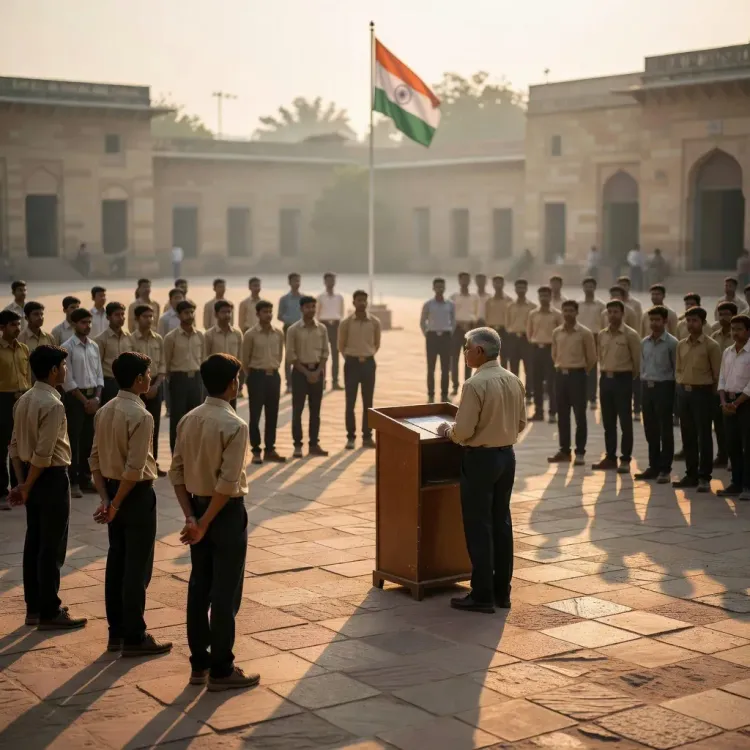
The Chief Minister's Office of Rajasthan announced that NSS volunteers, My Bharat volunteers, youth clubs, schools, colleges, universities, and social and spiritual organisations are actively participating in a state-wide campaign championed by CM Bhajan Lal Sharma under the banner of 'Aapno Agrani Rajasthan'.
Key Takeaways
The Chief Minister's Office of Rajasthan posted on August 3, 2026 , tagging CM Bhajan Lal Sharma , on a state-wide campaign.
My Bharat volunteers and National Service Scheme (NSS) volunteers are among the key participating groups.
Schools, colleges, universities, youth clubs , and social and spiritual organisations are all named as active participants.
The NSS has operated as a student community-service platform since 1969 ; Mera Yuva Bharat was launched in 2023 as a central government youth volunteer network.
The campaign carries the hashtag #आपणो_अग्रणी_राजस्थान , translating to 'Our Rajasthan, the Forerunner'.
The initiative reflects CM Sharma's broader governance approach of mobilising civil society and youth in state programmes since taking office in December 2023 .
From school corridors to university campuses, Rajasthan is mobilising a wide coalition of young volunteers under a state-wide campaign — and the Chief Minister's Office of Rajasthan wants the country to see the scale of it. On Monday, August 3, 2026, the CMO posted on X tagging Chief Minister Bhajan Lal Sharma, highlighting the breadth of institutional participation driving the initiative forward.
The post, carrying the hashtag #आपणो_अग्रणी_राजस्थान ('Our Rajasthan, the Forerunner'), names an expansive roster of participants: My Bharat volunteers, National Service Scheme (NSS) volunteers, youth clubs, schools, colleges, universities, and social and spiritual organisations. The message is deliberate — this is not a government programme running on bureaucratic rails, but one drawing active participation from civil society.
NSS and My Bharat: Two Pillars of Youth Mobilisation
The National Service Scheme, established in 1969, has long served as the backbone of student community service across India, integrating millions of college and university students into public welfare activities. Alongside it, Mera Yuva Bharat — a central government platform launched in 2023 — has created a new digital-first volunteer network designed to channel youth energy into national and state-level campaigns.
Together, these two platforms give Rajasthan's campaign both institutional depth and grassroots reach. The inclusion of spiritual and social organisations alongside formal educational bodies signals a broader civic compact — one that extends well beyond the classroom.
BJP Rajasthan's Pattern: Governance Through Participation
Chief Minister Bhajan Lal Sharma, who took office on December 25, 2023, has consistently positioned his administration around the idea of participatory governance — bringing youth, civil society, and community networks into the delivery of state programmes. This post fits squarely within that template.
The specific campaign referenced remains unnamed in the post, but the coalition it has assembled — spanning formal education, voluntary service schemes, and community organisations — points to an initiative of considerable ambition. Whether the outcomes match the mobilisation will be the real measure.
Rajasthan has shown that when it wants to move fast, it reaches for its youngest volunteers first. The question now is what this coalition is being asked to build.
Point of View
Which is a classic pre-election governance optic. By yoking together NSS, Mera Yuva Bharat, and spiritual organisations under a single campaign banner, the BJP administration is building a narrative of inclusive, participatory governance that cuts across institutional lines. The hashtag 'Aapno Agrani Rajasthan' — 'Our Rajasthan, the Forerunner' — frames the state as a model, not just a participant, in national development. The real test will come when specific outcomes of this mobilisation are made public.
NationPress
3 Aug 2026
Frequently Asked Questions
What is the Aapno Agrani Rajasthan campaign?
'Aapno Agrani Rajasthan' translates to 'Our Rajasthan, the Forerunner' and is a state-level campaign under Chief Minister Bhajan Lal Sharma that engages youth volunteers, educational institutions, and civil society organisations in state development activities.
Who is Bhajan Lal Sharma?
Bhajan Lal Sharma is the Chief Minister of Rajasthan from the Bharatiya Janata Party, sworn into office on December 25, 2023.
What is Mera Yuva Bharat or My Bharat?
Mera Yuva Bharat is a central government initiative launched in 2023 to engage Indian youth through a digital volunteer platform, channelling participation into national and state-level community programmes.
What is the National Service Scheme (NSS)?
The National Service Scheme is a voluntary community-service programme for students in India, established in 1969, which integrates school and college students into public welfare and social responsibility activities.
Which organisations are participating in the Rajasthan youth campaign?
According to the Rajasthan CMO, participants include My Bharat volunteers, NSS volunteers, youth clubs, schools, colleges, universities, and social and spiritual organisations across the state.