Rajasthan CM Bhajanlal: 569 arrested in paper leak crackdown
Synopsis
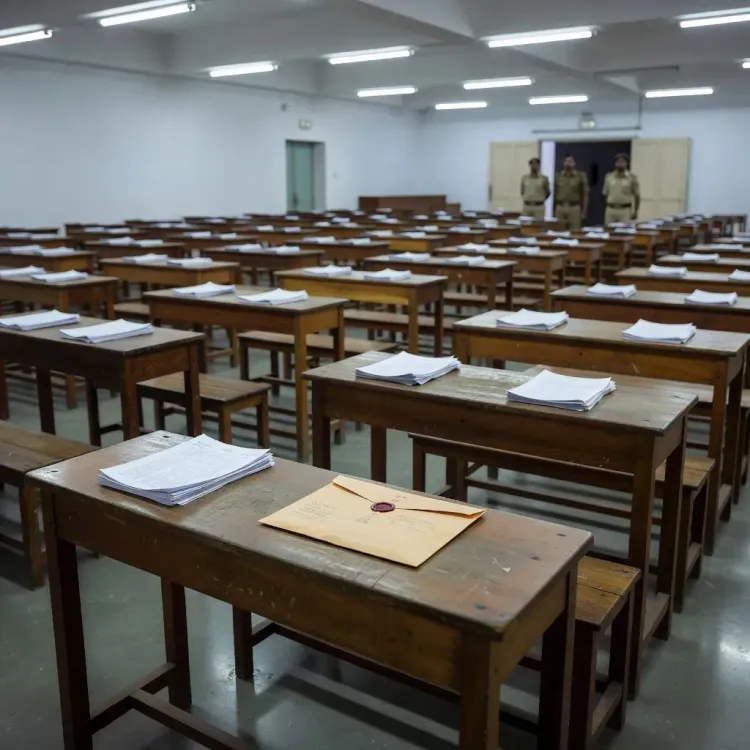
The Rajasthan government has arrested 569 accused in paper leak cases, the Chief Minister's Office announced on 20 October 2026. CM Bhajanlal Sharma's BJP administration has made dismantling organised exam-fraud networks a governance priority since taking office in December 2023.
Key Takeaways
569 arrests made by the Rajasthan government in paper leak cases, as announced by the CMO on 20 October 2026 .
Chief Minister Bhajanlal Sharma (BJP) has been in office since December 2023 and has prioritised cracking down on exam fraud networks.
Rajasthan has faced recurring paper leak scandals in state-level competitive and teacher eligibility exams since at least 2021 .
Earlier responses included SIT probes , cancellation of compromised exams, and legislative changes targeting leak syndicates.
The next critical milestones are court convictions and structural reforms to prevent future leaks in exam delivery systems.
Rajasthan's war on examination fraud has a new number attached to it — and it is striking. The Chief Minister's Office of Rajasthan announced on Tuesday, 20 October 2026 that the state government has arrested 569 accused in connection with paper leak cases, signalling an intensifying enforcement drive under Chief Minister Bhajanlal Sharma.
The arrest toll and what it signals
The CMO's post — shared under the hashtag #आपणो_अग्रणी_राजस्थान ('Our Leading Rajasthan') — frames the figure as a measure of decisive governance. A count of 569 arrests across paper leak investigations is not a routine policing update; it reflects a sustained, systematic sweep of the networks that have repeatedly sabotaged Rajasthan's competitive examinations.
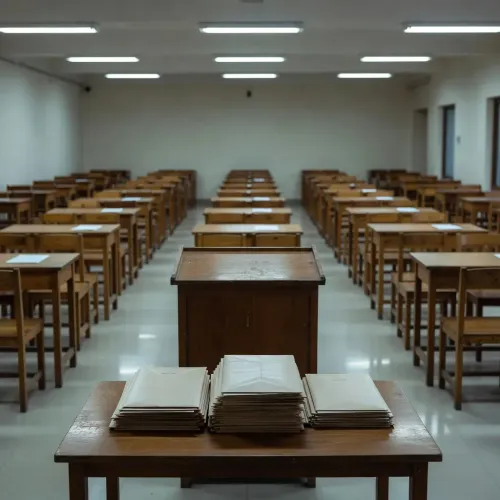
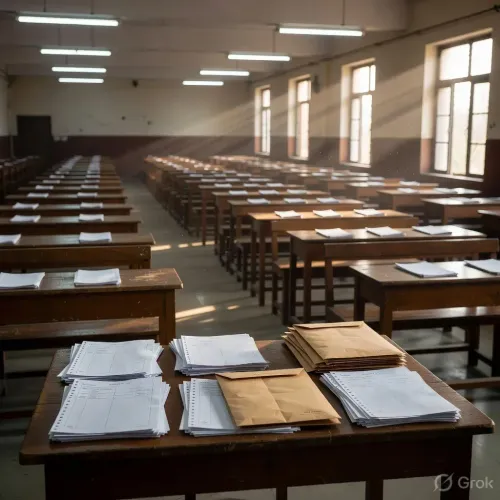
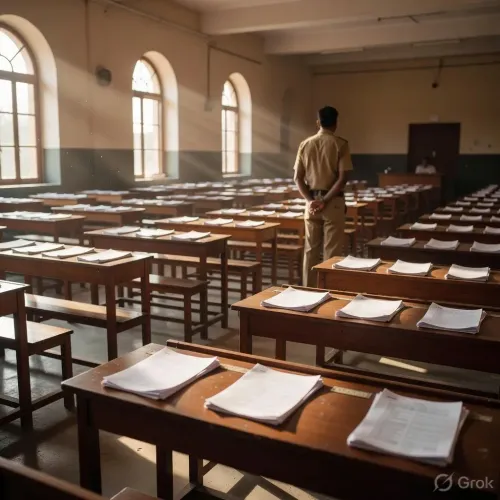
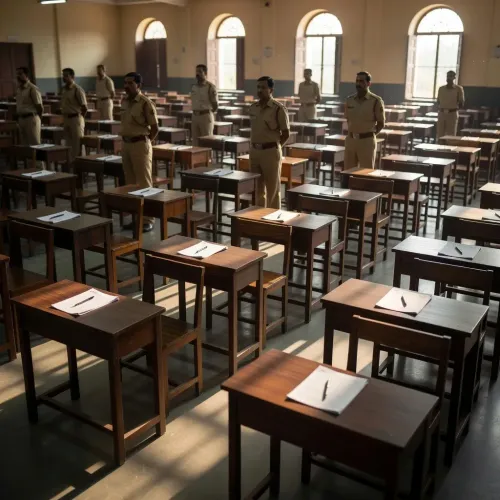
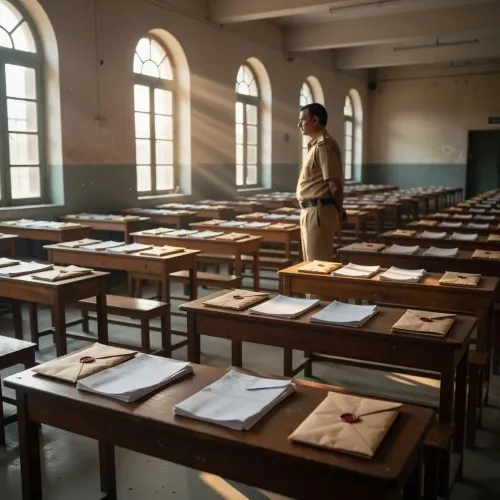
Rajasthan has battled organised paper-leak syndicates across several state-level recruitment and eligibility exams since at least 2021. The leaks triggered widespread public protests, with thousands of aspirants losing months — sometimes years — of preparation overnight. Successive administrations have responded with Special Investigation Teams (SITs), exam cancellations, and legislative overhauls aimed at dismantling leak networks at the root.
Bhajanlal Sharma's BJP government inherits and accelerates the crackdown
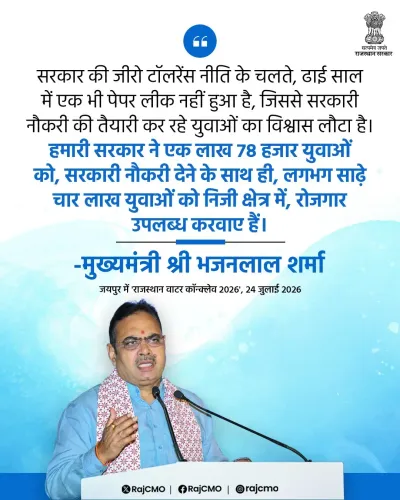
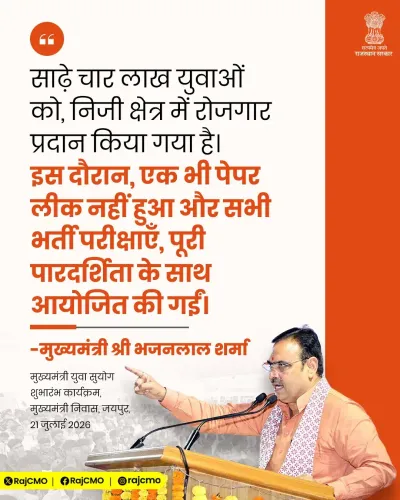
Chief Minister Bhajanlal Sharma, who took office in December 2023 as the BJP returned to power in Rajasthan, inherited an examination ecosystem already scarred by multiple high-profile leaks — most notably in teacher eligibility tests like REET. His administration has positioned tough enforcement on paper leaks as a central governance promise to the state's large population of exam aspirants.
The 569-arrest figure, presented cumulatively, suggests the crackdown spans multiple cases and not a single episode. For the lakhs of students who sit Rajasthan's state exams each year, it is a pointed message: the pipeline of leaked question papers is being disrupted, and those who profit from it are facing legal consequences.
What comes next for the accused — and for exam security
Arrests are one chapter; convictions are another. The real test for the administration lies in pushing these 569 cases through a court system that has historically seen such prosecutions stall. Alongside the legal proceedings, observers will watch for new structural measures — stricter printing-and-distribution protocols, digital question-paper delivery, or dedicated examination-security legislation — that can make future leaks structurally harder to execute.
Rajasthan's exam aspirants have waited long enough for a system they can trust. The numbers are climbing; now the trials must follow.
Point of View
Turning paper leak enforcement into a visible, quantified campaign is smart optics. The deeper test, however, is judicial: if prosecutions stall or accused are acquitted on procedural grounds, the headline arrest count could become a liability. Rajasthan's trajectory will be watched closely by other states grappling with similar exam-fraud crises as a case study in whether punitive enforcement alone can restore institutional trust in public recruitment.
NationPress
20 Oct 2026
Frequently Asked Questions
How many people have been arrested in Rajasthan paper leak cases?
The Rajasthan government has arrested 569 accused in paper leak cases, according to an announcement by the Chief Minister's Office on 20 October 2026 .
Which exams were affected by paper leaks in Rajasthan?
Rajasthan has seen paper leaks across multiple state-level competitive and recruitment exams since at least 2021 , with teacher eligibility tests like REET among the most prominently affected.
What action has the Bhajanlal Sharma government taken on paper leaks?
Since coming to power in December 2023 , Chief Minister Bhajanlal Sharma 's BJP government has pursued arrests, SIT investigations, and legal proceedings against those involved in paper leak networks across the state.
What is the hashtag #आपणो_अग्रणी_राजस्थान?
#आपणो_अग्रणी_राजस्थान translates to 'Our Leading Rajasthan' and is used by the Rajasthan government and CM's Office to brand governance milestones and development initiatives under the current administration.
Will those arrested in Rajasthan paper leak cases face trial?
With 569 arrests made, the cases now move toward prosecution. Legal observers note that securing convictions and pushing trials to completion will be the key next step in delivering accountability beyond the arrest stage.