Rajasthan CM hails HPCL Refinery launch as state milestone
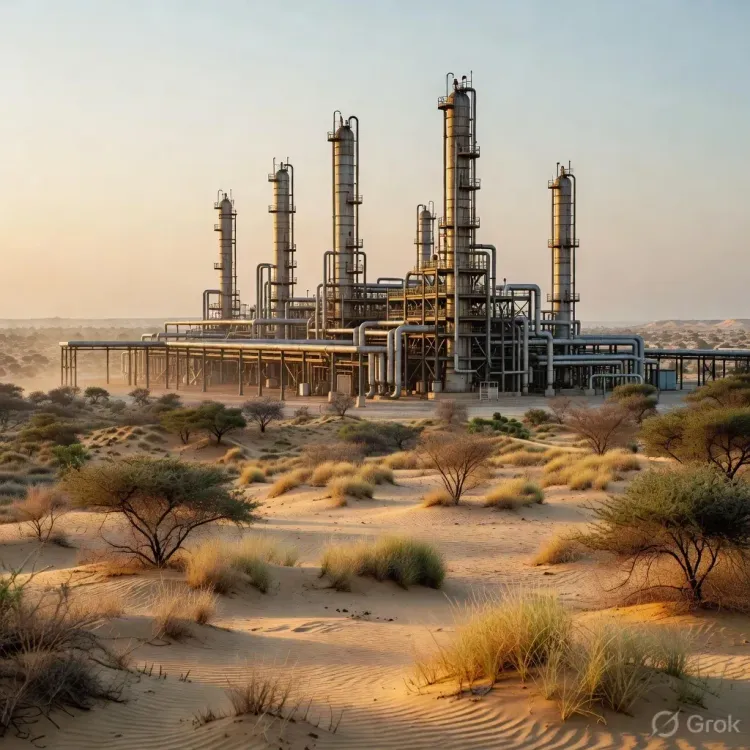
Synopsis
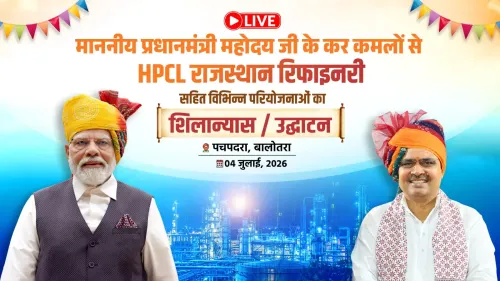
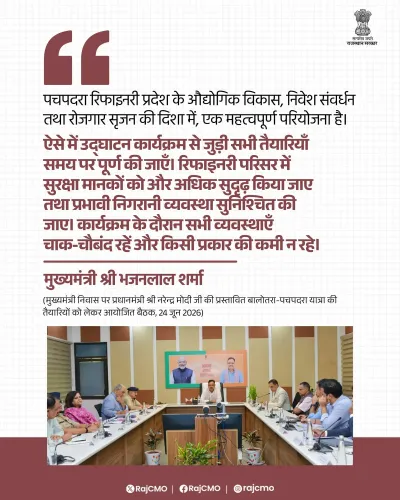
The Chief Minister's Office of Rajasthan has declared the commissioning of the HPCL Rajasthan Refinery at Pachpadra, Barmer a milestone for the state's progress. The 9 MMTPA joint venture between HPCL and the Rajasthan government received central approval in 2013, making its start a resolution to over a decade of planning.
Key Takeaways
The Chief Minister's Office of Rajasthan announced on 19 August 2026 that the HPCL Rajasthan Refinery has commenced operations.
The refinery is located at Pachpadra, Barmer district and is a joint venture between HPCL and the Government of Rajasthan .
The plant has a designed capacity of 9 million metric tonnes per annum (MMTPA) of crude oil.
Central government in-principle approval for the project dates to 2013 , making commissioning the result of over 13 years of development.
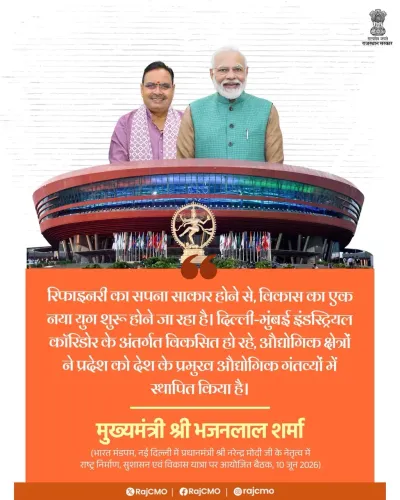
Chief Minister Bhajanlal Sharma (BJP) was tagged in the announcement, with the CMO calling the start a 'milestone for Rajasthan's progress.' The project supports India's push to expand domestic refining capacity beyond coastal facilities and into the country's western interior.
A refinery years in the making has finally come alive in the desert west of Rajasthan — and the state's top office is calling it a turning point. The Chief Minister's Office of Rajasthan declared on Wednesday, 19 August 2026 that the commissioning of the HPCL Rajasthan Refinery marks a milestone in the state's progress, tagging Chief Minister Bhajanlal Sharma in the announcement.
The post, carrying the hashtag #आपणो_अग्रणी_राजस्थान ('Our Leading Rajasthan'), framed the refinery's start as a landmark moment: 'एचपीसीएल राजस्थान रिफाइनरी शुरू होना, राजस्थान की प्रगति के लिए मील का पत्थर है' — 'The commencement of the HPCL Rajasthan Refinery is a milestone for the progress of Rajasthan.'
Barmer's long wait: from crude fields to a refinery
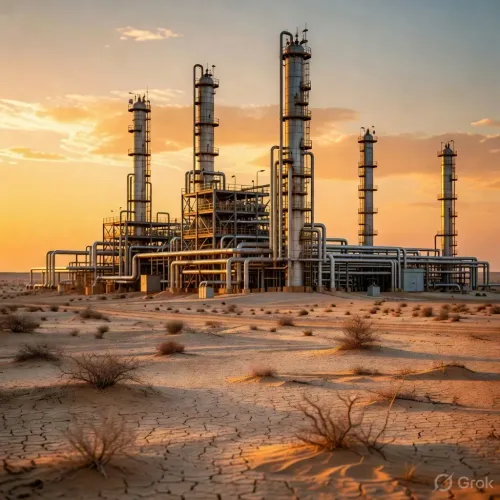
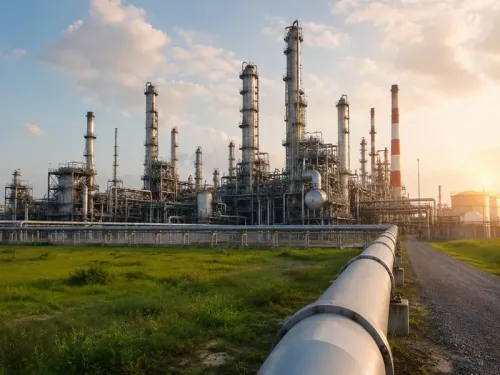
The plant sits at Pachpadra in Barmer district — western Rajasthan's oil-rich belt that has supplied crude for years without the infrastructure to process it locally. The HPCL Rajasthan Refinery is a joint venture between Hindustan Petroleum Corporation Ltd (HPCL) and the Government of Rajasthan, designed to process 9 million metric tonnes per annum (MMTPA) of crude oil. In-principle central government approval came as far back as 2013, making the commissioning a resolution to more than a decade of planning, financing negotiations, and construction.
For Barmer's communities and petroleum-sector workers, the plant represents local economic gravity — jobs, ancillary industry, and a supply chain anchored to the district rather than routed to distant coastal facilities.
Rajasthan's downstream push and India's refining ambition
The refinery fits squarely into a larger national story. India has been pushing to expand domestic refining capacity and reduce dependence on coastal mega-refineries, and locating a 9 MMTPA facility in the landlocked west diversifies that geography. For Rajasthan specifically, successive state governments have sought to move the economy beyond mining and agriculture — and downstream petroleum infrastructure is the most direct lever available in the western districts where crude already flows.
Chief Minister Bhajanlal Sharma, in office since December 2023, inherits a project whose roots predate his tenure by a decade. The commissioning under his watch gives the BJP-led government a concrete industrial deliverable to point to — one with visible, physical scale.
The next markers to watch: crude processing trials moving toward full commercial throughput, and any official announcement of sustained commercial production volumes. A refinery that starts is not yet a refinery at capacity — but the start is the hardest part.
Point of View
Handing the BJP a tangible deliverable ahead of any future electoral cycle. The CMO's framing of it as a 'milestone for Rajasthan's progress' signals an intent to own the narrative around downstream energy infrastructure in the state. More broadly, the plant advances India's quiet but consistent push to decentralise refining capacity away from coastal hubs. Whether the government can sustain that narrative depends entirely on how quickly the refinery moves from commissioning to full commercial throughput.
NationPress
19 Aug 2026
Frequently Asked Questions
What is the HPCL Rajasthan Refinery and where is it located?
The HPCL Rajasthan Refinery is a joint venture between Hindustan Petroleum Corporation Ltd and the Government of Rajasthan, located at Pachpadra in Barmer district, western Rajasthan. It is designed to process 9 million metric tonnes of crude oil per annum.
When did the HPCL Rajasthan Refinery project get approved?
The project received in-principle approval from the central government in 2013, making the 2026 commissioning the culmination of over a decade of planning and development.
Who is Bhajanlal Sharma and what is his role in the refinery announcement?
Bhajanlal Sharma is the Chief Minister of Rajasthan from the BJP, in office since December 2023. The Chief Minister's Office tagged him in the announcement celebrating the refinery's commissioning as a milestone for the state.
Why is the Rajasthan refinery significant for the state's economy?
Barmer district has long produced crude oil without local processing capacity. The refinery anchors downstream petroleum infrastructure in western Rajasthan, creating jobs and ancillary industry while helping diversify the state's economy beyond mining and agriculture.
What does the HPCL Rajasthan Refinery mean for India's refining capacity?
The 9 MMTPA plant adds to India's domestic refining capacity and helps reduce dependence on coastal refineries, supporting the country's broader push to expand and geographically diversify its petroleum processing infrastructure.