Rajasthan CM invokes Navratri to champion women's safety
Synopsis
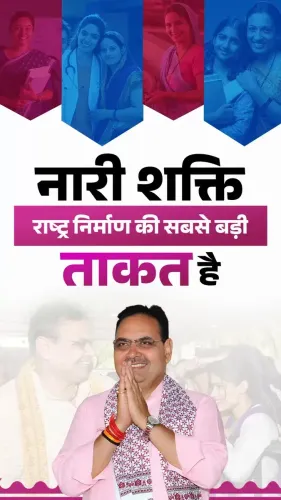
On Navratri 2026, the Rajasthan Chief Minister's Office, tagging CM Bhajan Lal Sharma, posted that the festival's core teaching is to place women's honour and safety above all — linking cultural tradition to a live social priority.
Key Takeaways
The Chief Minister's Office of Rajasthan posted a Navratri message on October 19, 2026 tagging CM Bhajan Lal Sharma .
The post frames Navratri — the nine-night festival of feminine divine worship — as a lesson in prioritising women's respect and safety.
The hashtag #आपणो_अग्रणी_राजस्थान ('Our Leading Rajasthan') links the message to the BJP government's state-branding narrative.
Bhajan Lal Sharma has led Rajasthan as Chief Minister since December 2023 following the BJP's state election victory.
BJP-led state governments in India have increasingly used festival occasions to reinforce women's safety messaging in cultural terms without announcing new schemes.
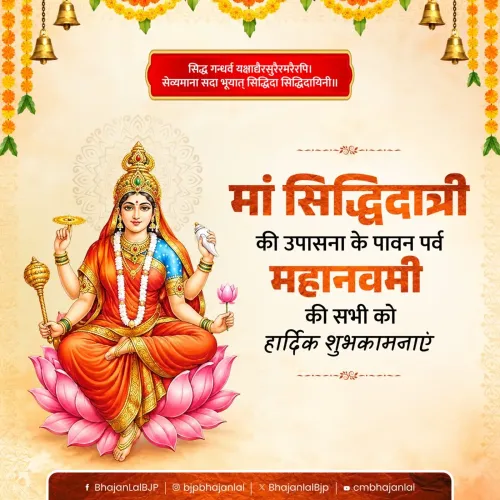
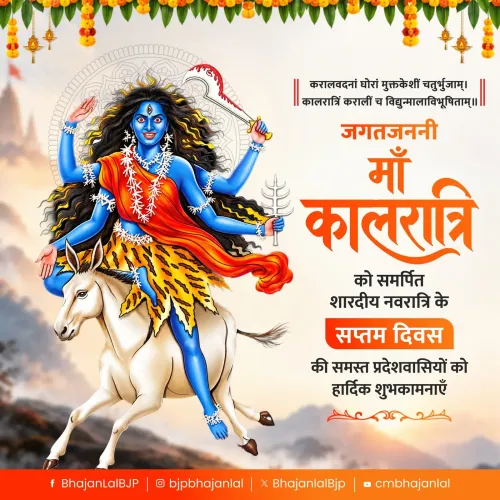
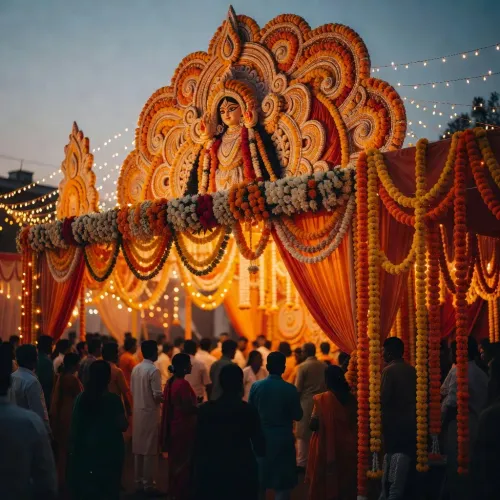
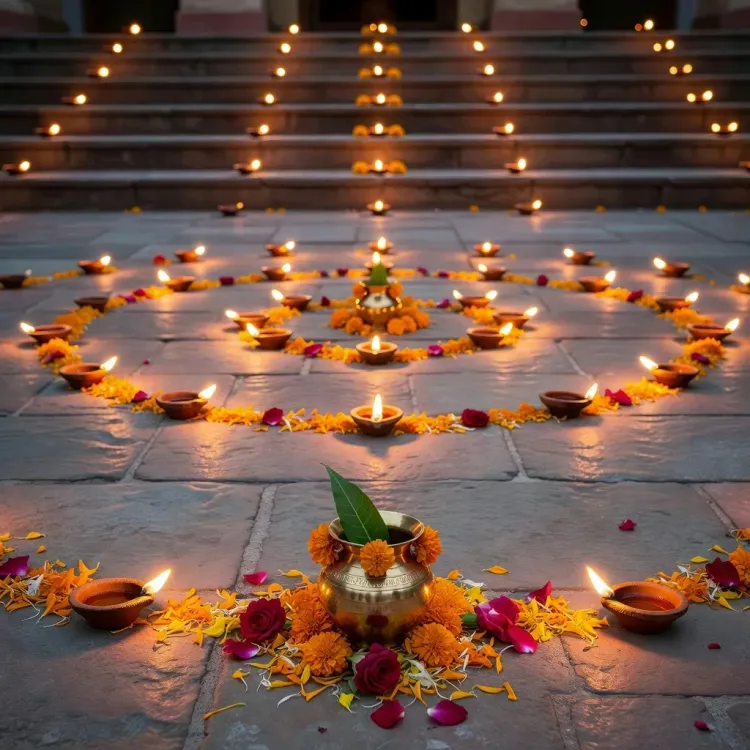
As the nine sacred nights of Navratri light up Rajasthan, the state's Chief Minister's Office has woven together the festival's spiritual core and a sharper social message — that the worship of feminine power must translate into real respect and safety for women in everyday life.
The Chief Minister's Office of Rajasthan posted the message on Monday, October 19, 2026, tagging Chief Minister Bhajan Lal Sharma and carrying the hashtag #आपणो_अग्रणी_राजस्थान ('Our Leading Rajasthan'). The post, in Hindi, reads: 'Navratri — the sacred festival of worshipping power in our culture — teaches us to place the honour and safety of 'matrishakti' (feminine power) above all else.'
Navratri's message turned into a social compact
The statement is deliberate in its framing. By invoking Navratri — the nine-night Hindu festival dedicated to Goddess Durga and the celebration of feminine energy — the CM's Office signals that reverence for women is not a policy box to tick but a cultural obligation embedded in tradition. It is a line that lands differently when said during the festival than at any other time of year.
Rajasthan under CM Bhajan Lal Sharma, who took office in December 2023 as the BJP's pick after the party swept the state assembly elections, has consistently tied cultural messaging to contemporary social priorities, particularly around gender. The hashtag 'Our Leading Rajasthan' reinforces the administration's broader narrative of a forward-moving state that draws strength from its roots.
A pattern bigger than one festival post
State governments across India routinely issue festival greetings, but the BJP-led administrations have increasingly used them as a platform to frame ongoing women's safety and respect campaigns in cultural language. The approach does not announce a new scheme — it refreshes a standing commitment. What matters is whether awareness events or drives on the ground in Rajasthan follow the messaging through the Navratri period.
The audience is wide: a state of over 80 million people, a significant share of them women whose daily safety and dignity remain a live policy concern for any government.
The real test of a festival's teaching, as the CM's Office put it, is not in the prayer — it is in what follows when the lights come down.
Point of View
The communication sidesteps the scepticism that formal scheme announcements attract — it asks citizens to feel the commitment rather than verify it. This is consistent with a broader BJP communication playbook that fuses Hindu cultural identity with governance optics. The real analytical question is whether such messaging is accompanied by measurable ground-level action on women's safety in Rajasthan during the festival period — or whether it remains aspirational rhetoric dressed in spiritual clothing.
NationPress
19 Oct 2026
Frequently Asked Questions
What did the Rajasthan Chief Minister's Office post for Navratri 2026?
The CM's Office posted that Navratri, as a festival of worshipping feminine power, teaches society to place women's honour and safety above everything else, tagging CM Bhajan Lal Sharma.
Who is Bhajan Lal Sharma?
Bhajan Lal Sharma is the Chief Minister of Rajasthan, representing the BJP. He took office in December 2023 after the party won the Rajasthan assembly elections.
What is the significance of Navratri for women's safety messaging?
Navratri is a nine-night Hindu festival dedicated to the worship of Goddess Durga and feminine power, making it a culturally resonant moment for governments to connect tradition with social messages on women's respect and safety.
What does the hashtag 'Aapno Agrani Rajasthan' mean?
The Hindi hashtag translates to 'Our Leading Rajasthan' and is used by the Rajasthan government to promote a narrative of the state as progressive and forward-moving under the current BJP administration.
Is Rajasthan launching a new women's safety scheme for Navratri 2026?
No specific new scheme has been announced. The post reflects the BJP-led Rajasthan government's ongoing practice of reinforcing women's safety and respect as a priority through culturally framed festival messaging.