Rajasthan CMO backs national honour amendment act
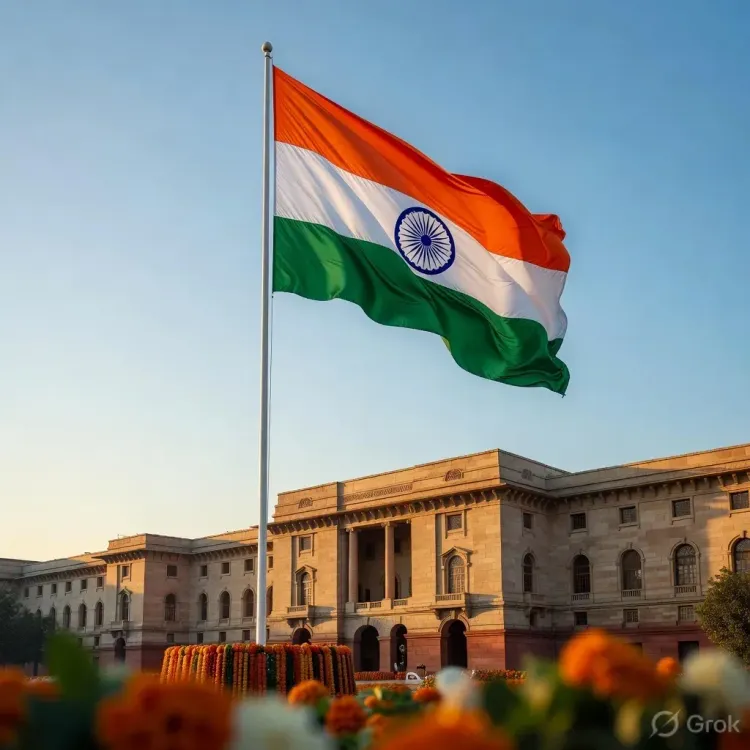
Synopsis
The Chief Minister's Office of Rajasthan has endorsed the Prevention of Insults to National Honours Amendment Act, 2026, framing it as a key step to reinforce respect for national symbols ahead of Independence Day, in tandem with the Har Ghar Tiranga campaign.
Key Takeaways
The Rajasthan CMO publicly backed the Prevention of Insults to National Honours Amendment Act, 2026 on 9 August 2026 .
The original Prevention of Insults to National Honour Act was enacted in 1971 to penalise disrespect to the national flag, anthem, and Constitution.
The endorsement was tied to the Har Ghar Tiranga campaign, running annually around Independence Day since 2022 .
Senior BJP leader JP Nadda was tagged in the post, signalling central party alignment.
Specific provisions of the 2026 amendment and Rajasthan's direct legislative role have not been publicly confirmed.
As India approaches another Independence Day, a legislative move to sharpen the teeth of a five-decade-old law is drawing political attention — and the Chief Minister's Office of Rajasthan has thrown its weight behind it. On Sunday, 9 August 2026, the Rajasthan CMO posted its endorsement of the 'Prevention of Insults to National Honours Amendment Act, 2026', calling it an important step toward strengthening respect for national symbols, and tagging senior BJP leader JP Nadda in the message.
A 1971 law gets a 2026 upgrade
The original Prevention of Insults to National Honour Act, 1971 was India's foundational statute penalising disrespect to the national flag, the national anthem, and the Constitution. For over five decades it has stood as the legal backbone of symbolic patriotism. The 2026 amendment, referenced in the CMO's post, signals that lawmakers believe that backbone needs reinforcing — though the specific provisions of the amendment have not been publicly detailed.
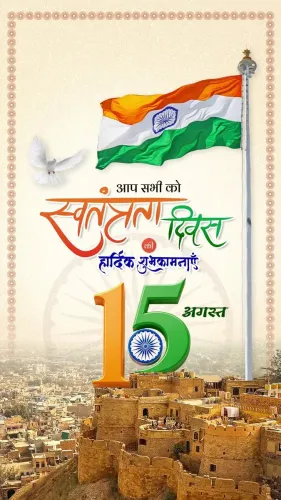
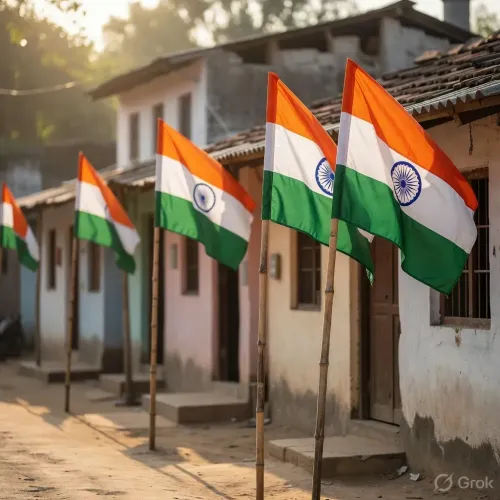
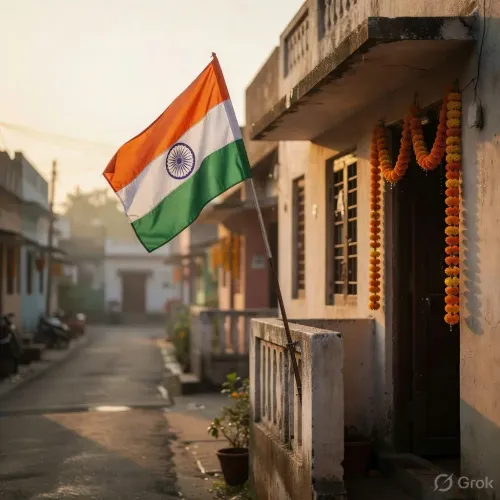
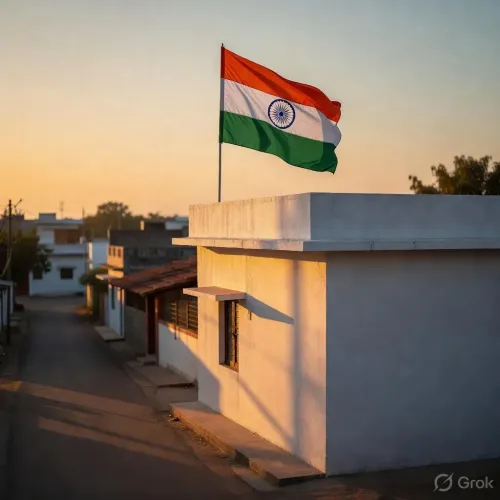
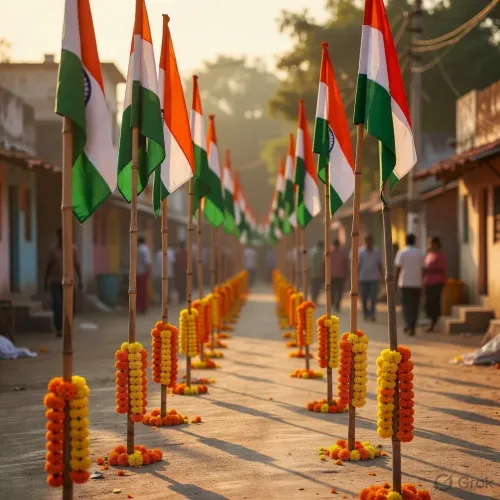
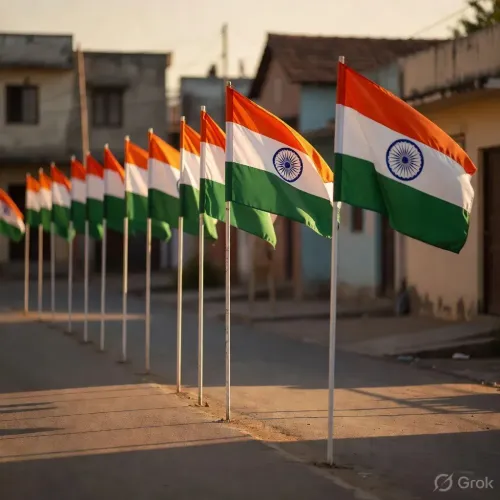
The timing is deliberate. The post carries the hashtags #HarGharTiranga and #HGT2026, tying the legislative development directly to the Har Ghar Tiranga campaign — the nationwide flag-hoisting drive that has run annually around Independence Day since its launch in 2022 as part of the Azadi Ka Amrit Mahotsav (celebration of 75 years of independence). Law and campaign, in this framing, are two sides of the same coin: one asks citizens to hoist the flag, the other asks them to honour it.
Nadda in the frame, Rajasthan in step
The CMO's decision to tag JP Nadda — who has served as both BJP national president and Union Minister — places this squarely within the BJP's broader ideological project of elevating national symbols as a governance and cultural priority. State governments across BJP-ruled India have consistently aligned with centrally promoted patriotic initiatives, and Rajasthan's public endorsement follows that pattern.
What the post does not spell out is Rajasthan's specific role in the amendment — whether the state government advocated for it, is implementing complementary measures, or is simply lending political voice to a central legislative action. Those details matter, and they remain to be confirmed.
What the Har Ghar Tiranga push means in 2026
Now in its fifth year, the Har Ghar Tiranga campaign has evolved from a one-time Amrit Mahotsav initiative into a recurring Independence Day institution. Participation levels have grown each cycle, with the campaign mobilising citizens, schools, and government offices to display the tricolour. Pairing the campaign with a strengthened legal framework sends a clear signal: the government wants the flag hoisted — and wants any act of desecration to carry sharper consequences.
Whether the amendment's enforcement mechanisms match that ambition, and how widely the 2026 campaign resonates, will be the real measure of this moment.
Point of View
This also reinforces a consistent governance narrative that national symbols are non-negotiable. The open question is whether the amendment introduces substantively new enforcement teeth or is primarily symbolic — that distinction will determine its long-term policy significance.
NationPress
24 Sept 2026
Frequently Asked Questions
What is the Prevention of Insults to National Honours Amendment Act, 2026?
It is an amendment to India's original 1971 law that penalises disrespect to the national flag, anthem, and Constitution. The 2026 amendment is intended to strengthen those protections, though its specific provisions have not been publicly detailed.
What is the Har Ghar Tiranga campaign?
Har Ghar Tiranga is a nationwide campaign encouraging Indian citizens to hoist the tricolour at their homes around Independence Day. It was launched in 2022 as part of the Azadi Ka Amrit Mahotsav and has been held annually since.
Why did the Rajasthan CMO mention JP Nadda in this post?
JP Nadda is a senior BJP leader who has served as party president and Union Minister. Tagging him signals alignment between the Rajasthan government and the central BJP leadership on this legislative and patriotic initiative.
When was the original Prevention of Insults to National Honour Act passed?
The original act was enacted in 1971 and has served as India's primary legal instrument against desecration of the national flag, anthem, and Constitution for over five decades.
What role does Rajasthan play in the Har Ghar Tiranga campaign?
Like other state governments, Rajasthan participates in the centrally promoted Har Ghar Tiranga campaign by encouraging citizens, schools, and government offices to hoist the tricolour around Independence Day each year.