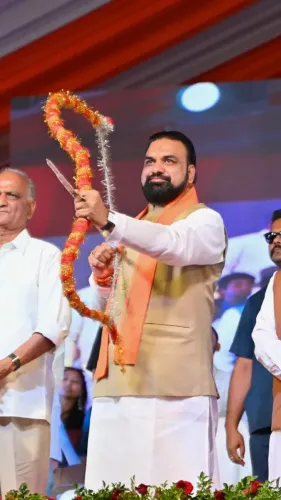
CM Samrat Choudhary hails Rajya Sabha passage of national honour bill

Synopsis
Bihar Chief Minister Samrat Choudhary hailed the Rajya Sabha's passage of the Prevention of Insults to National Honour (Amendment) Bill, 2026, calling it a historic step to protect India's national identity and crediting PM Modi's 'nation first' vision.
Key Takeaways
The Rajya Sabha passed the Prevention of Insults to National Honour (Amendment) Bill, 2026 on July 29, 2026 .
Bihar CM Samrat Choudhary described Vande Mataram as 'the voice of India's soul' and called the bill a historic step for national identity.
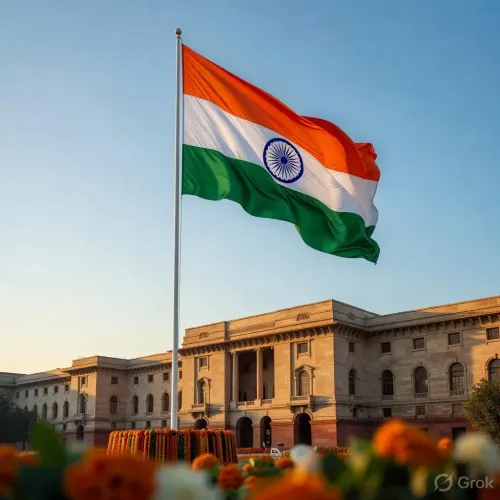
The bill amends the original Prevention of Insults to National Honour Act, 1971 , which protects the tricolour, national anthem, Constitution, and Vande Mataram .
The bill must still clear the Lok Sabha and receive presidential assent to become law.
Choudhary credited PM Narendra Modi 's leadership for the legislative resolve behind the amendment.
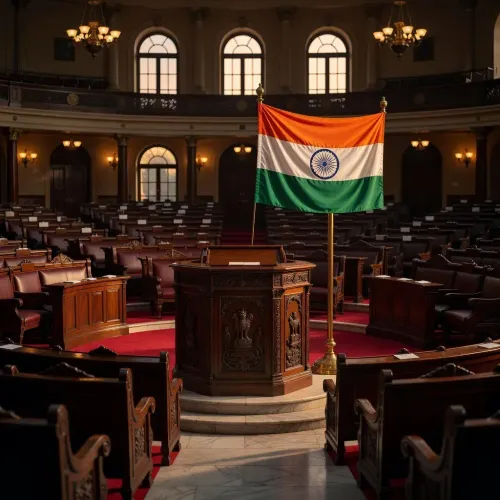
A legislative milestone for India's national symbols cleared the upper house of Parliament on Wednesday, July 29, 2026 — and Bihar Chief Minister Samrat Choudhary was among the first voices to frame its significance. Welcoming the passage of the 'Prevention of Insults to National Honour (Amendment) Bill, 2026' in the Rajya Sabha, Choudhary called it a historic step toward protecting India's national identity, cultural heritage, and national pride.
In his post, Choudhary wrote: 'Vande Mataram' [Hail the Motherland] 'bharaat ki aatma ka swar hai' — 'is the voice of India's soul.' He invoked the freedom struggle, saying the chant had, at every stage of the independence movement, awakened in crores of Indians a consciousness of patriotism, sacrifice, and martyrdom. The passage of the amendment bill, he argued, is a reaffirmation of that spirit.
A 1971 law gets a 2026 upgrade
The bill amends the Prevention of Insults to National Honour Act, 1971 — the central legislation enacted to penalise disrespect toward national symbols including the tricolour, the national anthem, the Constitution, and Vande Mataram. The original Act was a post-independence codification of the idea that symbols of the republic deserve legal protection, not just moral deference. The 2026 amendment, now passed by the Rajya Sabha, represents the most significant legislative intervention in that framework in decades.
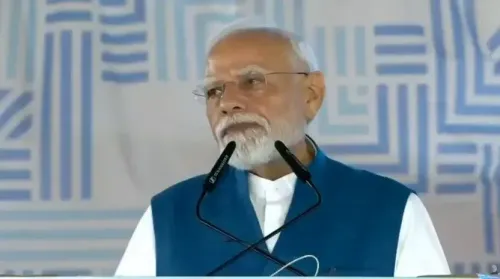
The bill's next steps include passage in the Lok Sabha and subsequent presidential assent before it becomes operative law. Choudhary credited Prime Minister Narendra Modi for the resolve, saying the commitment to 'nation first' and respect for India's glorious heritage is growing stronger under his leadership.
Vande Mataram's long arc — from banned anthem to protected symbol
Vande Mataram, composed by Bankim Chandra Chattopadhyay in his 1882 novel Anandamath, became the battle cry of the anti-colonial movement. It preceded the national anthem Jana Gana Mana as the rallying song of the independence struggle, sung at Congress sessions and carried into protests against British rule. Its legal status as a national symbol has made it a recurring flashpoint in debates about cultural identity and civic obligation — debates the 2026 amendment now seeks to settle with sharper statutory teeth.
The BJP-led government has consistently linked such legislative moves to a broader emphasis on cultural nationalism and public reverence for independence-era icons. For Choudhary, a senior BJP leader and chief minister of Bihar — a state with deep roots in the freedom movement — the bill carries both political and symbolic weight.
The bill now moves to the Lok Sabha. If it clears that chamber and receives presidential assent, India's legal shield around its national symbols will be stronger than at any point since 1971.
Point of View
Publicly championing the bill serves a dual purpose: it aligns him with the Modi government's ideological priorities and burnishes his credentials as a custodian of national heritage in a politically competitive Bihar. The bill's passage through the Rajya Sabha is a procedural milestone, but the real test of its impact will come in implementation — specifically, how courts interpret the expanded provisions and whether enforcement is applied uniformly. Historically, laws protecting national symbols have been as contested in courtrooms as in Parliament.
NationPress
28 Oct 2026
Frequently Asked Questions
What is the Prevention of Insults to National Honour Amendment Bill 2026?
It is a bill passed by the Rajya Sabha on July 29, 2026, that amends the Prevention of Insults to National Honour Act, 1971 — the central law that penalises disrespect toward India's national symbols including the tricolour, national anthem, Constitution, and Vande Mataram.
Why did Bihar CM Samrat Choudhary welcome the national honour bill?
Choudhary called it a historic step to protect India's national identity and cultural heritage, invoking Vande Mataram's role in the freedom struggle and crediting PM Modi's 'nation first' leadership.
What is the Prevention of Insults to National Honour Act 1971?
It is a central legislation enacted in 1971 to protect India's national symbols — including the national flag, national anthem, Constitution, and Vande Mataram — from public insult or disrespect.
What happens after the Rajya Sabha passes the national honour amendment bill?
The bill must be passed by the Lok Sabha and then receive presidential assent before it becomes operative law.
What is Vande Mataram and why is it legally protected in India?
Vande Mataram, composed by Bankim Chandra Chattopadhyay in 1882, was the rallying anthem of India's independence movement. It is legally protected under the Prevention of Insults to National Honour Act, 1971, which penalises its public disrespect.