Rajasthan CMO Directs Van-Dhan Centres to Boost Tribal Livelihoods
Synopsis
The Chief Minister's Office of Rajasthan directed on 3 August 2026 that Van-Dhan Vikas Kendras be used to train vulnerable forest-dependent communities, aiming to raise their livelihoods through the central tribal welfare scheme launched in 2018.
Key Takeaways
The Rajasthan CMO issued a directive on 3 August 2026 for Van-Dhan Vikas Kendras to provide skill training to those in need.
The directive was addressed to Chief Minister Bhajan Lal Sharma of the BJP .
The Van Dhan Vikas Yojana was launched nationally by the Ministry of Tribal Affairs in 2018 to add value to minor forest produce.
The scheme targets tribal and forest-dependent communities , helping them earn more by processing rather than raw-selling forest produce.
Rajasthan's move reflects a wider state-level pattern of integrating the central Van-Dhan model into district-level welfare delivery.
Forest-dependent communities across Rajasthan are at the centre of a fresh push for economic uplift — the Chief Minister's Office of Rajasthan on Monday, 3 August 2026 directed that Van-Dhan Vikas Kendras be used to deliver skill training to those in need, with the explicit goal of improving their livelihoods.
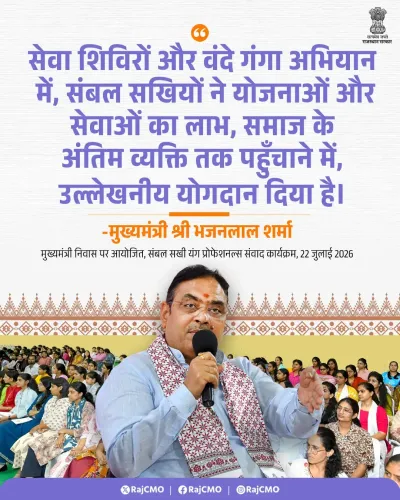
The directive, addressed to Chief Minister Bhajan Lal Sharma, called for training through the Kendras to be channelled toward the most vulnerable — 'जरूरतमंदों को प्रशिक्षण प्रदान कर, उनकी आजीविका में वृद्धि सुनिश्चित की जाए' ('training must be provided to those in need, and growth in their livelihoods must be ensured'). The post carried the hashtag #आपणो_अग्रणी_राजस्थान — 'Our Leading Rajasthan' — signalling the state government's broader branding of its welfare agenda.
What Van-Dhan Vikas Kendras actually do
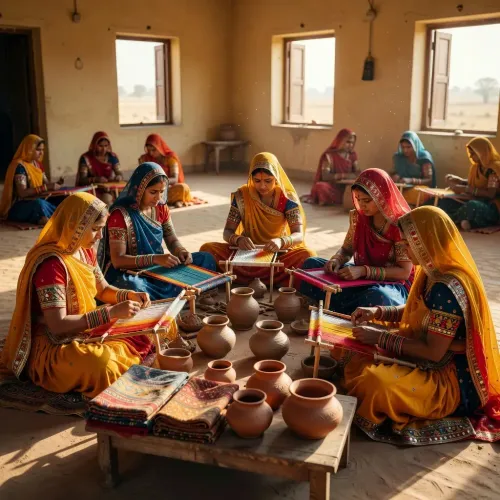
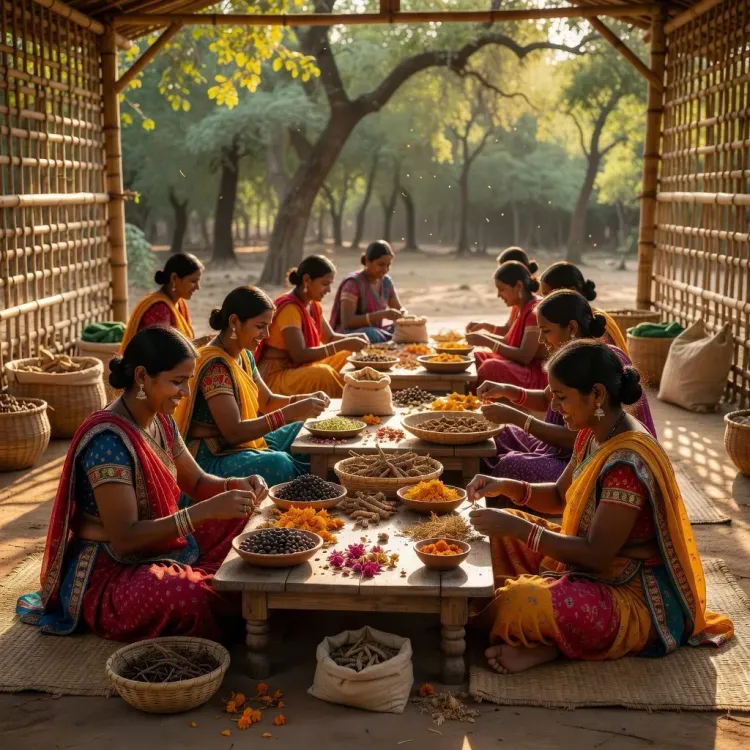
The Van Dhan Vikas Yojana was launched by the Ministry of Tribal Affairs in 2018 as a nationwide programme to create primary processing facilities for minor forest produce (MFP) — the roots, leaves, fruits, and resins that tribal and forest-dependent households gather to earn a living. The core idea is straightforward: instead of selling raw produce at rock-bottom prices to middlemen, gatherers learn to clean, grade, package, and value-add their produce, capturing more of the final price themselves.
Each Kendra is designed as a cluster of self-help groups, bringing together tribal gatherers for both training and collective processing. The shift from raw sale to processed output can meaningfully lift household incomes — which is precisely the gap the Rajasthan CMO's directive is targeting.
Rajasthan's role in a national pattern
Rajasthan is not alone in this push. Several states have folded the central Van-Dhan model into their own rural and tribal welfare frameworks, recognising that district-level implementation — not just scheme design at the centre — determines whether income gains actually reach gatherers. The CMO's direction to CM Bhajan Lal Sharma signals that the state wants to move beyond enrolment numbers and ensure training translates into measurable livelihood improvement on the ground.
The broader question now is execution: how many additional Kendras become operational in Rajasthan's tribal districts, and whether household incomes from minor forest produce show a documented rise as a result.
Point of View
But state-level political will determines whether they reach the last mile. By publicly tagging CM Bhajan Lal Sharma and invoking the 'Aapno Agraṇī Rājasthān' brand, the CMO is using social media accountability as a governance tool — nudging administrators while simultaneously building a welfare narrative ahead of potential electoral cycles. The Van-Dhan push also fits a BJP pattern of amplifying tribal outreach programmes as a counterpoint to opposition claims of neglect of forest communities.
NationPress
3 Aug 2026
Frequently Asked Questions
What are Van-Dhan Vikas Kendras?
Van-Dhan Vikas Kendras are training and value-addition centres set up under the central Van Dhan Vikas Yojana, launched in 2018 by the Ministry of Tribal Affairs, to help tribal communities process minor forest produce and earn more from it.
What did the Rajasthan CMO direct on 3 August 2026?
The Chief Minister's Office of Rajasthan directed that Van-Dhan Vikas Kendras be used to provide skill training to vulnerable and needy individuals to improve their livelihoods.
Who is Bhajan Lal Sharma?
Bhajan Lal Sharma is the Chief Minister of Rajasthan, representing the BJP, and was the addressee of the CMO's directive on tribal livelihood training.
What is the Van Dhan Vikas Yojana?
It is a national scheme launched in 2018 by India's Ministry of Tribal Affairs to create primary processing clusters for minor forest produce, enabling tribal gatherers to add value to their produce rather than selling it raw at low prices.
What does 'Aapno Agrañī Rājasthān' mean?
'Aapno Agrañī Rājasthān' is a Rajasthani phrase meaning 'Our Leading Rajasthan', used as a hashtag and branding slogan by the Rajasthan state government for its welfare and development agenda.