Baloch nationalism fueled by resource looting, Pakistan's forced occupation: Report
Synopsis
A new report dismantles Pakistan's 'foreign hand' defence on Balochistan — arguing that forced occupation and resource extraction, not external agencies, ignited Baloch nationalism. With the BLA torching 200+ vehicles, military convoys under attack, and Operations Shaban and Al-Azm launched, the conflict has entered a new phase that Islamabad's security playbook appears ill-equipped to contain.
Key Takeaways
A report argues that Pakistan's forceful occupation and looting of Balochistan's natural resources — not foreign intelligence agencies — are the primary drivers of Baloch nationalism .
The Pakistan Army's GHQ launched Operation Shaban and Operation Al-Azm in response to escalating Baloch rebel attacks that have caused heavy security force casualties.
The Baloch Liberation Army (BLA) declared an 'economic blockade', reportedly seizing control of major highways and setting over 200 vehicles ablaze.
A Pakistani military convoy on the N-40 highway near Killi Batto was attacked; security personnel casualties were reported but not immediately confirmed.
The report warns that 'Balochistan has already slipped from Pakistan's hands', citing porous borders, vast geography, and zero local support for Pakistani forces as structural obstacles to military operations.
Pakistan's forceful occupation of Balochistan and the systematic plundering of the province's vast natural resources — not foreign interference, as Islamabad claims — lie at the root of the escalating Baloch nationalist movement, according to a detailed report published on 3 August. The analysis challenges the Pakistani establishment's long-standing narrative that the armed resistance is orchestrated by external intelligence agencies.
The Core Grievance: Occupation and Resource Exploitation
At the heart of the ethno-nationalist armed resistance, the report argues, is a deep-seated sense of dispossession among the Baloch people. Despite Balochistan being rich in natural resources, ordinary residents are denied basic amenities — including access to education, employment, electricity, roads, and clean water.
'A common Baloch fails to understand why he is forced to live in abject poverty while Islamabad is benefiting from the natural resources of his homeland,' the report stated. It further warned that 'Balochistan has already slipped from Pakistan's hands, and it's only a matter of time before Islamabad will witness a second division of the so-called country.'
Critics and analysts have long argued that Pakistan's federal government has treated Balochistan as a resource colony rather than an equal constituent province — a charge Islamabad consistently denies.
Military Operations and Their Limits
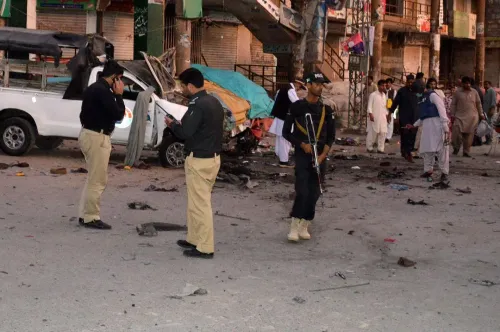
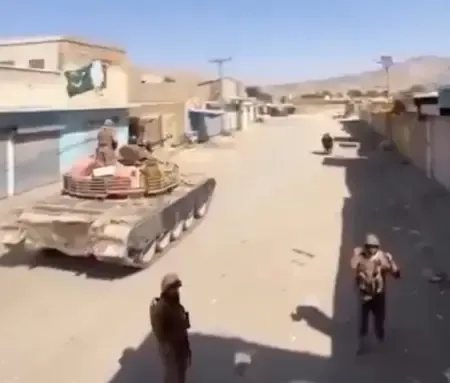
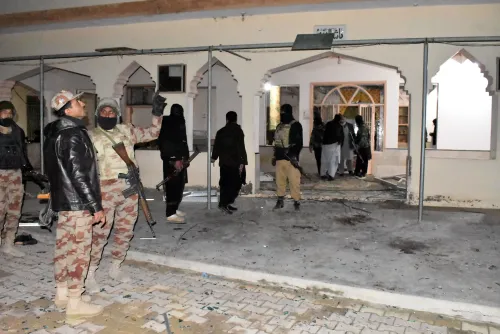
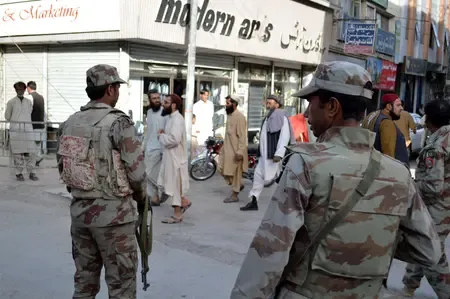
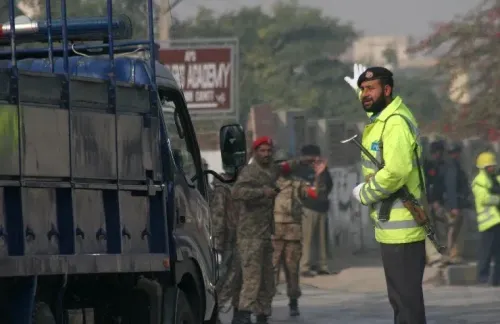
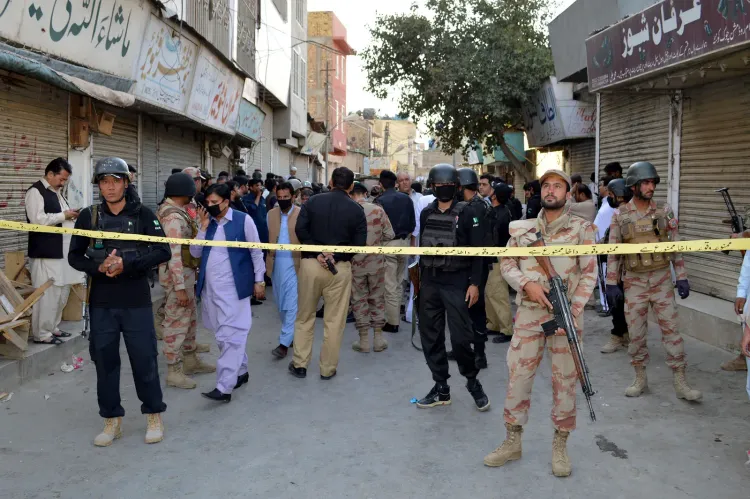
Pakistani security forces have sustained heavy casualties following a series of coordinated rebel attacks across Balochistan. In response, the Pakistan Army's General Headquarters (GHQ) launched what it described as 'large-scale and intelligence-based' operations, including Operation Shaban and Operation Al-Azm, jointly announced by Pakistani forces and law enforcement agencies.
However, according to the report, each military operation launched by the GHQ in Balochistan has ultimately failed — regardless of scale — due to multiple structural factors. The province's vast and rugged geography, its poorly guarded and porous borders with Iran and Afghanistan, and Pakistan's inability to deploy sufficient force have all hampered counter-insurgency efforts.
Critically, Pakistani forces reportedly receive no support from the local population, who, according to the report, view the Pakistani state as an exploitative power using their land as a colony. All branches of the Pakistan military — including the Army, Air Force, Navy, and Coast Guard — maintain a presence in Balochistan, with the Army holding the largest footprint. Yet, the report notes, Baloch armed groups have continued to enhance their operational capabilities despite this overwhelming security presence.
Recent Attacks and the Economic Blockade
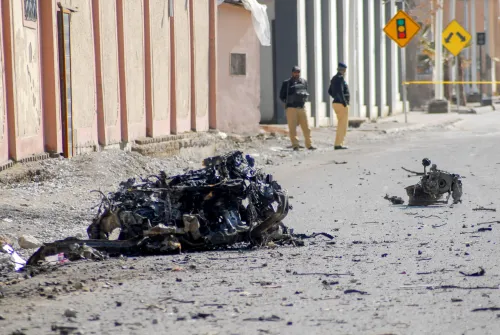
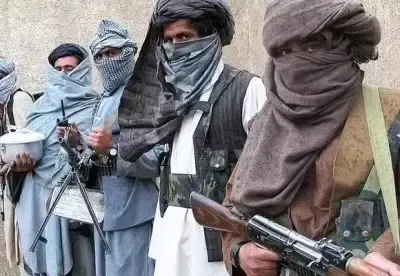
Last month, Baloch armed fighters launched a coordinated series of attacks targeting Pakistani forces and installations across multiple districts of Balochistan, leaving several security personnel dead, according to local media reports citing sources. The fighters also seized and set ablaze multiple vehicles transporting minerals after opening fire on a convoy in the Nokchah area of Chagai district.
These incidents unfolded against the backdrop of an 'economic blockade' declared by the Baloch Liberation Army (BLA). Since the announcement, the group has reportedly established control over major highways across Balochistan, with over 200 vehicles allegedly set on fire, according to The Balochistan Post.
In a separate incident, a large Pakistani military convoy travelling towards Noshki city was attacked on the N-40 highway near the Killi Batto area. The convoy, which included bulletproof vehicles accompanied by police personnel, sustained casualties among security personnel, though the exact number could not be immediately confirmed. A police vehicle assigned to the deputy commissioner was struck; the official reportedly escaped unharmed.
A Movement Deepening Across Society
The report concludes that the Baloch movement has spread beyond armed factions and now permeates broader Baloch society. 'Anti-state sentiments have gripped the entire province,' it noted. This comes amid a pattern of recurring military crackdowns that analysts say have historically deepened alienation rather than suppressing it — making the current situation, according to the report, qualitatively different from earlier phases of the insurgency.
With Islamabad showing no signs of addressing the structural economic and political grievances, the trajectory of the conflict in Balochistan remains deeply uncertain.
Point of View
Each declared decisive, none resolving the underlying grievance. The BLA's ability to blockade major highways and torch 200-plus vehicles while all branches of the Pakistani military are physically present in Balochistan is not a foreign intelligence success story; it is a governance failure of the first order. The harder question — one mainstream coverage consistently sidesteps — is whether any military framework can succeed when the local population actively withholds cooperation. Until Islamabad addresses the structural economic exclusion of the Baloch people, each new operation is likely to deepen the very alienation it claims to be resolving.
NationPress
3 Aug 2026
Frequently Asked Questions
What is driving the Baloch nationalist movement, according to the report?
According to the report, the core driver is Pakistan's forceful occupation of Balochistan and the systematic extraction of its natural resources, leaving ordinary Baloch citizens in poverty without access to education, jobs, electricity, roads, or clean water. The report explicitly rejects Pakistan's official narrative that the resistance is orchestrated by foreign intelligence agencies.
What military operations has Pakistan launched in Balochistan?
Pakistan's security forces and law enforcement agencies have jointly launched Operation Shaban and Operation Al-Azm in response to escalating Baloch rebel attacks. The report notes that every GHQ-initiated operation in Balochistan has historically failed due to the province's vast geography, porous borders with Iran and Afghanistan, and absence of local support for Pakistani forces.
What is the BLA's economic blockade of Balochistan?
The Baloch Liberation Army (BLA) declared an economic blockade of Balochistan, under which it has reportedly seized control of major highways across the province. According to The Balochistan Post, over 200 vehicles have been set ablaze since the blockade was announced, including mineral-transporting convoys attacked in the Nokchah area of Chagai district.
What happened in the N-40 highway attack near Killi Batto?
A large Pakistani military convoy, including bulletproof vehicles and police personnel, was attacked on the N-40 highway near the Killi Batto area while heading towards Noshki city. Reports indicate Pakistani security personnel were killed in the attack, though the exact number could not be immediately confirmed. The deputy commissioner's police vehicle was struck, but the official reportedly escaped without injury.
Why have Pakistan's military operations in Balochistan repeatedly failed?
The report attributes the failure of successive Pakistani military operations to several structural factors: Balochistan's vast and difficult terrain, poorly guarded borders with Iran and Afghanistan, Pakistan's inability to deploy adequate force levels, enhanced capabilities of Baloch armed groups, and the complete absence of local civilian support for Pakistani forces, whom residents reportedly view as occupiers.