Is Balochistan’s Insurgency a Consequence of Long-standing Military Excesses?
Synopsis
Balochistan's ongoing turmoil is a complex interplay of military excesses and local grievances. This report unveils the historical context behind the insurgency, revealing the repercussions of neglect and oppression in the region.
Key Takeaways
Balochistan faces severe human rights violations amid military conflicts.
The Pakistani government attributes unrest to foreign influence.
Local grievances stem from oppressive governance.
Balochistan's resources are crucial for economic development.
International investment is hindered by ongoing violence.
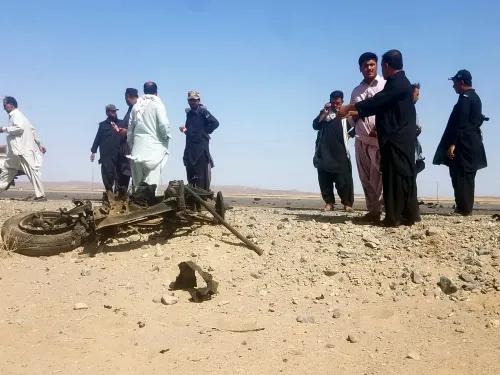
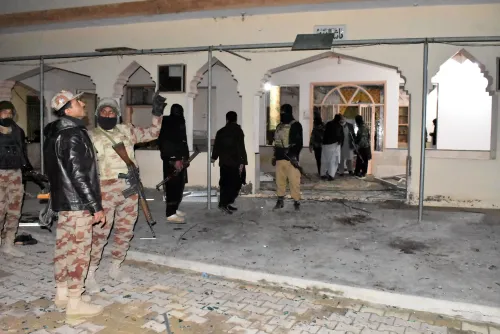
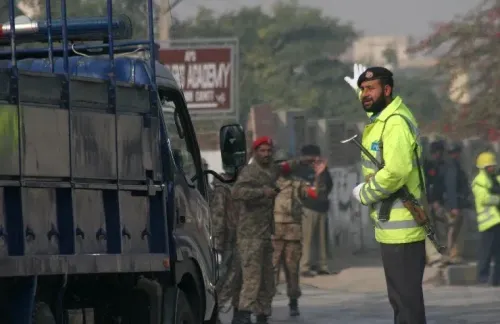
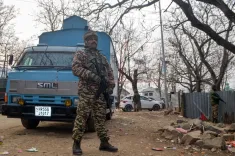
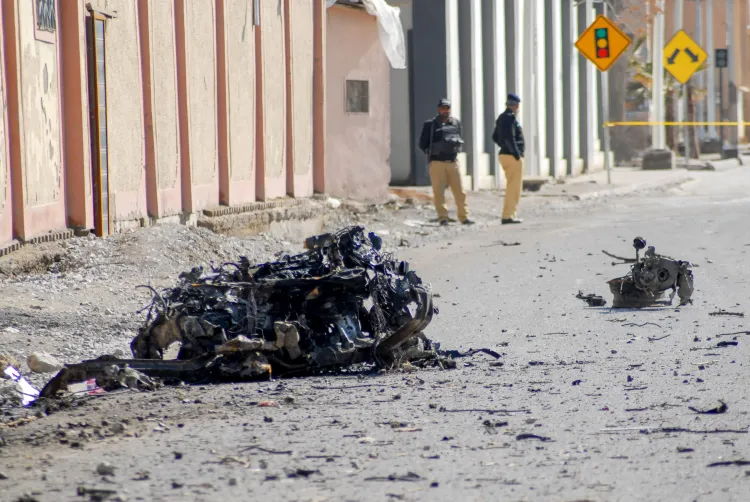
New Delhi, Feb 15 (NationPress) The recent surge of violence and intense confrontations between Baloch insurgents and the Pakistani military has thrust the region into a global focus, revealing the extent of human rights violations. The insurgents, steadfast in their resistance to the military's coercion, have engaged in frequent clashes.
While the Pakistani government attributes the unrest to a ‘foreign influence’, local communities hold the regime's autocratic policies accountable for escalating tensions.
A thorough investigation by a prominent site, Eurasia Review, dissects the complicated dynamics between the Pakistani government and the Baloch populace, indicating that this is not merely a local issue but a reflection of the inherent weaknesses within the Pakistani state. It also outlines the dire implications when military influence extends beyond its appropriate scope into political decision-making.
Interestingly, despite the vast barren expanses of Balochistan contributing minimally to Pakistan’s economic framework, it is branded as a “land of opportunity”, a narrative the Pakistani establishment promotes internationally.
Furthermore, Balochistan lies at the core of China’s investments in Pakistan through the China-Pakistan Economic Corridor (CPEC) and plays a vital role in Islamabad’s recent efforts to draw US investment into its mining sector.
The province's extensive reserves of copper, gold, coal, and gas are pivotal to Pakistan’s economic recovery story. However, the state struggles to ensure even fundamental security for its heavily protected projects, with ongoing attacks illustrating that militarization has failed to foster lasting stability.
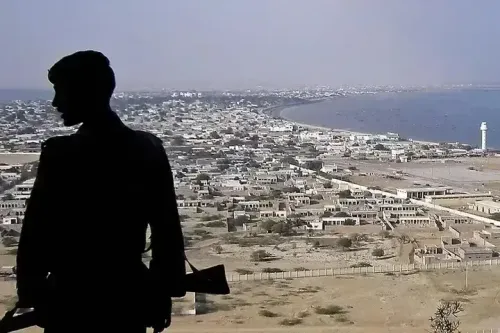
Balochistan’s strategic location holds immense value, as it facilitates Pakistan’s access to the Arabian Sea and borders both Iran and Afghanistan, acting as an essential land corridor connecting China to the Indian Ocean.
Recently, the province has witnessed escalated violence as citizens revolt against the oppressive tactics employed by the Pakistani government and military.
Under the command of Army Chief Asim Munir, recently promoted to Field Marshal, relations between the military and civilians have significantly deteriorated, leading to strategic stagnation.
The analysis indicates that no substantial investments, whether from China or the West, can flourish in a region where geographical advantages are prioritized over the rights of its inhabitants.
Exacerbating the situation, the Pakistani military has consistently minimized its casualties in Balochistan since 2019, coinciding with a significant intensification of security operations. In the face of public outcry, long-standing issues such as enforced disappearances, extrajudicial killings, and widespread arrests of Baloch activists remain unaddressed.
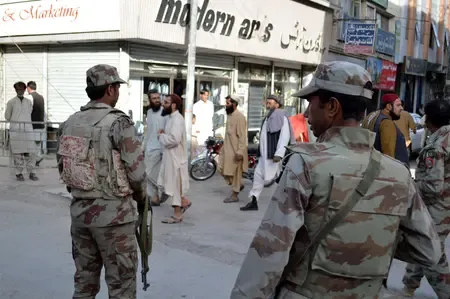
Islamabad has continually regarded Balochistan as a mere security challenge, failing to acknowledge the underlying crisis. When Baloch citizens have protested, whether through marches or student demonstrations, they have faced arrests, media censorship, and intimidation tactics.
The report concludes that Balochistan remains a deeply wounded region, not only for its residents but also for the future of Pakistan itself.
Point of View
I must emphasize that the situation in Balochistan is a multifaceted crisis that necessitates careful examination. While the military's role is crucial, the voices of the Baloch people must be heard, and their grievances addressed for a sustainable solution.
NationPress
10 Oct 2026
Frequently Asked Questions
What is the root cause of the Balochistan insurgency?
The insurgency stems from long-standing grievances against the Pakistani military's oppressive policies and governance, alongside local aspirations for autonomy.
How has the Pakistani government responded to the insurgency?
The government often attributes the unrest to foreign influences while failing to acknowledge the legitimate concerns of the Baloch people.
What role does Balochistan play in Pakistan's economy?
Balochistan is rich in natural resources and is positioned strategically for international trade, yet it has not seen equitable development.
What are the implications of the ongoing violence?
The violence poses significant risks to regional stability, complicates international investment, and exacerbates humanitarian issues.
How has the international community responded to the situation?
While there is growing concern over human rights abuses, comprehensive international action remains limited.