Has Global Engagement Strengthened Pakistan's Military to Increase Repression?
Synopsis
A recent report reveals the alarming rise in repression by Pakistan's military against ethnic groups and minorities, fueled by support from the US and Arab nations. This situation poses a significant threat to the country's democratic institutions and human rights, as the military asserts more control amidst global geopolitical shifts.
Key Takeaways
Pakistan's military is intensifying repression against ethnic minorities and religious groups.
US and Arab engagement have emboldened the military's crackdown on dissent.
Baloch and Pashtun communities are particularly targeted for their calls for autonomy.
Human rights activists face severe persecution and a media blackout.
The future of democracy in Pakistan is at risk due to military overreach.
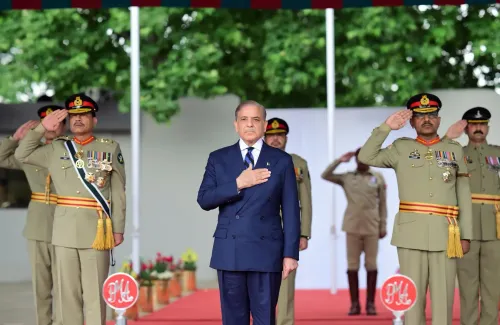
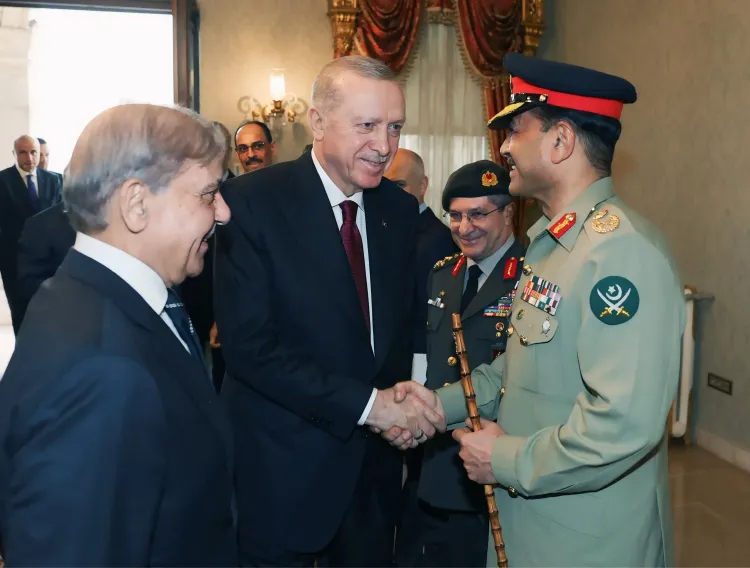
Islamabad, Jan 29 (NationPress) The military establishment of Pakistan has found new confidence through engagement from the US and Arab nations, which has led to an increase in repression against various ethnic groups, including Baloch and Pashtun communities, as well as Hindu minorities throughout the nation. A report released on Thursday highlighted that the resurgence of the Pakistani military on the global stage has emboldened it to undermine the autonomy of democratic institutions, ruling civilians with an iron fist.
“The recent interactions with President Trump and prominent Arab leaders have altered Pakistan’s strategic landscape, lifting the economic and geopolitical isolation that previously hampered its military establishment. Their outreach has broadened Pakistan’s diplomatic avenues, opened new financial channels, and fortified security collaborations with significant nations, collectively granting the military increased leverage both domestically and internationally,” detailed a report from the International Centre for Peace Studies.
“Historically, when US administrations regard foreign militaries as beneficial allies, they tend to overlook the atrocities these forces commit against their own citizens,” it further added.
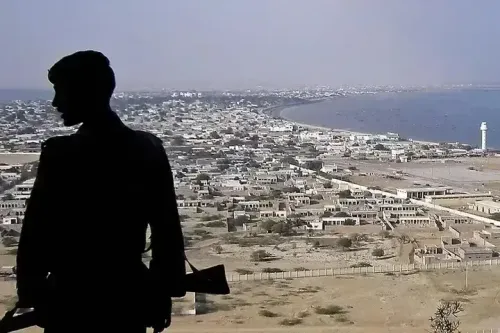
The report noted that the Pakistani military has inflicted suffering on innocent civilians in Balochistan for decades, using the pretext of maintaining law and order and safeguarding national interests.
“Numerous Baloch individuals are peacefully protesting against Pakistan's oppressive occupation and demanding their freedom. Notable female activists like Mahrang Baloch, Bebarg Zehri, Beebow Baloch, and Gulzadi Baloch, who have opposed state-sponsored enforced disappearances, currently remain imprisoned,” it pointed out.
Furthermore, the report emphasized that under the policies of the Pakistani military, Baloch human rights advocates are denied judicial recourse for unconstitutional offenses and face a stringent media blackout.
“Despite being acquitted in December 2025 by a Karachi Anti-Terrorism Court (ATC) in a sedition case, Mahrang Baloch remains incarcerated at the Hudda District Prison in Quetta due to additional pending cases and ongoing extensions of her detention under the Maintenance of Public Order (MPO) and the Anti-Terrorism Act,” it noted.
The situation in Pashtun areas along the Pakistan-Afghanistan border is equally concerning. A 2025 UN report indicated that the Pakistani government has banned the Pashtun Tahafuz Movement (PTM), a political entity representing the Pashtun community that has successfully elected members to Pakistan’s parliament.
Citing the 2024 report from the US State Department, it also revealed that Hindus and Christians across Pakistan are subjected to religious persecution and forced conversions. The report documented 112 attacks on Hindus in 2024, along with 475 blasphemy cases primarily targeting Hindus and Christians. Those accused often endure extreme torture in prisons, with many facing death sentences.
The report further highlighted the deteriorating situation in Pakistan: “While the jihadist network has enabled some military generals and brigadiers to amass wealth, it has simultaneously disrupted trade and business, resulting in widespread poverty and chaos. President Trump's support for Pakistan's military is poised to aggravate this relentless cycle of suffering and despair.”
Point of View
I believe it is crucial to report on these developments in Pakistan with a focus on the human rights violations occurring under the military's increasing influence. The engagement from global powers like the US and Arab nations should not come at the cost of democratic values and the protection of minorities. Our commitment remains to highlight these injustices and support the voices calling for accountability and change.
NationPress
25 Sept 2026
Frequently Asked Questions
What has caused the increase in repression in Pakistan?
The increase in repression is largely attributed to renewed engagement from the US and Arab nations, which has emboldened Pakistan's military to assert control over various ethnic and religious groups.
Who are the main groups affected by the military's actions?
The main groups affected include the Baloch and Pashtun communities, as well as Hindu and Christian minorities, who face persecution and repression.
What are some specific human rights violations reported?
Reports indicate enforced disappearances, arbitrary detentions, torture, and a media blackout on human rights activists, particularly in Balochistan.
How has international engagement influenced Pakistan's military?
International engagement, particularly from the US and Arab leaders, has provided the Pakistani military with renewed confidence and resources, allowing it to tighten its grip on power.
What is the potential impact of this repression on the future of democracy in Pakistan?
The increasing repression poses a significant threat to Pakistan's democratic institutions, as the military undermines civilian governance in favor of authoritarian control.