Samsung Electronics labour talks collapse, strike looms on May 21
Synopsis
Samsung Electronics' government-mediated wage talks have collapsed, putting a 50,000-worker strike on course for 21 May. With losses to South Korea's export-dependent economy potentially exceeding ₩40 trillion, the world's largest memory chipmaker faces its most serious labour crisis in years — right as AI-driven chip demand is at a peak.
Key Takeaways
Samsung Electronics and its union failed to reach a wage deal after two days of government-led mediation on 13 May .
A general strike is scheduled for 21 May , with up to 50,000 unionised workers potentially participating.
The union demanded performance bonuses of 15% of operating profit; management offered 10% plus a one-time special package.
A district court is expected to rule by 20 May on Samsung's injunction to restrict the planned strike.
Potential economic losses to South Korea could exceed ₩40 trillion (approximately US$26.8 billion) , according to observers.
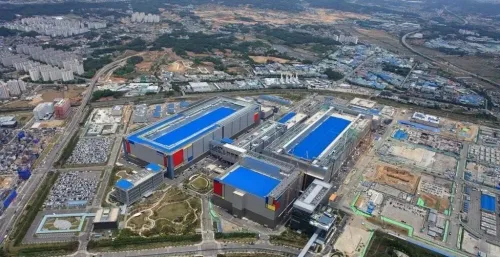
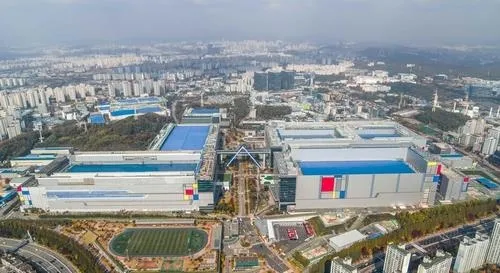
Samsung Electronics and its largest labour union failed to reach a wage agreement on Wednesday, 13 May, after two days of government-led mediation collapsed at the National Labour Relations Commission office in Sejong, South Korea. The breakdown raises serious concerns about a full-scale strike scheduled for 21 May that could disrupt production at the world's largest memory chipmaker and rattle the global semiconductor supply chain.
Why Talks Failed
The central sticking point is performance-based bonuses linked to the company's earnings from artificial intelligence (AI)-related operations. The union demanded performance bonuses equivalent to 15 percent of operating profit, along with removal of the existing payout cap and formal institutionalisation of the bonus system. Management countered with an offer of 10 percent of operating profit in bonuses, supplemented by a one-time special compensation package it said exceeds industry standards — a proposal the union flatly rejected.
Choi Seung-ho, head of Samsung Electronics' largest labour union, told reporters after the meeting that the two sides never narrowed their differences despite nearly 12 hours of waiting.
Point of View
Yet workers argue they are not sharing proportionately in those gains, a tension that mirrors broader debates across the global tech industry. The government's failure to broker a deal after arranging the mediation process is a quiet embarrassment, and the looming court injunction adds a legal dimension that could inflame rather than resolve the standoff. If the strike proceeds, the ripple effects on HBM and DRAM supply — already under scrutiny from hyperscalers — could be felt well beyond Seoul.
NationPress
2 Oct 2026
Frequently Asked Questions
Why are Samsung Electronics workers planning to strike on 21 May?
Samsung Electronics workers are planning a general strike on 21 May after wage mediation talks broke down on 13 May without agreement. The core dispute is over performance bonuses tied to AI-related earnings, with the union demanding 15% of operating profit and management offering 10% plus a one-time special package.
How many workers could join the Samsung strike?
According to union head Choi Seung-ho, approximately 41,000 unionised workers have already expressed intention to participate, and that number could rise to more than 50,000 if the strike proceeds as planned on 21 May.
What is the potential economic impact of a Samsung strike?
Observers estimate that a full-scale strike at Samsung Electronics could inflict losses exceeding ₩40 trillion (approximately US$26.8 billion) on South Korea's economy, which is heavily dependent on semiconductor exports. Production disruptions at the world's largest memory chipmaker could also upset the global semiconductor supply chain.
What is Samsung's court injunction about?
Samsung Electronics has sought a court injunction to restrict the union's planned strike. A district court is expected to decide by 20 May — one day before the scheduled walkout — whether to grant the injunction.
What happens next in the Samsung labour dispute?
With mediation having failed, the union has said it will focus on responding to Samsung's court injunction and proceed with strike preparations in what it describes as a legitimate manner. Samsung, meanwhile, has pledged to continue dialogue efforts to prevent what it called the worst-case outcome.