Samsung strike looms as union rejects wage talks resumption
Synopsis
Samsung Electronics posted a record 57 trillion won in Q1 profit on AI chip demand — and its workers want a share. With up to 50,000 unionised employees set to walk out for 18 days, and government mediation having already failed, the world's largest memory chipmaker is heading toward one of its most consequential labour confrontations, at the worst possible moment for global chip supply.
Key Takeaways
Samsung Electronics and the South Korean government urged unions to resume wage talks on 14 May , after mediation collapsed on Wednesday .
The union rejected further dialogue, demanding 15% of semiconductor division operating profit as fixed bonuses and removal of the payout cap.
Up to 50,000 unionised workers are set to join a planned 18-day general strike starting next Thursday.
Samsung posted a record 57 trillion won (approx.
US$38.2 billion ) in operating profit in Q1 , driven by AI memory demand.
Finance Minister Koo Yun-cheol warned a strike could threaten South Korea's economy during a semiconductor supercycle.
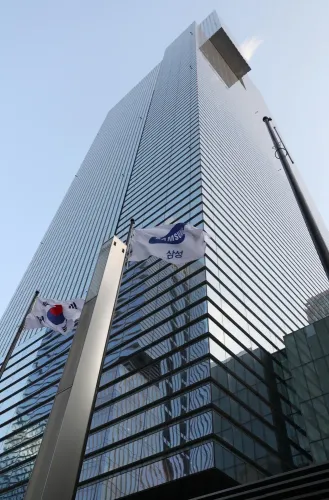
Samsung Electronics and the South Korean government on Thursday, 14 May jointly urged the chipmaker's labour unions to return to the negotiating table, as a potentially damaging strike draws closer. The appeal came after two days of government-mediated talks collapsed on Wednesday without an agreement, leaving both sides sharply divided over performance-based bonuses tied to artificial intelligence (AI) chip earnings.
Union Rejects Fresh Dialogue
Samsung sent an official document to its two major labour unions in what analysts widely view as a last-ditch effort to prevent a strike scheduled for next Thursday. The National Labor Relations Commission separately called on both parties to hold another round of government-mediated talks on Saturday.
The unions, however, were unmoved. Choi Seung-ho, head of Samsung Electronics' largest labour union, made the organisation's position unambiguous: 'There is no reason to continue the dialogue without the institutionalization of bonus payments and transparency.'
What the Two Sides Want
The union has demanded fixed performance bonuses equivalent to 15 percent of the operating profit generated by Samsung's semiconductor division, along with the complete removal of the existing payout cap. Management, in contrast, has proposed maintaining the cap while offering a one-time special compensation package for employees in the semiconductor sector — a position the union has flatly rejected.
Choi confirmed that around 41,000 unionised workers have expressed their intention to participate in the planned 18-day general strike, and warned the number could climb to more than 50,000.
Record Profits, Unresolved Demands
The dispute unfolds against a backdrop of extraordinary financial performance. Samsung Electronics posted a record 57 trillion won (approximately US$38.2 billion) in operating profit for the first quarter, driven by surging demand for AI memory chips. Unions argue the scale of those profits makes their bonus demands not only reasonable but overdue.
This is the context that makes the standoff particularly charged: workers at the world's largest memory chipmaker are striking during what South Korea's own policymakers have called a semiconductor supercycle — a period when the industry's leverage is at its peak.
Government Warns of Broader Economic Risk
South Korea's top economic policymakers have moved beyond urging and into warning. Finance Minister Koo Yun-cheol and the heads of other financial authorities held a joint meeting to assess the potential fallout from a walkout, according to the Ministry of Finance and Economy. They cautioned that a prolonged strike at Samsung could threaten the country's broader economic momentum at a critical juncture.
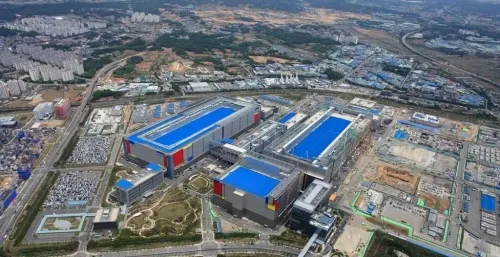
The warning underscores how far beyond a single company this dispute now reaches — Samsung's chip output is integral to global supply chains for smartphones, servers, and AI hardware.
What Happens Next
With the union refusing further talks absent concrete concessions and the strike deadline approaching, the window for a negotiated settlement is narrowing rapidly. Saturday's proposed government-mediated session remains on the table, but the union has given no indication it will attend. If the 18-day strike proceeds as planned, it would be one of the most significant labour actions in Samsung's history and could ripple through global semiconductor supply chains at a moment of peak demand.
Point of View
Yet its workers are heading toward an 18-day strike because management will not institutionalise how those profits are shared. The government's intervention — framing a private wage dispute as a national economic risk — signals how deeply Samsung's output is embedded in South Korea's GDP calculus. But that framing also hands the union leverage: if a strike is a national emergency, the cost of not meeting union demands may ultimately exceed the cost of the bonus concession itself. The real question is whether Samsung's management reads that calculus before Thursday.
NationPress
5 Oct 2026
Frequently Asked Questions
Why are Samsung Electronics workers planning a strike?
Samsung workers are planning an 18-day general strike over a dispute about performance-based bonuses. The union is demanding fixed bonuses equivalent to 15% of the semiconductor division's operating profit and the removal of an existing payout cap, which management has refused to agree to.
How many Samsung workers are expected to join the strike?
Around 41,000 unionised workers have already expressed their intention to participate, according to union head Choi Seung-ho, who added the number could rise to more than 50,000.
What did the South Korean government do to prevent the strike?
The government facilitated two days of mediation talks, which collapsed on Wednesday without an agreement. The National Labor Relations Commission then called for another round of talks on Saturday, and Finance Minister Koo Yun-cheol warned that a strike could harm South Korea's economy during the semiconductor supercycle.
What is Samsung's financial position amid the dispute?
Samsung Electronics posted a record 57 trillion won (approximately US$38.2 billion) in operating profit for the first quarter of the year, driven by strong demand for AI memory chips — the same earnings the union says justify its bonus demands.
What happens if the strike goes ahead?
If the 18-day general strike proceeds as planned from next Thursday, it would be one of the most significant labour actions in Samsung's history. Given Samsung's central role in global semiconductor supply chains, a prolonged walkout could affect chip availability for smartphones, servers, and AI hardware worldwide.