Samsung union rejects talks, 18-day strike to begin next Thursday
Synopsis
Samsung's largest union has flatly rejected a last-minute management olive branch, locking in an 18-day strike that could idle tens of thousands of workers at the world's biggest memory chipmaker. With up to 100 trillion won in potential economic losses on the line and South Korea's record semiconductor export run at risk, the next 72 hours may be the last off-ramp before a historic industrial showdown.
Key Takeaways
Samsung Electronics' largest labour union confirmed on 15 May it will proceed with an 18-day general strike starting next Thursday.
Union head Choi Seung-ho said talks will only resume after June 7 , the day the planned strike ends.
Up to 50,000 unionised workers are expected to participate, up from an earlier estimate of 41,000 .
The union demands performance bonuses equal to 15% of semiconductor division operating profit with no payout cap; management offered a 10% of operating profit or EVA formula.
Observers warn a full-scale strike could cost the South Korean economy up to 100 trillion won (US$66.7 billion).
Samsung posted a record 57 trillion won in Q1 operating profit; semiconductor exports surged 139% year-on-year to $78.5 billion in Q1 2026.
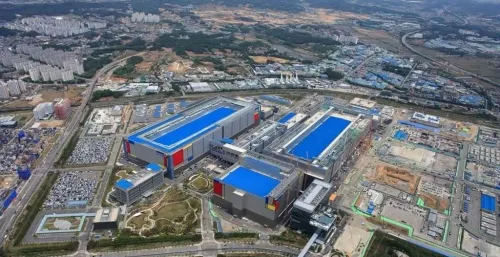
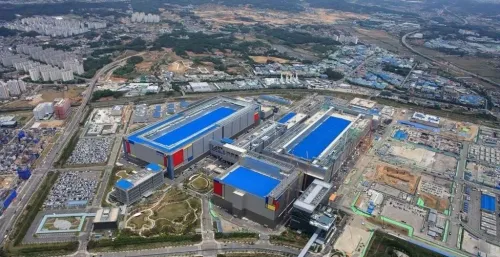
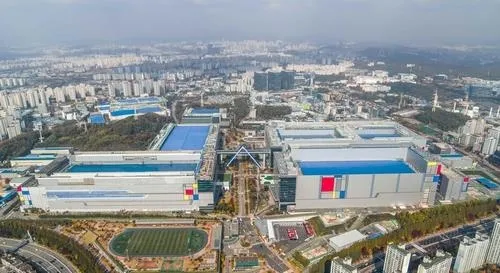
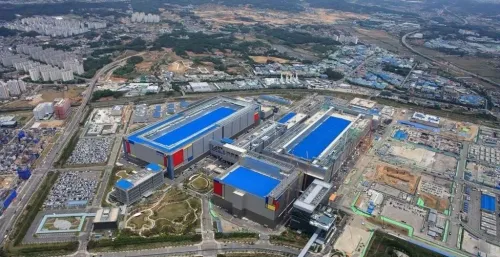
Samsung Electronics' largest labour union on Friday, 15 May declared it will press ahead with a planned 18-day general strike beginning next Thursday, rebuffing a last-minute management offer to resume wage negotiations without preconditions. The walkout, if it proceeds at full scale, could disrupt operations at the world's largest memory chipmaker at a critical moment in the global AI semiconductor supercycle.
Why the Union Rejected Management's Offer
Management sent an official proposal to the union earlier on Friday, its most direct overture yet to head off the stoppage. The offer proposed maintaining the current excess profit incentive system while allowing the bonus pool to be calculated on either 10 percent of operating profit or economic value added (EVA). The company also floated a new special compensation mechanism it said would create a more flexible incentive structure.
The union was unmoved. Choi Seung-ho, head of Samsung Electronics' largest labour union, said the organisation has no intention of engaging in further dialogue unless its core demands on performance-based bonuses are addressed first. 'We are willing to hold discussions after June 7,' Choi said, referring to the day after the planned strike is scheduled to end. 'We intend to exercise the rights guaranteed under the Constitution.'
What the Union Is Demanding
The union has demanded fixed performance bonuses equivalent to 15 percent of operating profit generated by Samsung's semiconductor division, along with the complete removal of the existing payout cap. This stands in sharp contrast to management's counter-offer, which preserves the cap and offers a narrower calculation basis.
Two days of government-led mediation talks concluded without agreement on Wednesday, with both sides remaining sharply divided. The union also rejected a government proposal for a fresh round of mediated talks scheduled for Saturday, insisting its preconditions must be met first.
Scale of the Planned Strike
Choi previously stated that around 41,000 unionised workers had expressed intent to join the general strike, with the number potentially rising to more than 50,000. Later on Friday, company executives again urged the union to return to the table, issuing a public apology to citizens and the government for the disruption.
'We view the union as one family and a partner sharing a common destiny, and we will engage in talks with an open attitude and without preconditions,' the executive statement read. Critics noted, however, that the executives again presented no new proposals beyond those already rejected by the union.
Economic Stakes for South Korea
The South Korean government has warned that a strike at Samsung Electronics must be avoided at all costs, citing significant risks to national economic growth. Observers estimate that a full-scale work stoppage could cost the South Korean economy up to 100 trillion won (approximately US$66.7 billion), given the country's heavy dependence on exports.
The stakes are underscored by Samsung's own financial performance: the company posted a record 57 trillion won in operating profit in the first quarter, with full-year operating profit projected at around 300 trillion won. South Korea's total exports hit a record $219.9 billion in the first quarter of 2026, with semiconductor exports surging 139 percent year-on-year to $78.5 billion, driven by accelerating investment in AI-related server infrastructure.
With both sides entrenched and Saturday's proposed mediation session now in doubt, the next 72 hours will determine whether one of the most consequential industrial disputes in South Korea's recent history can be resolved before the strike clock runs out.
Point of View
While management is offering a formula that preserves its discretion over payouts. Samsung's record profits — and the AI-driven supercycle behind them — make the union's 15% demand harder to dismiss as unreasonable, which is precisely why the government is alarmed. South Korea's export machine is running hot, but it is also running on a single engine, and any disruption at Samsung exposes how little diversification the economy has achieved despite years of pledges. The real question is whether either side calculates that the cost of capitulation is lower than the cost of a full 18-day stoppage — and right now, neither does.
NationPress
1 Oct 2026
Frequently Asked Questions
Why is Samsung Electronics facing a strike in 2026?
Samsung's largest labour union has called an 18-day general strike starting next Thursday over a dispute on performance-based bonuses. The union demands fixed bonuses equal to 15% of the semiconductor division's operating profit with no payout cap, while management has offered a narrower formula tied to 10% of operating profit or economic value added (EVA).
How many Samsung workers will join the strike?
Union head Choi Seung-ho said approximately 41,000 unionised workers have expressed intent to participate, with the number potentially exceeding 50,000 as the strike date approaches.
What is the economic impact of a Samsung strike on South Korea?
Observers estimate losses to the South Korean economy could reach up to 100 trillion won (roughly US$66.7 billion) if a full-scale strike proceeds, given the country's heavy reliance on semiconductor exports. South Korea's semiconductor exports surged 139% year-on-year to $78.5 billion in Q1 2026.
What did Samsung management offer to avoid the strike?
Management proposed maintaining the current excess profit incentive system with the bonus pool calculated on either 10% of operating profit or EVA, and also floated a new special compensation mechanism. The union rejected the offer, saying no talks will occur until after June 7.
When will Samsung resume talks with the union?
The union has said it will only engage in further discussions after June 7, the day after the planned 18-day strike is scheduled to conclude, unless its preconditions on performance bonuses are met beforehand.