CM Fadnavis Spotlights Parli Vaijnath Jyotirlinga in Shravan Campaign
Synopsis
Maharashtra CM Devendra Fadnavis on 17 August 2026 spotlighted the Parli Vaijnath Jyotirlinga in Beed district, honouring Ahilyadevi Holkar's 18th-century restoration of the dressed-stone temple as part of a Shravan-season heritage and tourism campaign.
Key Takeaways
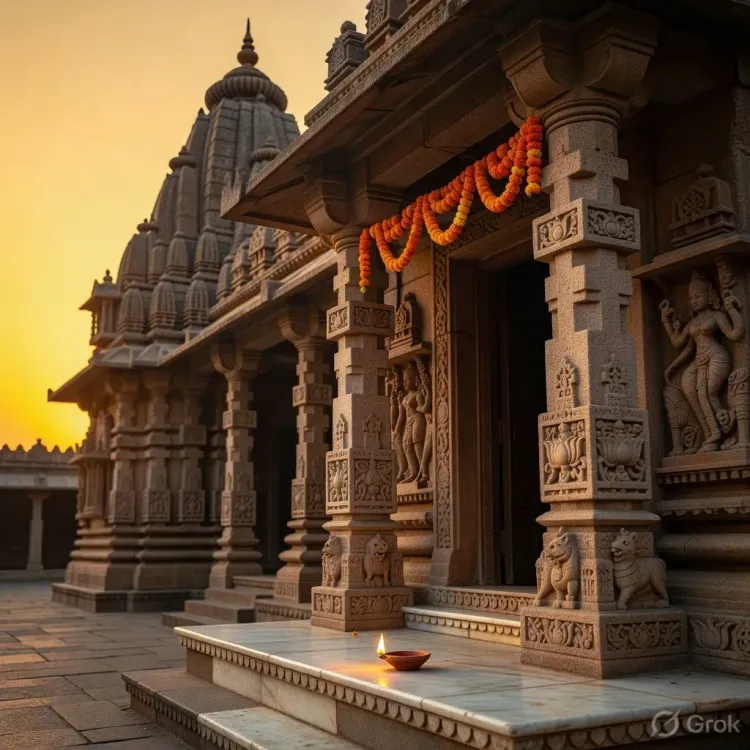
CM Devendra Fadnavis posted an image of Parli Vaijnath Jyotirlinga on 17 August 2026 under the #MaharashtrachiShivdhara campaign.
Parli Vaijnath is one of the twelve Jyotirlinga shrines of Shiva, located in Beed district, Marathwada .
The temple was restored by Punyashlok Rajmata Ahilyadevi Holkar , the Maratha ruler of Indore who reigned from 1767 to 1795 .
Maharashtra is home to five of the twelve Jyotirlingas — the highest concentration in any Indian state.
The post is timed to coincide with Shravan 2026 , the peak pilgrimage season for Shiva devotees.
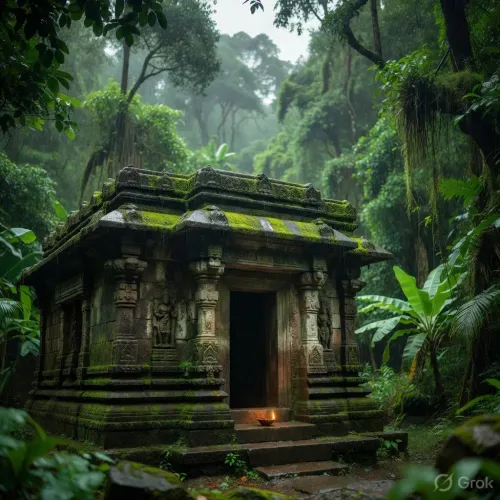
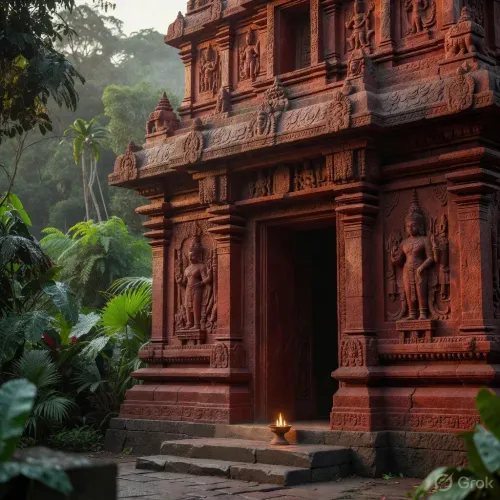
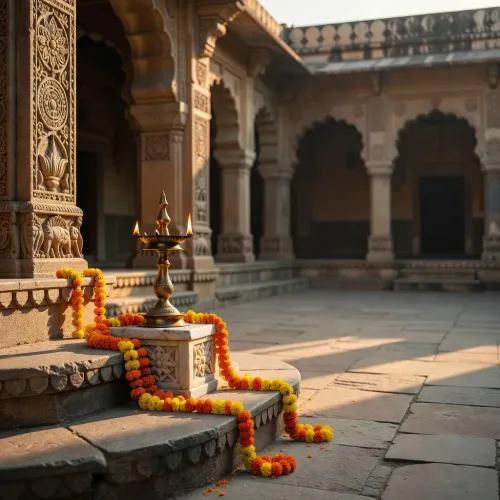
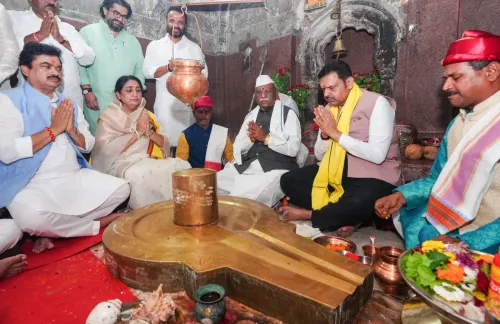
Carved in stone and sanctified by centuries of faith, the Parli Vaijnath Jyotirlinga in Beed district, Maharashtra is having its moment in the national spotlight. Maharashtra Chief Minister Devendra Fadnavis on Monday, 17 August 2026 shared an image of the ancient shrine on X, framing it as a crown jewel of the state's cultural and architectural heritage under the banner Maharashtrachi Shivdhara — Maharashtra's River of Shiva.
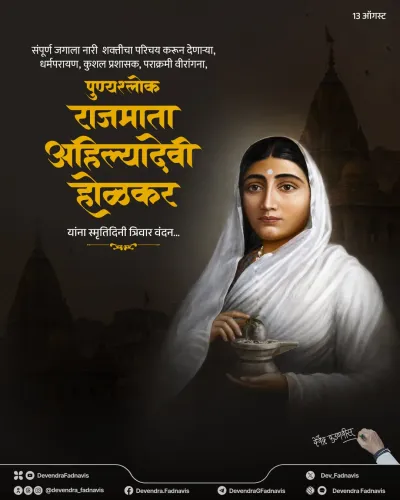
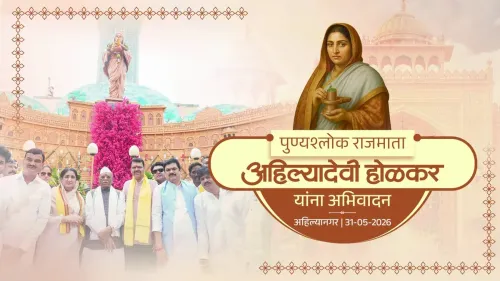
The post pays tribute to Punyashlok Rajmata Ahilyadevi Holkar, the revered 18th-century Maratha ruler of Indore, who undertook the restoration of the chirebandi (dressed-stone) temple. Fadnavis described it as 'aapale sanskrutik sthapatya vaibhav' — 'our cultural architectural splendour' — invoking Ahilyadevi's legacy as a builder of sacred India.
Ahilyadevi Holkar and the Temple She Rebuilt
Ahilyadevi Holkar, who ruled the Maratha Holkar dynasty's domain from 1767 to 1795, is celebrated across India for funding the restoration of dozens of Hindu temples, including several of the twelve Jyotirlinga shrines. Parli Vaijnath was among them. The temple's chirebandi construction — interlocking cut-stone masonry requiring no mortar — is itself a marker of classical Deccan craftsmanship. For Maharashtra, she is not merely a historical figure but a cultural touchstone, honoured with the title Punyashlok, meaning 'one whose name is blessed.'
The Parli Vaijnath temple sits in Beed district, in the Marathwada region of central Maharashtra. It is one of the state's five Jyotirlinga sites — the others being Trimbakeshwar, Bhimashankar, Aundha Nagnath, and Grishneshwar — making Maharashtra home to the highest concentration of Jyotirlingas in India.
Shravan Season and Maharashtra's Temple Tourism Push
The timing is deliberate. Shravan 2026 — the holiest month in the Hindu calendar for Shiva devotees — draws millions of pilgrims to Jyotirlinga temples across the country. State governments routinely amplify temple heritage messaging during this window, and Maharashtra is no exception. The hashtags #MaharashtrachiShivdhara and #MaharashtraTourism signal a coordinated seasonal push to channel pilgrimage interest into broader tourism footfall across the Marathwada belt.
For Beed district, a region more often in the news for agrarian distress than cultural tourism, the visibility is significant. A Jyotirlinga circuit that links Parli Vaijnath with Aundha Nagnath — both in Marathwada — has long been discussed as a potential driver for the region's economy.
Maharashtra's temples are not just faith infrastructure. They are, as Fadnavis's post quietly argues, an architectural and civilisational record — one that a queen rebuilt in stone three centuries ago, and that a chief minister is now asking a new generation to rediscover.
Point of View
Historical queens, and seasonal pilgrimage into a single cultural-nationalist narrative. By invoking Ahilyadevi Holkar — a figure who transcends caste and party lines — the CM signals a soft cultural outreach that doubles as tourism promotion for the economically stressed Marathwada region. The Shravan timing maximises organic reach among devotees already primed for temple content. Whether the campaign translates into concrete infrastructure investment for the Jyotirlinga circuit in Beed and Aundha will be the real test of intent behind the messaging.
NationPress
1 Oct 2026
Frequently Asked Questions
Where is Parli Vaijnath Jyotirlinga located?
Parli Vaijnath Jyotirlinga is located in Parli town, Beed district , in the Marathwada region of central Maharashtra. It is one of the twelve sacred Jyotirlinga shrines of Lord Shiva.
Who restored the Parli Vaijnath temple?
The temple was restored by Rajmata Ahilyadevi Holkar , the 18th-century Maratha ruler of Indore, who is celebrated across India for renovating numerous Hindu temples and Jyotirlinga shrines during her reign from 1767 to 1795 .
What is Maharashtrachi Shivdhara?
Maharashtrachi Shivdhara — meaning 'Maharashtra's River of Shiva' — is a cultural and heritage campaign hashtag used by the Maharashtra government to spotlight the state's Shiva temples and Jyotirlinga sites, particularly during the Shravan pilgrimage season.
How many Jyotirlingas are in Maharashtra?
Maharashtra has five of the twelve Jyotirlingas : Parli Vaijnath, Trimbakeshwar, Bhimashankar, Aundha Nagnath, and Grishneshwar — the highest concentration in any single Indian state.
Why is Shravan significant for Shiva temples?
Shravan is the holiest month in the Hindu calendar for devotees of Lord Shiva. Millions of pilgrims visit Jyotirlinga and other Shiva temples during this period, making it the peak season for temple tourism and religious footfall across Maharashtra and India.