Samsung workers vote 73.7% in favour of wage deal, averting strike
Synopsis
Samsung's chip workers voted 73.7% to approve a landmark wage deal on 27 May, averting an 18-day strike that could have rattled global AI hardware supply chains. The payout — potentially 600 million won per employee — is tied to aggressive profit targets and paid in stock over a decade. A dissenting DX division union has already moved court to nullify the vote.
Key Takeaways
73.7 percent of 62,616 Samsung union members approved the wage deal on 27 May 2025 .
The agreement was finalised just one hour before an 18-day strike was set to begin.
A special semiconductor bonus of 10.5 percent of business performance earnings will be paid in company stock over at least 10 years .
Payouts could reach up to 600 million won per employee for 28,000 chip division workers, based on projected profits.
A minor union representing the DX division has filed for a court injunction at Suwon District Court to suspend and nullify the vote.
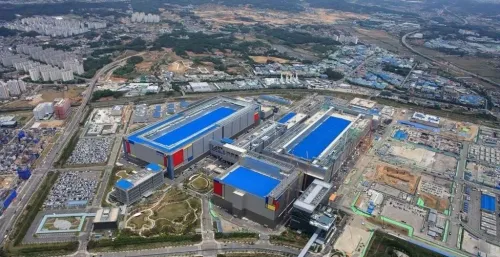
Unionised workers at Samsung Electronics voted on Wednesday, 27 May to approve a landmark wage agreement, with 73.7 percent of the 62,616 members across the company's two largest unions backing the tentative deal. The result eases concerns about potential disruptions to the global semiconductor supply chain and ends months of bitter standoff between labour and management.
How the Deal Was Reached
The agreement was finalised just one hour before an 18-day strike was set to commence at the world's leading memory chipmaker last Thursday. Labour and management had been deadlocked since late last year, primarily over performance-based bonuses tied to earnings from Samsung's artificial intelligence-related semiconductor business, amid a sustained global memory chip boom.
What the Agreement Covers
Under the terms of the deal, Samsung will allocate a special semiconductor performance bonus equivalent to 10.5 percent of business performance earnings, with no upper cap. The special bonuses will be paid out in company stock over a minimum of 10 years.
Payouts are tied to targets requiring the chip division to achieve more than 200 trillion won (approximately US$132 billion) in annual operating profit between 2026 and 2028, and 100 trillion won from 2029 to 2035. Of the total bonus pool, 40 percent will go to the division as a whole, while the remaining 60 percent will be distributed across individual business units.
Based on forecasts that Samsung's operating profit could reach 300 trillion won this year, the arrangement could translate into payouts of up to 600 million won for each of the 28,000 employees in the company's chip division.
A Dissenting Faction Challenges the Vote
The settlement is not without internal friction. A minor labour union representing members of Samsung's non-semiconductor device experience (DX) division filed for a court injunction at the Suwon District Court on Tuesday, requesting a suspension of the vote. The group alleged that the largest union had failed to respect the equality rights and voting rights of DX division members.
'We will fight until the very end to seek and attain a rational alternative, for the marginalised union members of the device experience (DX) division,' the union said in a statement. The group added that it also plans to file a separate lawsuit to nullify the vote result entirely.
What This Means for Global Chip Supply
The resolution is significant beyond Seoul. Samsung Electronics is the world's largest memory chipmaker, and any prolonged industrial action at its facilities would have rippled through global AI hardware supply chains at a particularly sensitive moment. This is the first major wage standoff at Samsung to reach the brink of a formal strike in recent years, underscoring growing labour assertiveness within South Korea's largest conglomerate. The Suwon court's response to the injunction request will be closely watched in the coming days.
Point of View
The deal's goodwill could evaporate fast. More broadly, this episode reflects a structural shift in South Korean labour relations: even at conglomerates once considered strike-proof, AI-era profit windfalls are raising worker expectations in ways that cannot be managed with legacy HR frameworks.
NationPress
10 Oct 2026
Frequently Asked Questions
What did Samsung Electronics workers vote on in May 2025?
Samsung Electronics workers voted on 27 May 2025 to approve a wage agreement between the company's two largest unions and management. The deal was backed by 73.7 percent of 62,616 eligible union members, averting an 18-day strike that had been set to begin the previous Thursday.
What does the Samsung wage deal include?
The deal grants a special semiconductor performance bonus equal to 10.5 percent of business performance earnings, with no cap. Bonuses will be paid in company stock over at least 10 years, tied to profit targets of over 200 trillion won annually from 2026 to 2028 and 100 trillion won from 2029 to 2035.
How much could Samsung chip division employees receive under the deal?
Based on forecasts of Samsung's operating profit reaching 300 trillion won this year, each of the 28,000 employees in the chip division could receive bonus payouts of up to 600 million won. The actual amount depends on whether the division meets its profit targets.
Why is a smaller Samsung union challenging the vote?
A minor union representing members of Samsung's non-semiconductor device experience (DX) division filed for a court injunction at the Suwon District Court, arguing the largest union did not respect the equality and voting rights of DX division members. The group also plans to file a lawsuit to nullify the vote result.
Why does the Samsung wage deal matter for global supply chains?
Samsung Electronics is the world's largest memory chipmaker, and a prolonged strike would have disrupted the supply of chips critical to global AI hardware production. The resolution removes a near-term supply chain risk at a sensitive moment for the semiconductor industry.