CM Sukhu: HP Spending ₹591 Cr on Chamba Roads
Synopsis
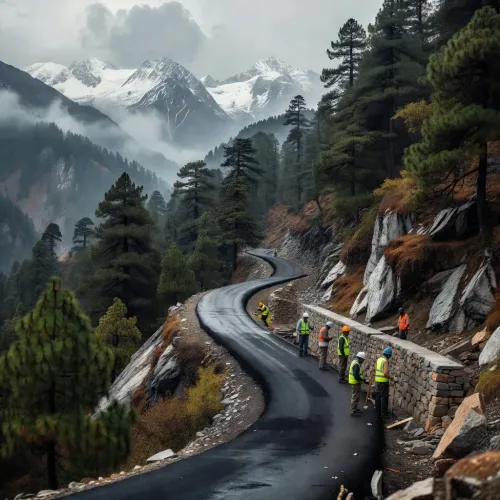
Himachal Pradesh CM Sukhvinder Singh Sukhu announced ₹591 crore for road repair and new construction in Chamba district — claiming a historic first — to connect the former 'aspirational district' with the rest of the state and boost its rural economy.
Key Takeaways
₹591 crore is being spent on road development in Chamba district , according to CM Sukhu's announcement on 3 August 2026 .
CM Sukhu described this as the highest expenditure on roads in Chamba's history, covering both repair of existing roads and construction of new ones.
Chamba was previously classified under NITI Aayog's Aspirational Districts Programme (launched 2018 ), which identified it as socio-economically lagging.
Better road connectivity is framed as a direct lever for integrating Chamba's rural economy with the rest of Himachal Pradesh .
Himalayan states have long treated road infrastructure as foundational — geographic isolation makes connectivity a precondition for economic and social development.
Completion timelines and quality audits of these road projects will be key indicators to watch in upcoming state budget reviews.
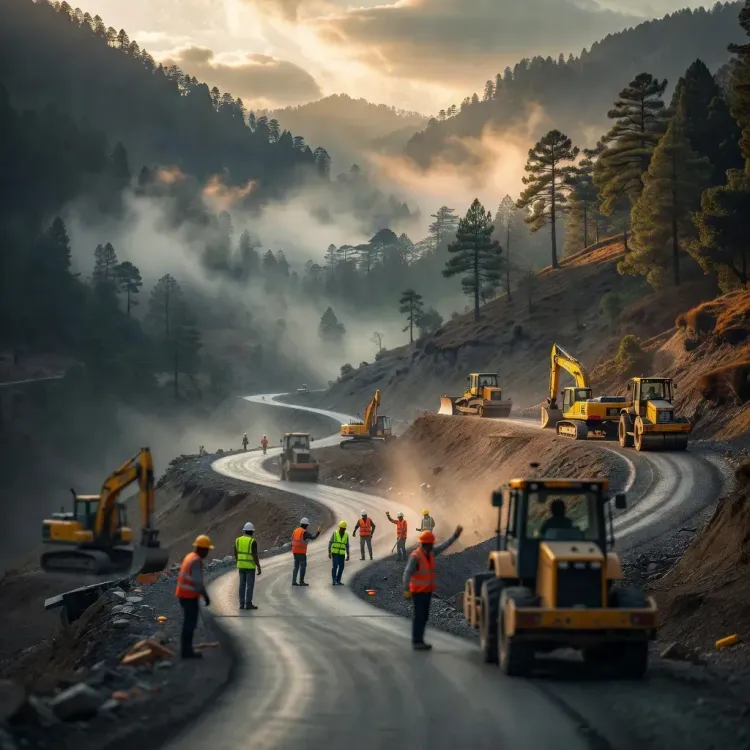
For a district once written off as 'aspirational' — a bureaucratic label for left-behind — Chamba is now at the centre of the biggest road-spending push in Himachal Pradesh's history. Himachal Pradesh Chief Minister Sukhvinder Singh Sukhu announced on Monday, 3 August 2026, that his government is committing ₹591 crore to road repair and new road construction in Chamba district — a figure he says is unprecedented in the district's record.
Posting in Hindi, CM Sukhu said: 'The development of Chamba district is among our government's priorities. We are spending ₹591 crore on road development here. For the first time in history, this much is being spent on road repair and construction of new roads.' He added that better road connectivity will link Chamba with the rest of the state and 'strengthen the rural economy.'
From 'Aspirational' to Connected: Chamba's Long Road
The tag 'aspirational district' — aakankshi zila — carries real weight. NITI Aayog launched its Aspirational Districts Programme in 2018, identifying 112 of India's most socio-economically lagging districts, Chamba among them. The classification was a frank admission: geographic isolation, poor road networks, and thin public investment had left these pockets behind. In Himachal Pradesh's rugged north, where a washed-out mountain road can cut a village off for weeks, infrastructure is not an amenity — it is the precondition for everything else.
Successive Himachal governments have used the Aspirational Districts framework as a lever to channel central and state funds into connectivity. The Pradhan Mantri Gram Sadak Yojana, running since 2000, has funded rural road links across the state, but remote districts like Chamba have historically seen slower progress due to difficult terrain and higher per-kilometre construction costs.
Why ₹591 Crore Matters for Chamba's Rural Economy
The arithmetic of mountain connectivity is stark: a paved road to a village opens access to markets, hospitals, schools, and supply chains simultaneously. CM Sukhu's framing — that this is 'an important step toward empowering the rural economy' — points directly at that multiplier effect. Farmers can move produce, traders can reach customers, and daily wage workers can commute to employment centres that were previously too far.
The scale of the outlay, if delivered, would mark a decisive shift in capital allocation toward Chamba. What to watch now: completion timelines, quality audits as projects roll out, and whether district development indices — the same metrics that earned Chamba the 'aspirational' tag — begin to move in upcoming state budget reviews.
Chamba was once defined by what it lacked. The government is now betting ₹591 crore that the next chapter looks very different.
Point of View
And at what pace, will determine whether the political dividend actually lands.
NationPress
18 Sept 2026
Frequently Asked Questions
How much is Himachal Pradesh spending on Chamba roads?
CM Sukhvinder Singh Sukhu announced that the Himachal Pradesh government is spending ₹591 crore on road repair and new road construction in Chamba district, describing it as the highest-ever expenditure on roads in the district's history.
Why was Chamba called an aspirational district?
Chamba was classified under NITI Aayog's Aspirational Districts Programme , launched in 2018 , which identified 112 socio-economically lagging districts across India. Chamba's inclusion reflected gaps in infrastructure, connectivity, and development indicators.
What is the Aspirational Districts Programme?
The Aspirational Districts Programme was launched by NITI Aayog in 2018 to improve socio-economic indicators in India's 112 most backward districts by targeting health, education, agriculture, and infrastructure, including road connectivity.
How will road development help Chamba's economy?
Better roads will connect Chamba's villages to markets, healthcare, and employment centres, enabling farmers to move produce, traders to expand reach, and workers to commute — directly strengthening the rural economy, as stated by CM Sukhu.
What is Sukhvinder Singh Sukhu's role in Himachal Pradesh?
Sukhvinder Singh Sukhu is the Chief Minister of Himachal Pradesh , in office since December 2022 , and a leader of the Indian National Congress .