Rajasthan CMO Flags War-Driven Oil Price Surge Under PM Modi
Synopsis
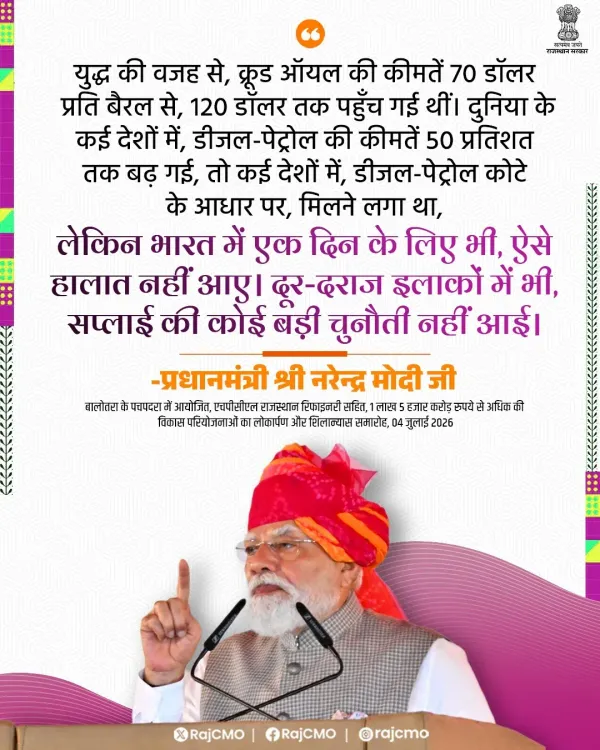
The Chief Minister's Office of Rajasthan posted on X noting that war pushed global crude oil prices from $70 to $120 per barrel, tagging PM Narendra Modi and framing the observation within the state's development and energy resilience narrative.
Key Takeaways
The Chief Minister's Office of Rajasthan posted on 4 July 2026 about war-driven crude oil price volatility.
The post states crude oil prices rose from $70 per barrel to $120 per barrel due to geopolitical conflict.
The price movement cited matches the documented surge during the Russia-Ukraine war that began in February 2022 .
Prime Minister Narendra Modi was tagged, linking the observation to central government economic stewardship.
The post used hashtags #PMModi4ViksitRajasthan and #आपणो_अग्रणी_राजस्थान , connecting energy policy to Rajasthan's development vision.
India's large crude import dependence makes global price spikes a major fiscal and inflationary pressure for both Union and state governments.
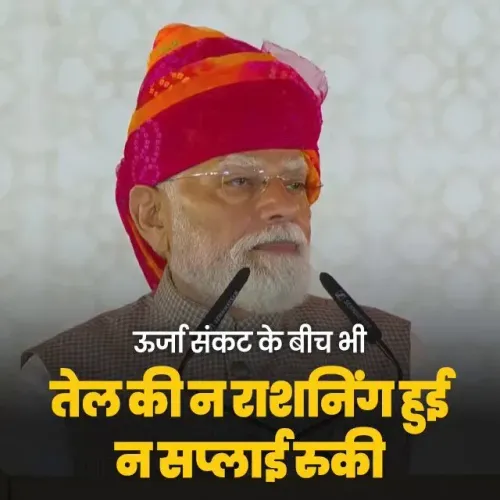
The Chief Minister's Office of Rajasthan on Saturday, 4 July 2026, posted on X highlighting how geopolitical conflict drove global crude oil prices from $70 per barrel to as high as $120 per barrel, tagging Prime Minister Narendra Modi and linking the observation to the state's development vision under the hashtag #आपणो_अग्रणी_राजस्थान (Our Leading Rajasthan).
Context
The post states in Hindi: 'युद्ध की वजह से, क्रूड ऑयल की कीमतें 70 डॉलर प्रति बैरल से, 120 डॉलर तक पहुँच गई थीं' — translated: 'Because of the war, crude oil prices had risen from $70 per barrel to $120.' The reference aligns with the documented price trajectory during the Russia-Ukraine conflict, which began in February 2022 and sent Brent crude surging to peaks above $120 per barrel within weeks, from a baseline of roughly $70–80 per barrel.
The post tags @narendramodi, signalling an intent to contextualise the price shock within the central government's economic stewardship and energy security record.
Policy Backdrop
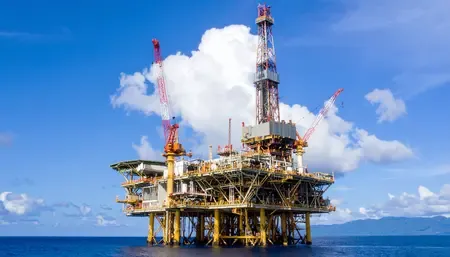
India is one of the world's largest crude oil importers, making global price spikes acutely consequential for its fuel subsidy bill, current-account deficit, and retail inflation. The Russia-Ukraine war represented one of the sharpest geopolitical energy shocks in recent decades, testing the fiscal resilience of both the Union and state governments.
Successive central governments — including the Modi administration — have responded to such volatility through diplomatic outreach to Gulf producers, expansion of strategic petroleum reserves, and accelerated renewable energy targets aimed at reducing long-term import dependence. Rajasthan, India's largest state by area, has significant solar energy potential and has been positioned within this broader national energy-transition narrative.
Stakeholders and Impact
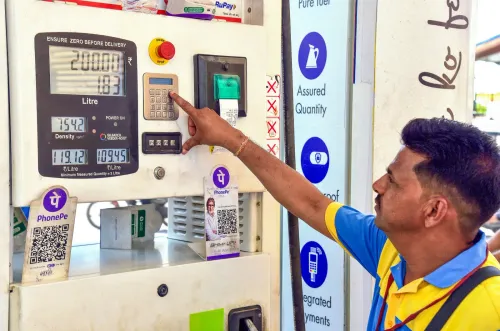
When crude prices spike to $120 per barrel, the burden falls unevenly across the economy. Indian petroleum consumers face higher pump prices, transport costs rise, and state governments — which collect fuel taxes — must balance revenue needs against public affordability. Rajasthan's vast geography makes it particularly sensitive to diesel price movements, which affect agricultural pump sets, freight, and rural livelihoods.
The post's framing, connecting war-driven energy volatility to PM Modi's governance record, reflects a broader BJP political communication strategy of crediting central leadership with navigating global economic turbulence while advancing state-level development goals under #PMModi4ViksitRajasthan (PM Modi for a Developed Rajasthan).
What's Next
Energy price management is expected to remain a central theme in Indian fiscal planning, with attention on Union Budget 2027 fuel-subsidy allocations and any new strategic petroleum reserve site announcements. For Rajasthan, aligning state energy policy with central renewable-energy targets could reduce its exposure to future crude price shocks driven by geopolitical conflict. The CMO's messaging suggests the state government intends to keep energy security and economic resilience at the forefront of its political narrative ahead of future electoral cycles.
Point of View
The state government is reinforcing the message that Rajasthan's growth story is inseparable from national leadership. This reflects a well-worn BJP communication pattern of connecting geopolitical context to domestic governance credit. The timing and framing suggest the party is building a pre-electoral economic record, using energy price resilience as a proof point for 'Viksit Rajasthan' (Developed Rajasthan).
NationPress
4 Jul 2026
Frequently Asked Questions
Why did crude oil prices rise from $70 to $120 per barrel?
The sharp rise in crude oil prices from roughly $70 to above $120 per barrel was primarily driven by the Russia-Ukraine war, which began in February 2022 and caused major disruptions to global energy supply chains.
What did the Rajasthan CMO post on X about oil prices?
The Chief Minister's Office of Rajasthan posted on X on 4 July 2026 stating that due to war, crude oil prices had risen from $70 per barrel to $120, tagging PM Narendra Modi and linking it to the state's development agenda.
How does crude oil price rise affect India?
India is a major crude oil importer, so price spikes significantly increase the country's fuel subsidy burden, widen the current-account deficit, and push up retail inflation, affecting consumers and state government finances alike.
What is #PMModi4ViksitRajasthan?
'#PMModi4ViksitRajasthan' translates to 'PM Modi for a Developed Rajasthan' and is a BJP political hashtag used to associate Prime Minister Modi's national governance with Rajasthan's state-level development goals.
What is India doing to reduce dependence on crude oil imports?
India has been expanding strategic petroleum reserves, accelerating renewable energy deployment, and pursuing diplomatic outreach to Gulf producers to cushion the impact of global crude price volatility on its economy.