Rajasthan CMO: Police must prioritise women victims' dignity
Synopsis
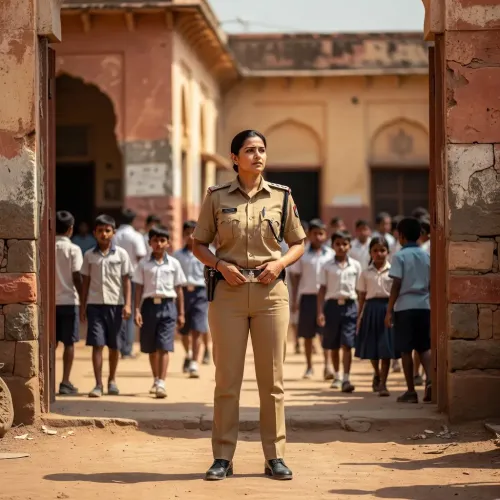
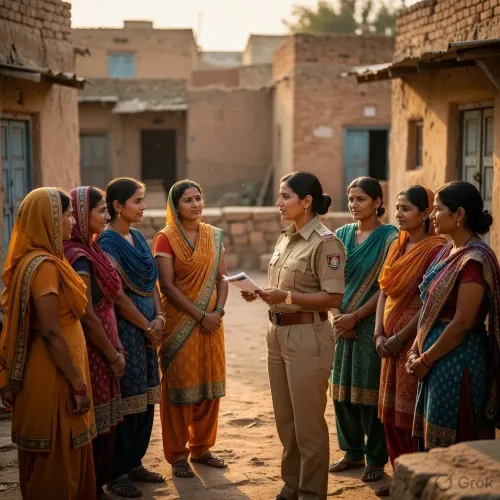
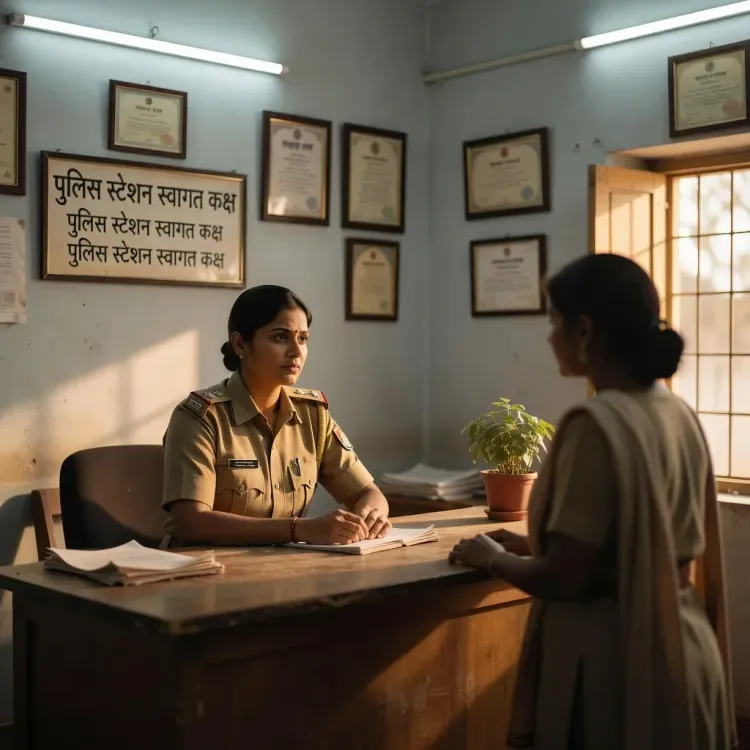
The Chief Minister's Office of Rajasthan directed state police on 19 October 2026 to treat complaints from women and girls with full seriousness, preserve their privacy and dignity, and ensure necessary support — framing these obligations as core policing priorities under CM Bhajanlal Sharma.
Key Takeaways
The Chief Minister's Office of Rajasthan issued a public directive to state police on 19 October 2026 .
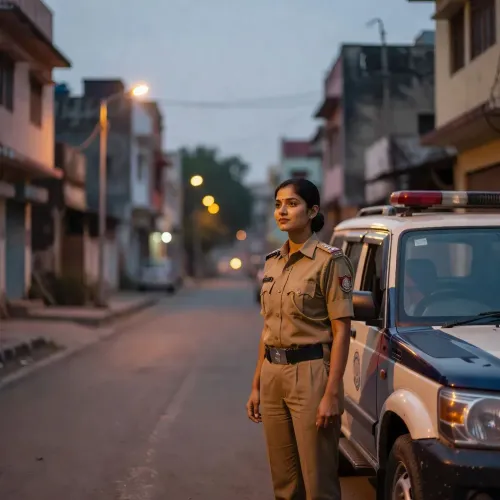
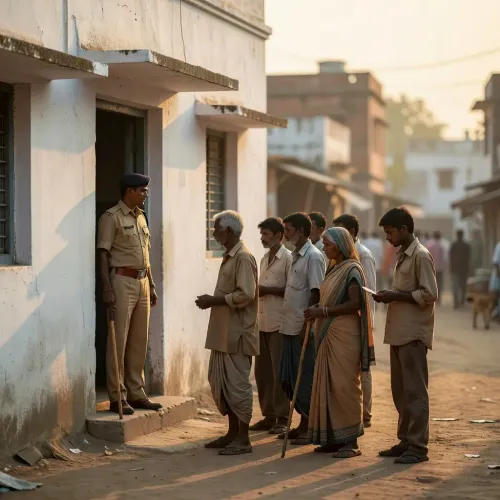
Police are told to listen seriously to every complaint from a victimised woman or girl , respect her privacy and dignity, and provide necessary assistance.
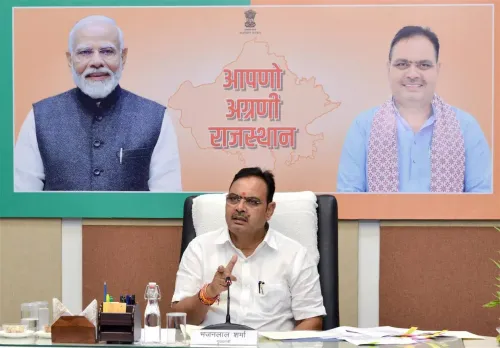
The message is addressed to Chief Minister Bhajanlal Sharma of the BJP, in office since December 2023 .
The directive builds on post- Nirbhaya (2012) reforms that mandated gender-sensitive protocols and women's cells in police stations across India.
The hashtag #आपणो_अग्रणी_राजस्थान ties the directive to the government's 'pioneering Rajasthan' governance brand.
Follow-up circulars from the Rajasthan Home Department on police training and victim-support audits are the key implementation signal to watch.
Every complaint from a woman or girl in distress deserves to be heard with gravity, her privacy protected, and real help delivered — not dismissed at a desk. That is the standard the Chief Minister's Office of Rajasthan set for state police in a pointed directive posted on Monday, 19 October 2026.
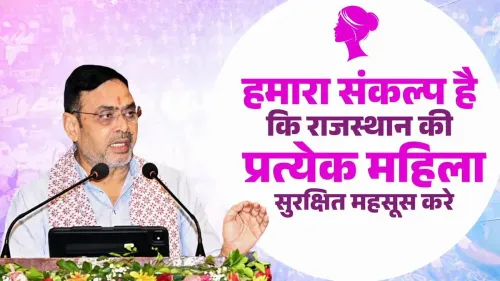
The post, addressed to Chief Minister Bhajanlal Sharma, stated in Hindi: 'Kisi bhi peedit mahila ya balika ki shikayat ko gambhirta se sunna, uski nijata aur garima ka dhyan rakhna tatha aavashyak sahayata uplabdh karvana, police ki prathamikta honi chahiye' — 'Listening seriously to any complaint from a victimised woman or girl, respecting her privacy and dignity, and ensuring necessary assistance: these must be the priorities of the police.'
A reminder rooted in a decade of reform
The directive lands in a policy landscape shaped by years of hard reform. After the 2012 Nirbhaya case, Indian states — including Rajasthan — overhauled how police stations handle sexual-offence complaints, establishing dedicated women's cells and mandating gender-sensitive protocols. The CMO's latest message signals that following those protocols is not optional procedure but the defining expectation of the government.
Rajasthan Police operates through hundreds of district stations across a vast and unevenly urbanised state. The gap between written protocol and ground-level practice has long been a concern for advocacy groups working with survivors, making the explicit, public articulation of this standard by the top executive office meaningful in itself.
Gender sensitivity as a policing benchmark
The Bhajanlal Sharma government has framed law-and-order reform as a central pillar of its governance agenda since taking office in December 2023. Statements like this one sit within a broader pattern — seen in several BJP-governed states — of issuing clear public benchmarks for police conduct toward women, coupling political messaging with internal administrative pressure on district superintendents and station officers.
What distinguishes this post is its specificity: it names three concrete obligations — listening seriously, protecting privacy and dignity, and ensuring necessary assistance — rather than offering a vague promise of 'safety for women.' That specificity matters, because it creates a measurable expectation that citizens and oversight bodies can hold police to.
The hashtag #आपणो_अग्रणी_राजस्थान ('Our Pioneering Rajasthan') frames the message within the government's branding of Rajasthan as a model state — adding a reputational stake to what might otherwise read as routine internal guidance. Now watch for follow-up circulars from the Rajasthan Home Department on training modules and victim-support audits at district stations: that is where the directive will either take root or fade.
Point of View
Protect dignity, ensure assistance — is more than symbolic; it creates an accountable benchmark that civil society and oversight bodies can invoke when police fall short. It also fits a wider BJP state-government strategy of occupying the 'law and order for women' political ground through visible, quotable directives rather than waiting for legislative action. The real test will come from the Home Department: if training modules and station-level audits follow, this is governance in motion; if they do not, the post functions primarily as communication. Either way, it raises the bar for what victims and their families can demand at a police counter.
NationPress
19 Oct 2026
Frequently Asked Questions
What did the Rajasthan CMO post about women victims on 19 October 2026?
The Chief Minister's Office of Rajasthan posted that police must treat every complaint from a victimised woman or girl seriously, protect her privacy and dignity, and provide all necessary assistance — framing these as core priorities for state police.
Who is the Chief Minister of Rajasthan in 2026?
Bhajanlal Sharma of the Bharatiya Janata Party is the Chief Minister of Rajasthan, having taken office in December 2023.
What is the Rajasthan Police's obligation toward women complainants under existing law?
Post the 2012 Nirbhaya case reforms, Rajasthan Police is required to handle complaints of crimes against women through dedicated women's cells and gender-sensitive protocols that protect victim privacy and ensure timely support.
What does #आपणो_अग्रणी_राजस्थान mean?
The Hindi hashtag translates to 'Our Pioneering Rajasthan' and is used by the Rajasthan government to brand its governance initiatives as setting a model standard for the state.
What should I watch for after this Rajasthan police directive on women victims?
The key follow-up is whether the Rajasthan Home Department issues specific circulars on police training modules and audits of victim-support protocols at district police stations, which would signal real implementation.