VB-G RAM G: Rajasthan CM Bhajanlal Sharma launches 125-day rural jobs scheme
Synopsis
Rajasthan has launched VB-G RAM G with a record ₹12,636 crore allocation, promising 125 days of guaranteed rural work — 25 more than MGNREGA — backed by AI monitoring and mandatory weekly wages. The real question is whether its transparency architecture can close the accountability gaps that dogged its predecessor.
Key Takeaways
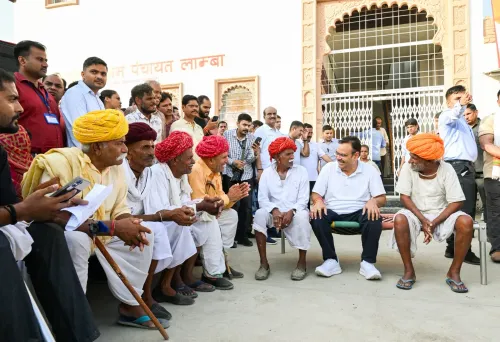
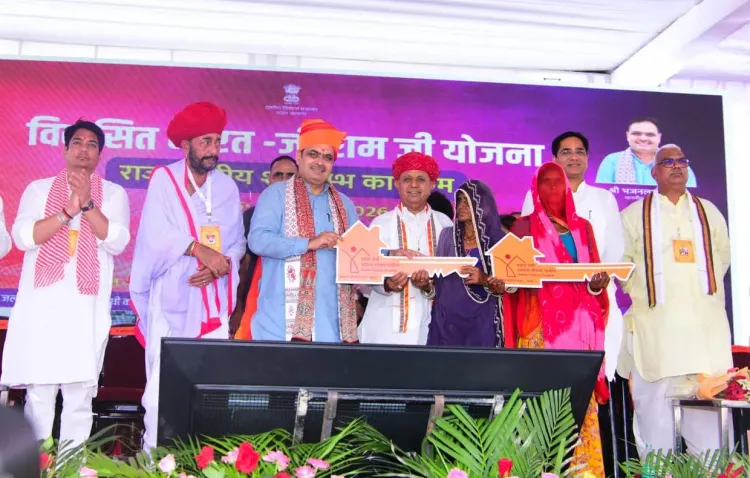
Rajasthan CM Bhajanlal Sharma launched VB-G RAM G on 2 July via video conference from Beawar district .
The scheme guarantees 125 days of annual rural employment, up from 100 days under MGNREGA.
Rajasthan has allocated a record ₹12,636 crore for the scheme in 2026-27 .
State governments can declare a 60-day seasonal work break during sowing and harvesting periods.
Transparency measures include geo-tagging , AI monitoring , and digital social audits every six months.
Administrative expenditure ceiling raised from 6% to 9% ; weekly wages mandatory with auto-compensation for delays beyond two weeks .
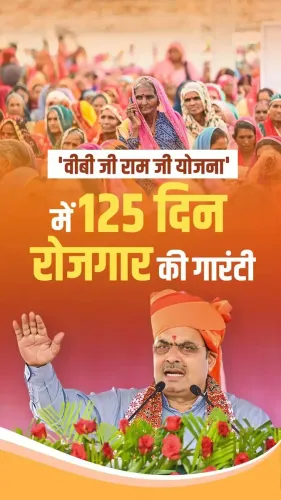
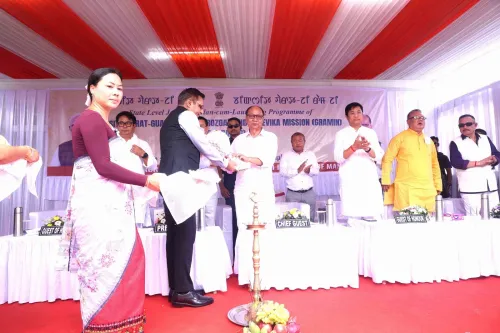
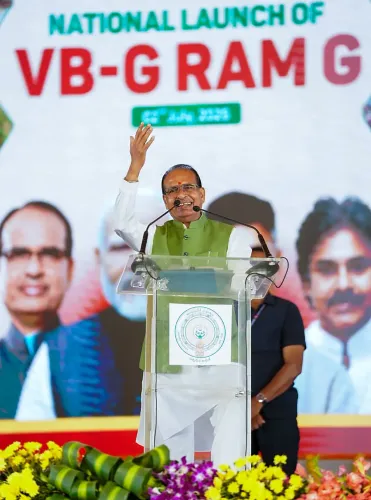
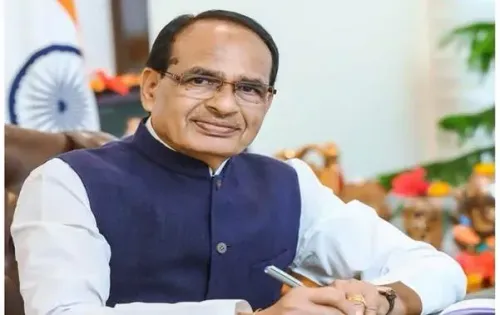
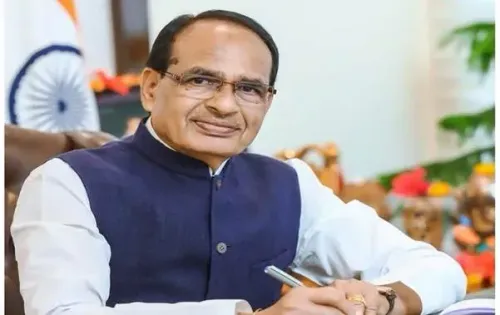
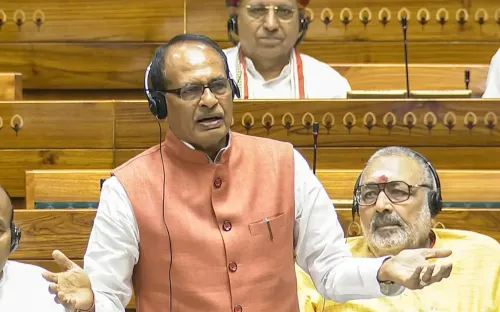
Rajasthan Chief Minister Bhajanlal Sharma on Thursday, 2 July formally launched the Viksit Bharat Guarantee for Rozgar and Aajeevika Mission (Gramin) — or VB-G RAM G — at the state level, describing it as a transformative step in rural employment that guarantees 125 days of work annually, up from the 100 days offered under the previous framework. The Chief Minister participated via video conference from the Masuda Agricultural Produce Market in Beawar district, while the national launch was led simultaneously by Union Minister for Rural Development, Agriculture and Farmers' Welfare Shivraj Singh Chouhan from Tirupati, Andhra Pradesh.
What VB-G RAM G Promises
The scheme extends guaranteed rural employment to 125 days per year and allows state governments to declare a 60-day work break during sowing and harvesting seasons, addressing a longstanding concern that rural employment programmes compete with agricultural labour demand. Sharma described VB-G RAM G as more than a jobs programme — framing it as a comprehensive rural development initiative centred on water conservation, rural infrastructure, livelihood generation, and disaster management.
Transparency measures include geo-tagging, satellite imagery, mobile applications, and artificial intelligence (AI)-based monitoring. Digital social audits will be conducted every six months. A multi-level digital grievance redressal system with fixed timelines and district ombudsmen has also been introduced, along with mandatory weekly wage payments and automatic compensation for delays beyond two weeks.
Rajasthan's Record Allocation
Sharma announced that the Rajasthan government has allocated ₹12,636 crore for VB-G RAM G in the 2026-27 financial year — the highest-ever allocation for rural employment in the state, according to the Chief Minister. The funds are earmarked for creating permanent village assets including roads and water infrastructure.
The administrative expenditure ceiling has been raised from 6 per cent to 9 per cent to improve staffing, technical support, training, and monitoring — a structural shift aimed at addressing implementation gaps that have historically plagued rural employment schemes.
Sharp Criticism of MGNREGA
Sharma used the launch to level pointed criticism at the Mahatma Gandhi National Rural Employment Guarantee Act (MGNREGA), alleging it fell short of its intended goals due to poor planning and weak monitoring. He claimed many projects under the previous scheme produced temporary roads, incomplete water structures, and unplanned earthworks with little long-term benefit.
The Chief Minister further alleged irregularities including fake and duplicate job cards, bogus beneficiaries, manipulated attendance records, and delayed or incomplete wage payments, and said social audits were often ineffective or merely procedural. He also alleged that misinformation was being spread about VB-G RAM G, calling the scheme an example of cooperative federalism.
Additional Announcements for Rajasthan
Sharma announced the construction of a ₹2 crore shelter facility for visitors at Devmali village — recognised by the Government of India as the Best Tourist Village — along with renovation of the village pond and road development works to boost tourism. He noted that farmers in 26 districts are already receiving daytime electricity, with the government targeting full coverage across all districts by 2027. He also reiterated the government's commitment to providing 4 lakh government jobs to the state's youth.
With the scheme now live, attention will turn to whether its transparency mechanisms — particularly AI-based monitoring and digital social audits — deliver measurably better outcomes than the framework it seeks to replace.
Point of View
Seasonal work-break provision, and AI-based monitoring represent genuine design improvements over MGNREGA. But the scheme's credibility rests on execution, not architecture: India's rural employment programmes have a long history of well-designed frameworks undone by ground-level leakage. The ₹12,636 crore Rajasthan allocation is the headline, but the harder test will be whether digital social audits and district ombudsmen actually function or become the next generation of 'merely procedural' safeguards. Sharma's sharp critique of MGNREGA is also politically pointed — framing a national programme associated with the previous Congress-era policy as fundamentally flawed sets up a clear accountability contrast, but it also raises the bar for his own government's delivery.
NationPress
1 Oct 2026
Frequently Asked Questions
What is the VB-G RAM G scheme?
VB-G RAM G — the Viksit Bharat Guarantee for Rozgar and Aajeevika Mission (Gramin) — is a rural employment and development scheme that guarantees 125 days of work per year, up from 100 days under MGNREGA. It focuses on water conservation, rural infrastructure, livelihood generation, and disaster management, backed by AI-based monitoring and digital social audits.
How does VB-G RAM G differ from MGNREGA?
VB-G RAM G increases guaranteed employment from 100 to 125 days annually and introduces several new features: a 60-day seasonal work break, mandatory weekly wages with automatic delay compensation, AI and satellite-based monitoring, and digital social audits every six months. The administrative expenditure ceiling has also been raised from 6% to 9% to improve implementation quality.
How much has Rajasthan allocated for VB-G RAM G?
The Rajasthan government has allocated ₹12,636 crore for VB-G RAM G in the 2026-27 financial year, which Chief Minister Bhajanlal Sharma described as the highest-ever allocation for rural employment in the state. The funds are earmarked for permanent village assets including roads and water infrastructure.
Who launched VB-G RAM G nationally?
The national launch was led by Union Minister for Rural Development, Agriculture and Farmers' Welfare Shivraj Singh Chouhan from Tirupati, Andhra Pradesh, on 2 July. The Rajasthan state-level launch was conducted simultaneously by Chief Minister Bhajanlal Sharma via video conference from Beawar district.
What transparency mechanisms does VB-G RAM G include?
The scheme uses geo-tagging, satellite imagery, mobile applications, and artificial intelligence for monitoring. Digital social audits will be held every six months, and a multi-level grievance redressal system with district ombudsmen and fixed resolution timelines has been introduced to address complaints.