CM Bhajan Lal Sharma Clears Rajasthan Agri-Food Processing Policy 2026
Synopsis
Rajasthan Chief Minister Bhajan Lal Sharma's cabinet approved the Agriculture and Food Processing Policy 2026 on 7 August, aiming to attract industrial investment into agri-processing, establish food-processing units across the state, and raise farmer incomes — aligning with central schemes like PMFME and PLI.
Key Takeaways
The Rajasthan Agriculture and Food Processing Policy, 2026 was approved at a state cabinet meeting on 7 August 2026 .
Chief Minister Bhajan Lal Sharma described the policy as a 'milestone' for attracting investment, setting up food-processing units, and increasing farmer incomes.
Rajasthan has a large agricultural base but historically thin processing infrastructure — the policy targets that structural gap.
The move follows similar dedicated food-processing frameworks adopted by Maharashtra and Uttar Pradesh , and aligns with central schemes PMFME and PLI for food processing .
Specific incentives, investment targets, and district-level rollout plans are yet to be notified.
Rajasthan's state cabinet has greenlit a dedicated agriculture and food-processing policy — a move that signals the Bhajan Lal Sharma government's intent to shift the state's farm economy from raw produce to value-added output. The Rajasthan Agriculture and Food Processing Policy, 2026 was approved at a cabinet meeting on Friday, 7 August 2026, with the chief minister framing it as a milestone for farmer income and fresh industrial investment.
Posting on X, Rajasthan Chief Minister Bhajan Lal Sharma said the policy would serve as 'meel ka patthar' — a milestone — in 'attracting new investment in the agriculture sector, establishing food-processing units, and increasing the income of our farmer brothers and sisters.' The cabinet decision carries the hashtag #AapnoAgraṇiRajasthan, the government's branding around a 'leading Rajasthan' vision.
From Field to Factory: What the Policy Targets
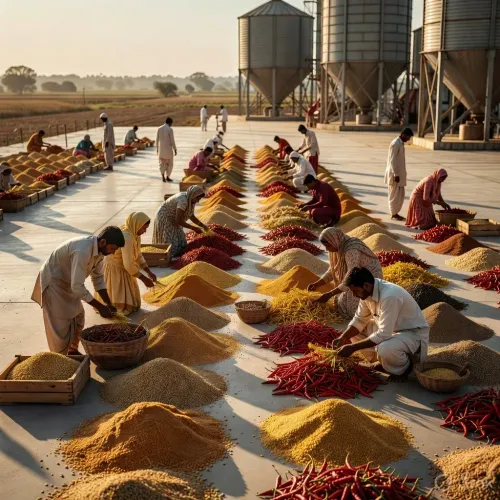
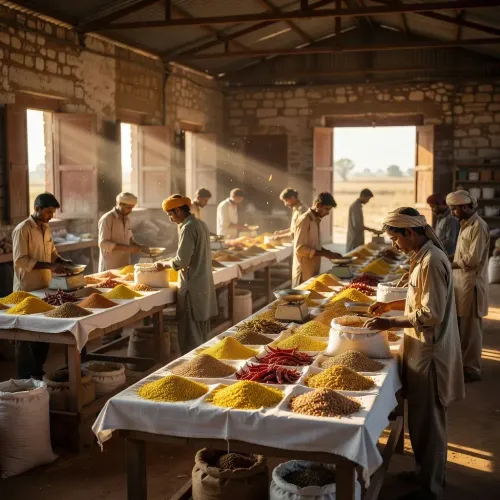
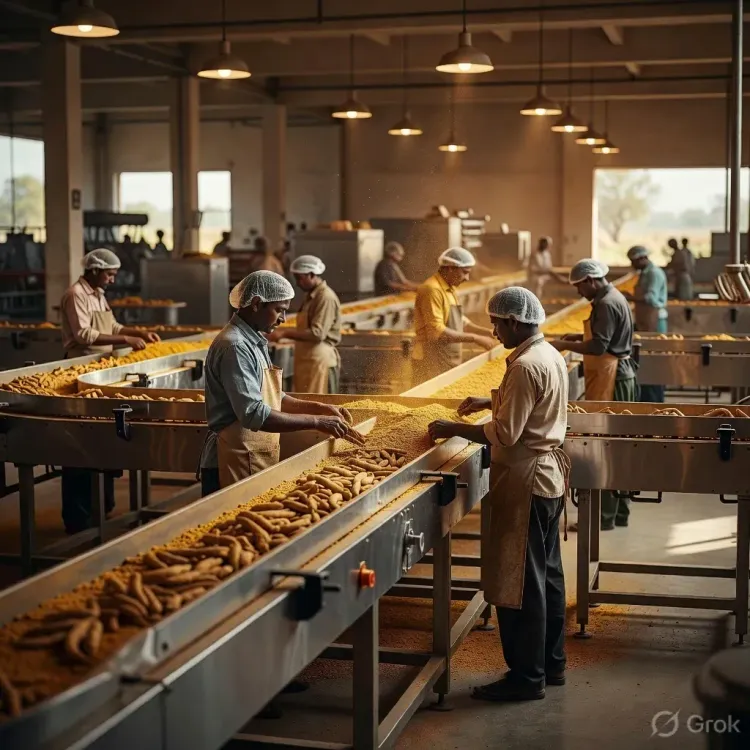
At its core, the 2026 policy is designed to close the gap between what Rajasthan's farmers grow and what the market pays for processed goods. The state has a large agricultural base — spanning oilseeds, pulses, spices, and horticulture — but a historically thin processing infrastructure, meaning much of the value in the chain has leaked out of the state. A dedicated food-processing policy is the government's answer to that structural gap.
Rajasthan's earlier industrial policies in the 2010s did include agro-processing clusters, but a standalone, dedicated framework for agriculture and food processing marks a sharper policy focus. The specific incentives, investment targets, and district-level rollout plans are expected to be notified in the coming months.
A State-Level Push That Mirrors a National Playbook
Rajasthan is not moving in isolation. Across India, state governments have increasingly adopted dedicated food-processing frameworks to climb the agricultural value chain and reduce post-harvest losses — a chronic drain on farmer incomes. Maharashtra and Uttar Pradesh have run similar initiatives, and the central government's own PM Formalisation of Micro Food Processing Enterprises (PMFME) scheme and the Production Linked Incentive (PLI) programme for food processing have created a ready architecture of co-funding that state policies can plug into.
For CM Sharma, who took office in December 2023, this cabinet decision adds a concrete economic-policy plank ahead of the policy's implementation phase. The proof, as always with such frameworks, will be in the notification details — the quantum of subsidy, the ease of land allocation, and whether processing units actually take root beyond the state's existing industrial corridors.
Rajasthan's farmers are waiting to see whether this milestone is also a turning point.
Point of View
Which has sought to project an investor-friendly image since taking office in late 2023. Politically, it lets the BJP government in Jaipur demonstrate economic action for the farming community — a constituency that proved decisive in the 2023 state election. The real test, however, is execution: India's policy landscape is littered with well-worded frameworks that stalled at the notification stage. Whether this policy unlocks actual processing capacity will depend on the incentive structure and bureaucratic follow-through that emerge in the coming months.
NationPress
22 Sept 2026
Frequently Asked Questions
What is the Rajasthan Agriculture and Food Processing Policy 2026?
It is a state government policy approved by the Rajasthan cabinet on 7 August 2026, aimed at attracting new investment in agriculture, establishing food-processing units, and increasing farmer incomes through value-added processing.
Who approved the Rajasthan Agriculture and Food Processing Policy 2026?
The policy was approved by the Rajasthan state cabinet under Chief Minister Bhajan Lal Sharma at a cabinet meeting held on 7 August 2026.
How will this policy benefit Rajasthan farmers?
By encouraging the establishment of food-processing units, the policy aims to reduce post-harvest losses and help farmers earn more by selling processed or value-added products rather than raw produce.
Does this policy connect to any central government scheme?
Yes, it aligns with central initiatives including the PM Formalisation of Micro Food Processing Enterprises (PMFME) scheme and the Production Linked Incentive (PLI) programme for food processing, which offer co-funding frameworks for states.
When will the Rajasthan Food Processing Policy 2026 be implemented?
Specific incentives, investment targets, and district-level rollout plans are expected to be notified in the months following the cabinet approval on 7 August 2026.