Rajasthan minister orders zero-tolerance on ragging, 14 colleges get NMC notices
Synopsis
Rajasthan's health minister has put medical colleges on notice — literally. With the NMC issuing 14 notices to Rajasthan colleges alone within a month over disturbing ragging complaints, Minister Khimsar has now extended accountability to college administrations themselves, signalling that institutional negligence will carry the same consequences as student perpetration.
Key Takeaways
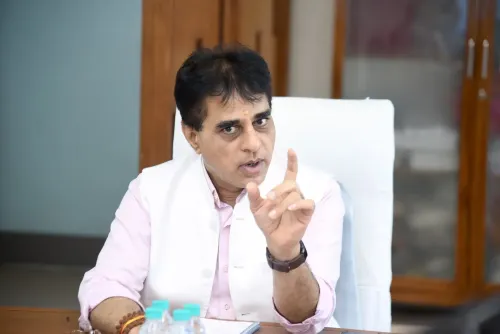
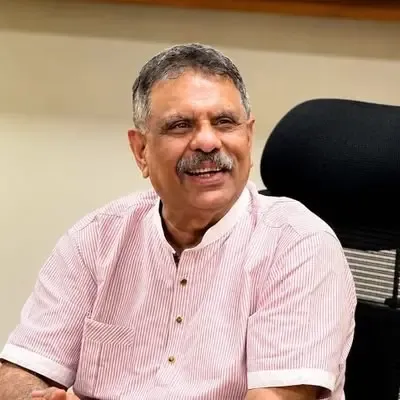
Minister Gajendra Singh Khimsar on 16 November 2026 ordered zero-tolerance on ragging across all government and private medical colleges in Rajasthan .
The NMC has issued 19 notices to 16 colleges within a month; 14 notices target Rajasthan colleges specifically.
Complaints reportedly include forcing students to imitate sexual acts, stay awake late, face social boycotts, and undergo forcible hair-cutting.
College administrations and officials found negligent will face disciplinary and punitive action — not just student perpetrators.
The NMC anti-ragging head is scheduled to visit SMS Medical College, Jaipur on 20 November 2026 .
RajMES and the Department of Medical Education have been directed to enforce anti-ragging action plans immediately.
Rajasthan's Medical and Health Minister Gajendra Singh Khimsar on 16 November 2026 issued a stern warning over ragging in the state's medical colleges, declaring that no guilty student or negligent college official would be spared. Khimsar directed all government and private medical colleges in Rajasthan to enforce a strict zero-tolerance policy covering ragging, harassment, and intimidation of students.
NMC Notices and the Scale of Complaints
The minister's directive comes in the wake of a surge in complaints before the National Medical Commission (NMC), which has issued 19 notices to 16 medical colleges within a single month. Of these, 14 notices were directed at government and private medical colleges in Rajasthan alone; the remaining notices pertain to colleges in Uttar Pradesh and Karnataka.
The complaints reportedly include deeply disturbing allegations — forcing students to imitate sexual acts, change clothes in front of others, stay awake late at night, face social boycotts, restricting junior students' movement, forcibly cutting their hair, and compelling them to dance to item songs. In most cases, the NMC has demanded detailed action-taken reports from institutions within 24 hours.
Key Directives to Colleges and Departments
Khimsar instructed the Department of Medical Education and the Rajasthan Medical Education Society (RajMES) to ensure effective implementation of existing anti-ragging action plans across all medical colleges. College administrations have been told to treat every complaint seriously and conduct immediate, impartial, and time-bound investigations.
Among the specific measures ordered: regular monitoring of CCTV cameras in campuses, hostels, and sensitive locations; preservation of digital evidence upon receipt of any complaint; and mandatory questioning of hostel wardens, security staff, and other relevant personnel. The identities of complainants and their families must remain confidential throughout any inquiry, and strict action will follow against anyone found threatening victims or pressuring them to withdraw complaints.
Colleges have also been asked to conduct confidential interactions with students, offer counselling, and ensure that freshers are made aware of the channels available to report ragging incidents.
Accountability Extended to College Administration
In a significant escalation of accountability, Khimsar made clear that the action would not be limited to student perpetrators. If any future ragging incident exposes negligence or indifference by a college administration, the institution's management and responsible officials will face strict disciplinary and punitive action under prescribed rules. This marks a departure from past practice, where institutional accountability was rarely invoked alongside student penalties.
Notably, this comes amid a broader national conversation on ragging reform — the NMC's assertive posture, issuing nearly two dozen notices within weeks, signals a shift toward central regulatory intervention when state-level mechanisms fall short.
NMC Visit to SMS Medical College on 20 November
The NMC's anti-ragging head is scheduled to visit SMS Medical College in Jaipur on 20 November. A review meeting with representatives of medical colleges across Rajasthan will be held to assess preventive arrangements, action taken on existing complaints, and overall student safety measures.
The NMC has separately emphasised the need for confidential student interviews, structured counselling, and guaranteed protection against retaliatory action targeting complainants. With institutional scrutiny intensifying, the coming weeks will test whether Rajasthan's medical colleges can translate policy directives into verifiable change on the ground.
Point of View
A move rarely backed by enforcement in past cycles. The real test will be whether RajMES and the Department of Medical Education build a transparent, auditable complaint-resolution mechanism or whether this remains a reactive press response to NMC pressure. India's anti-ragging architecture — UGC regulations, institutional committees, helplines — has existed for years; the persistent complaints suggest implementation, not legislation, is where the system breaks down.
NationPress
16 Nov 2026
Frequently Asked Questions
Why has Rajasthan's health minister issued a zero-tolerance order on ragging?
Minister Gajendra Singh Khimsar issued the directive on 16 November 2026 following a surge in ragging complaints at Rajasthan's medical colleges, with the NMC issuing 14 notices to state colleges within a month. The complaints include allegations of serious physical and psychological abuse of junior students.
How many NMC notices have been issued to Rajasthan medical colleges?
The National Medical Commission issued 14 notices to government and private medical colleges in Rajasthan as part of a broader set of 19 notices sent to 16 colleges nationally within a single month. The remaining notices relate to colleges in Uttar Pradesh and Karnataka.
What actions have been directed against college administrations?
Minister Khimsar has warned that college managements and officials found negligent in preventing ragging or addressing complaints will face strict disciplinary and punitive action under prescribed rules — extending accountability beyond student perpetrators to institutional leadership.
What is the NMC's planned visit to SMS Medical College about?
The NMC's anti-ragging head is scheduled to visit SMS Medical College in Jaipur on 20 November 2026. The visit will be followed by a review meeting with representatives from medical colleges across Rajasthan to assess preventive arrangements and action taken on complaints.
What protections are being put in place for students who report ragging?
Colleges have been directed to keep the identities of complainants and their families strictly confidential throughout any inquiry. Strict action will be taken against anyone found threatening victims or pressuring them to withdraw complaints, and counselling support must be made available to all students.