Rajasthan CM Bhajanlal Sharma: Zero paper leaks in 2.5 years, 6.28 lakh jobs created
Synopsis
Rajasthan CM Bhajanlal Sharma used the state Water Conclave to make a dual claim: zero paper leaks in two-and-a-half years and over 6.28 lakh jobs created. The assertion is a direct rebuttal to the examination scandal era that preceded his government — and a preview of the BJP’s political pitch ahead of upcoming recruitment cycles.
Key Takeaways
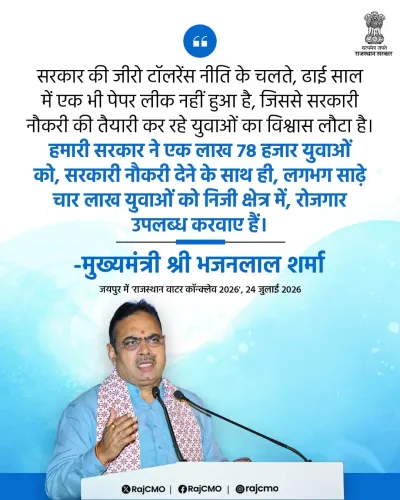
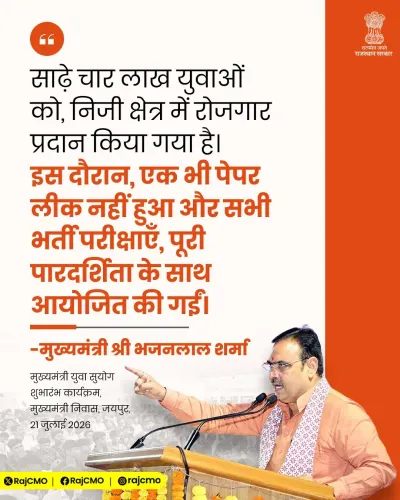
Rajasthan CM Bhajanlal Sharma claimed zero paper leak incidents in the past two-and-a-half years under a zero-tolerance policy.
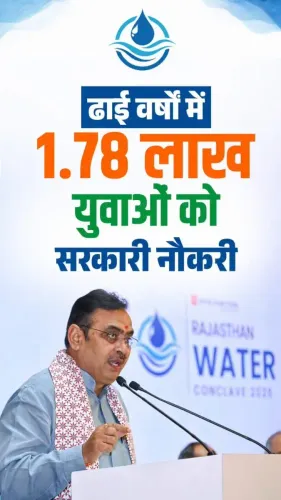
The government has provided 1.78 lakh government jobs and facilitated employment for nearly 4.5 lakh youths in the private sector.
The Ramjal Setu Link Project will cover 17 districts and irrigate 4.84 lakh hectares of farmland.
The Yamuna Water Agreement will bring 1,917 cusecs of water to Shekhawati via a 295-km pipeline , benefiting 75 lakh people .
Projects worth ₹5,100 crore approved under AMRUT 2.0 for 178 urban local bodies ; 15 lakh rural households given tap water under Jal Jeevan Mission .
Daytime electricity for farmers to be extended across Rajasthan by 2027 .
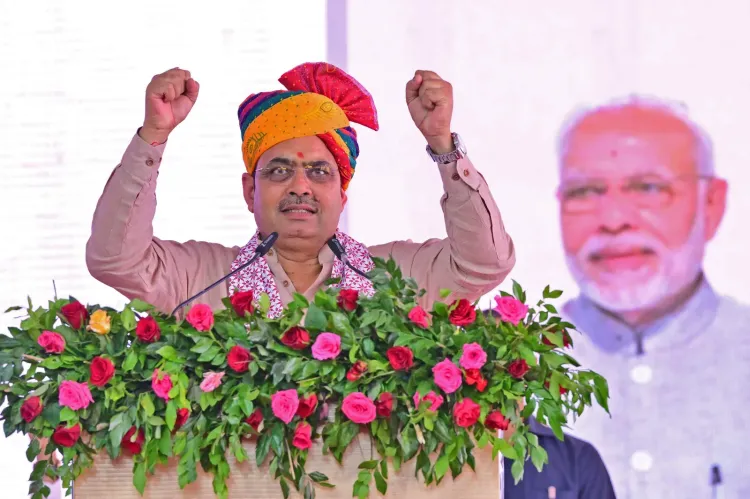
Rajasthan Chief Minister Bhajanlal Sharma on Friday, 24 July declared that the state government's zero-tolerance policy against examination malpractices has kept paper leak incidents at zero for the past two-and-a-half years, restoring confidence among lakhs of competitive examination aspirants. Speaking at the Rajasthan Water Conclave in Jaipur, Sharma also highlighted that his government has generated over 6.28 lakh jobs — 1.78 lakh in the government sector and nearly 4.5 lakh in the private sector.
Zero Paper Leaks: The Recruitment Turnaround
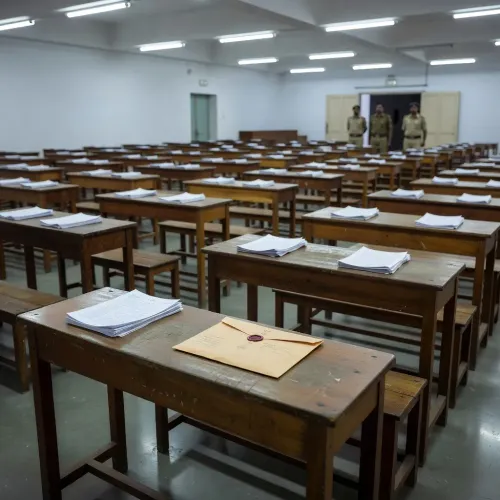
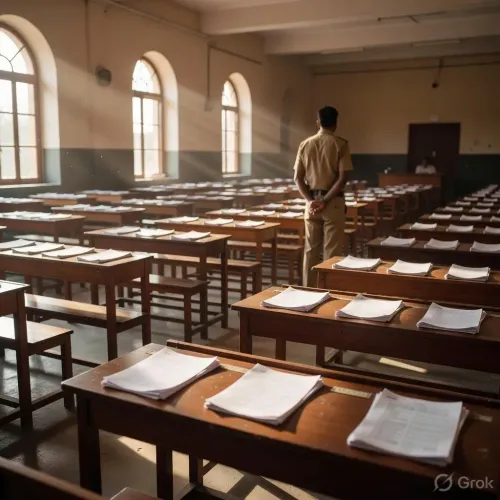
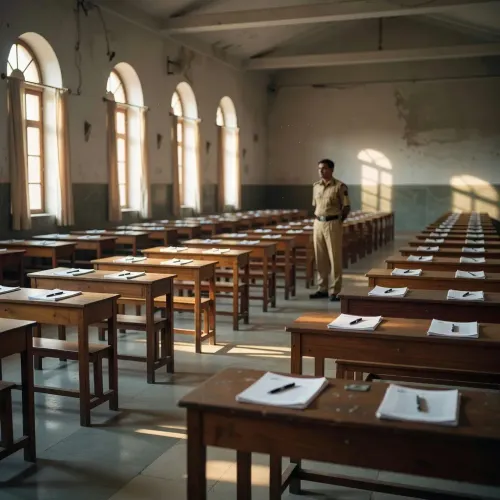
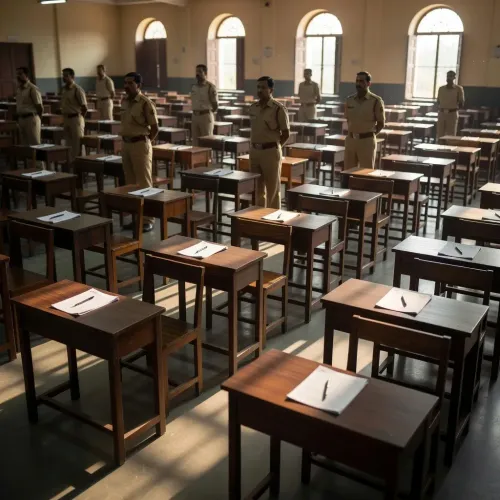
Rajasthan had been dogged by a string of high-profile examination paper leak scandals before the current government took office. Sharma credited a firm institutional response for the reversal. “The government’s zero-tolerance approach has ensured that not a single paper leak incident has taken place in the last two-and-a-half years. This has restored the trust of young people preparing for competitive examinations,” he said.
The Chief Minister added that the state remains committed to transparent recruitment and timely filling of vacancies so that deserving candidates receive equal opportunities. Notably, this claim comes ahead of several large-scale state recruitment drives expected in the coming months.
Employment Record: Government and Private Sector
1.78 lakh youths have been given government jobs under the current administration, while nearly 4.5 lakh people have secured private-sector employment through various state-backed initiatives. Sharma asserted that employment generation and transparent recruitment remain among the government’s top priorities, framing the figures as evidence of a governance turnaround since the Bharatiya Janata Party (BJP) returned to power in Rajasthan.
Water Security: Flagship Projects and Key Targets
The conclave also served as a platform for Sharma to outline Rajasthan’s water security roadmap. He said the Ramjal Setu Link Project would secure drinking water across 17 districts and provide irrigation to nearly 4.84 lakh hectares of agricultural land.
Under the Yamuna Water Agreement, 1,917 cusecs of Yamuna water will be routed to the Shekhawati region via a 295-km pipeline, benefiting approximately 75 lakh people across Sikar, Jhunjhunu, and Churu districts. Work is also progressing on the Dewas III and Dewas IV projects — costing a combined ₹1,691 crore — to address Udaipur’s drinking water requirements.
The Parwan Multipurpose Irrigation Project, on which the state has already spent ₹1,164 crore, is described as a lifeline for Kota, Baran, and Jhalawar districts. Additional plans include bringing Narmada water to Raniwara and Bhinmal, and linking the Brahmani River to Bisalpur.
Urban Infrastructure and Rural Connectivity
Projects worth ₹5,100 crore have been approved under AMRUT 2.0 to strengthen drinking water infrastructure across 178 urban local bodies, with work orders already issued for 109 of them. Under the Jal Jeevan Mission, tap water connections have been extended to over 15 lakh rural households, while works worth ₹485 crore have been completed under the Atal Bhujal Yojana.
Farmers in 26 districts are currently receiving daytime electricity supply, and Sharma said this facility would be extended statewide by 2027. A Chief Minister’s Irrigation Task Force has been constituted to accelerate pending irrigation projects, and farmers are being given real-time water availability data through the Kisan Saathi mobile application.
National Model Ambition
Sharma positioned Rajasthan as an emerging national model for water conservation, citing Prime Minister Narendra Modi’s broader programmes — including Catch the Rain, Namami Gange, Jal Jeevan Mission, Atal Bhujal Yojana, Amrit Sarovar, Har Khet Ko Pani, and Per Drop More Crop — as the national framework underpinning the state’s efforts. He stressed that future generations would judge the present by its commitment to water conservation, and called for greater community participation and technology-driven water management.
With multiple large infrastructure projects underway and recruitment reforms showing early results, the coming months will test whether Rajasthan’s twin pledges on jobs and water security translate into measurable outcomes on the ground.
Point of View
And the real credibility test will come when the next major state recruitment cycle concludes. On water, the conclave produced an impressive list of projects, but many are mid-construction or in planning; the gap between announcement and delivery has historically been wide in Rajasthan’s irrigation sector. The 6.28 lakh jobs figure also conflates direct government appointments with facilitated private employment — a distinction that matters for assessing actual public-sector capacity-building.
NationPress
23 Oct 2026
Frequently Asked Questions
Has Rajasthan really had zero paper leaks in the last two-and-a-half years?
Chief Minister Bhajanlal Sharma has claimed that not a single paper leak incident occurred in Rajasthan in the past two-and-a-half years, attributing this to the government’s zero-tolerance policy against examination malpractices. The claim has not been independently verified by an external audit body.
How many jobs has the Rajasthan government created under CM Bhajanlal Sharma?
According to Sharma, the state government has provided 1.78 lakh government jobs and facilitated employment for nearly 4.5 lakh youths in the private sector, bringing the combined total to over 6.28 lakh. He made these remarks at the Rajasthan Water Conclave in Jaipur on 24 July.
What is the Ramjal Setu Link Project in Rajasthan?
The Ramjal Setu Link Project is a flagship water infrastructure initiative that aims to provide drinking water security across 17 districts of Rajasthan while also delivering irrigation facilities to nearly 4.84 lakh hectares of agricultural land.
What will the Yamuna Water Agreement mean for Rajasthan’s Shekhawati region?
Under the Yamuna Water Agreement, 1,917 cusecs of Yamuna water will be channelled to the Shekhawati region through a 295-km pipeline, benefiting approximately 75 lakh people in Sikar, Jhunjhunu, and Churu districts.
What is Rajasthan’s target for extending daytime electricity to farmers?
The Rajasthan government currently provides daytime electricity supply to farmers in 26 districts and has set a target to extend this facility across the entire state by 2027, according to CM Sharma.