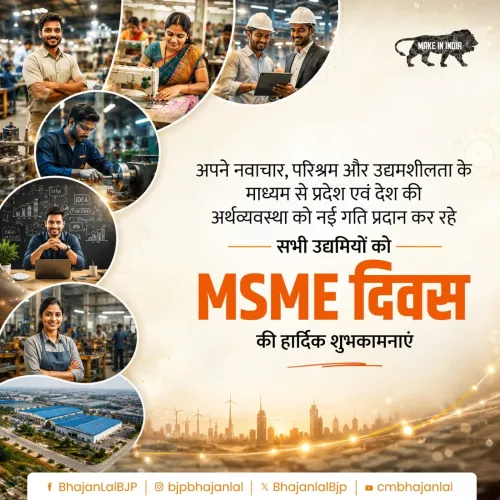
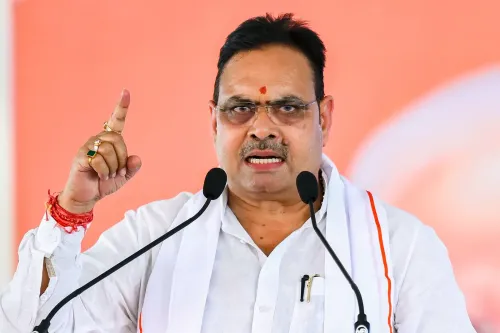
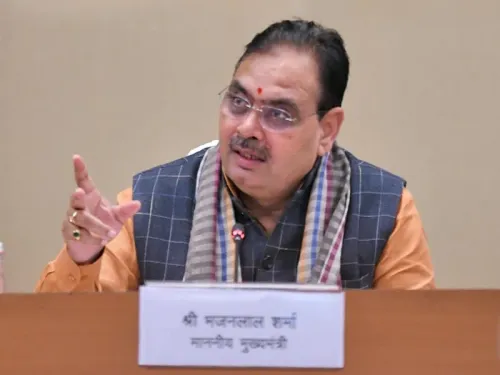
Rajasthan CM Bhajan Lal Sharma launches MSME push on International MSME Day
Synopsis
On International MSME Day, Rajasthan CM Bhajan Lal Sharma unveiled a broad industrial push — from PPP-model artisan Haats in four cities to slashed regulatory timelines and a near-ninefold expansion of 'White Category' industries. With 33 lakh enterprises already making Rajasthan the country's fourth-largest MSME base, the state is betting that policy speed and startup funding can convert that scale into a genuine investment magnet.
Key Takeaways
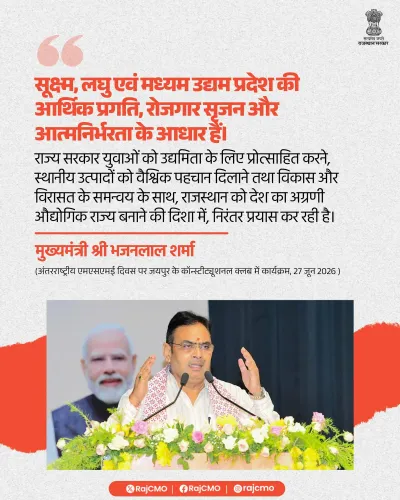
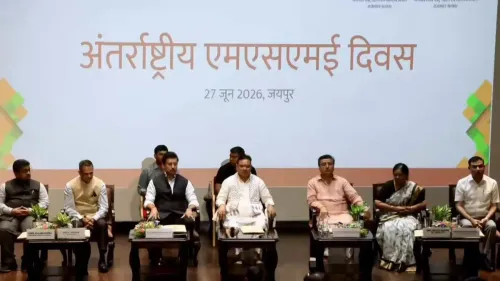
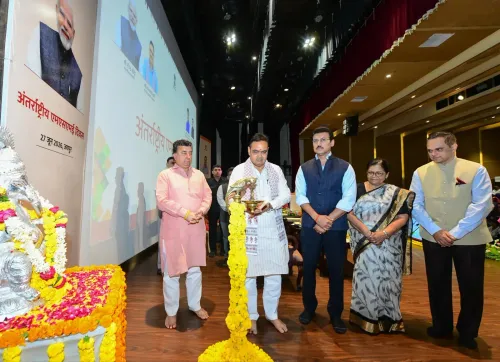
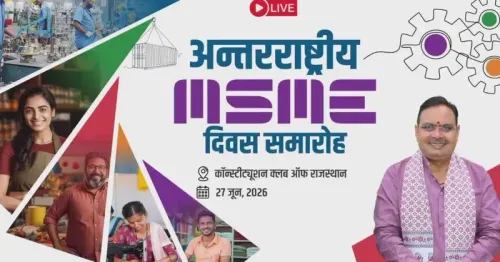
CM Bhajan Lal Sharma unveiled MSME reforms on 27 June at the Constitution Club, Jaipur , on International MSME Day .
Rajasthan is ranked the fourth-largest MSME base in India, with more than 33 lakh enterprises .
Dedicated artisan and weaver Haats to be set up in Pushkar, Nathdwara, Jaisalmer , and Alwar under PPP model.
25 startups to receive funding via the Rajasthan Venture Capital Fund ; financial assistance of over ₹13 crore distributed. 'White Category' non-polluting industries expanded from 104 to 877 ; industrial operations approval time cut from 120 to 30 days .
Monthly stipend for women and differently-abled trainees in electronics and semiconductor programmes raised from ₹4,000 to ₹6,000 .
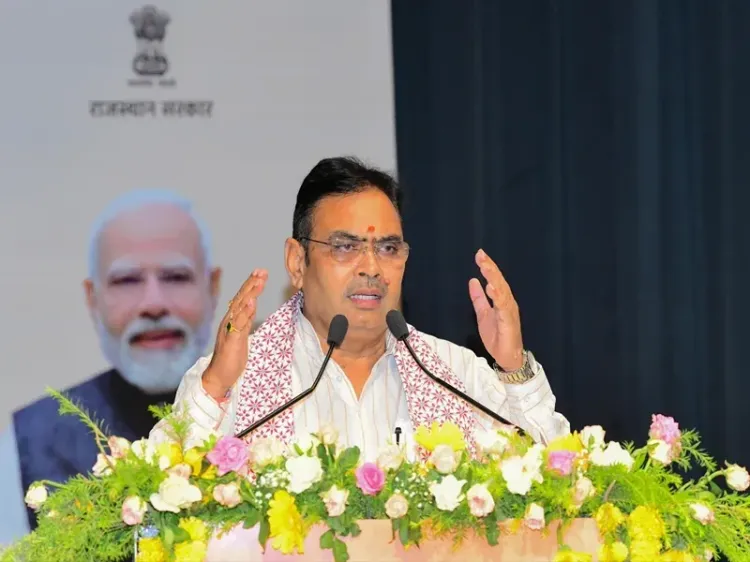
Chief Minister Bhajan Lal Sharma on 27 June unveiled a sweeping package of policy measures to strengthen Rajasthan's MSME ecosystem, announcing new industrial hubs, enhanced startup funding, and regulatory reforms at a function held at the Constitution Club in Jaipur on the occasion of International MSME Day. The state, which now hosts more than 33 lakh enterprises, is currently ranked as the fourth-largest MSME base in the country.
Key Announcements
Among the headline measures, the Chief Minister announced the development of dedicated Haats for artisans, weavers, and micro-enterprises under the Public-Private Partnership (PPP) model, to be initially set up in Pushkar, Nathdwara, Jaisalmer, and Alwar. He also confirmed financial assistance for 25 new startups through the Rajasthan Venture Capital Fund this year, and launched the Rajasthan Industrial Development Policy, the ODOP Coffee Table Book, and the RAMP (Raising and Accelerating MSME Performance) Portal.
On the electronics and semiconductor front, the government announced strengthened incentives under RIPS-2024, including reduced investment thresholds and expanded phase flexibility — projects covered under the Government of India's ECMS scheme can now invest across up to five phases instead of three. Monthly stipend support for women and differently-abled trainees in electronics and semiconductor skill development programmes was raised from ₹4,000 to ₹6,000.
Regulatory Reforms and Ease of Doing Business
Sharma said the state government has implemented reforms across 23 key sectors to improve ease of doing business. The approval timeline for land-use conversion in urban areas has been halved — from 60 days to 30 days — while the period for granting permission to commence industrial operations has been slashed from 120 days to 30 days. The list of 'White Category' non-polluting industries has been expanded from 104 to 877, significantly reducing regulatory compliance burdens for MSMEs.
Under the Direct Allotment Policy-2025, more than 1,600 industrial plots have been allotted across the state in the past year to ensure timely land availability. The capital subsidy period for MSMEs under RIPS has also been reduced from 10 years to seven years.
Industrial Infrastructure and New Hubs
Highlighting Rajasthan's long-term industrial roadmap, the Chief Minister said the government is developing new industrial hubs including solar panel manufacturing parks, ceramic parks, data centre parks, and defence manufacturing parks. He also referenced the Viksit Gram-Ward Abhiyan, under which a development roadmap is being prepared to promote unique local products from every district and provide them with global recognition.
Sharma also distributed cheques worth over ₹13 crore — comprising loans, grants, and subsidies under various schemes of the Department of Industries and Commerce — along with RIICO land allotment letters and offer letters to beneficiaries of state industrial schemes.
What Ministers Said
Industries and Commerce Minister Col Rajyavardhan Rathore said the government is working to create an investor-friendly ecosystem through policy reforms and the expansion of industrial infrastructure, noting that 33 new industrial areas have been developed with necessary approvals. Minister of State for Industries and Commerce K.K. Bishnoi said Rajasthan is witnessing renewed momentum in MSMEs, skill development, and industrial growth under the Chief Minister's leadership.
With the Rising Rajasthan Global Investment Summit already having bolstered investor confidence, the state government's next challenge will be translating policy announcements into verifiable employment and output gains on the ground.
Point of View
Halved approval timelines, and a new industrial policy all in one sitting. But the pattern of large-scale announcements at marquee events, from Rising Rajasthan to International MSME Day, raises the question of implementation bandwidth. The real test is whether the 1,600 plot allotments and the 33 new industrial areas translate into operating units and jobs, not just letters of intent. India's MSME sector has historically struggled with the gap between policy intent and credit access at the ground level — and Rajasthan's venture capital fund covering just 25 startups annually is a modest instrument against that structural challenge.
NationPress
26 Sept 2026
Frequently Asked Questions
What did Rajasthan CM Bhajan Lal Sharma announce on International MSME Day?
CM Bhajan Lal Sharma announced a wide range of MSME and industrial measures on 27 June, including dedicated artisan Haats in four cities, financial support for 25 startups through the Rajasthan Venture Capital Fund, enhanced electronics incentives under RIPS-2024, and the launch of the Rajasthan Industrial Development Policy. He also distributed over ₹13 crore in financial assistance to beneficiaries.
What is Rajasthan's ranking among Indian states for MSMEs?
Rajasthan is the fourth-largest MSME base in India, with more than 33 lakh enterprises, according to the Chief Minister's statement at the event.
How has Rajasthan changed its regulatory timelines for industries?
The state has cut the approval time for land-use conversion in urban areas from 60 days to 30 days and reduced the permission timeline for commencing industrial operations from 120 days to 30 days. The 'White Category' non-polluting industries list has also been expanded from 104 to 877 entries.
What are the new incentives for electronics and semiconductor sectors in Rajasthan?
Under RIPS-2024, the state has reduced investment thresholds and enhanced incentives for the electronics and semiconductor sectors. Projects under the Government of India's ECMS scheme can now invest across up to five phases instead of three, and monthly stipends for women and differently-abled trainees in related skill programmes have been raised from ₹4,000 to ₹6,000.
Where will the new artisan and weaver Haats be established in Rajasthan?
The dedicated Haats for artisans, weavers, and micro-enterprises will initially be established in Pushkar, Nathdwara, Jaisalmer, and Alwar under the Public-Private Partnership model.