CM Fadnavis Bets on Maharashtra as India's GCC Capital

Synopsis
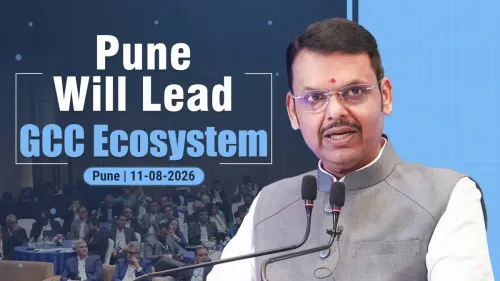
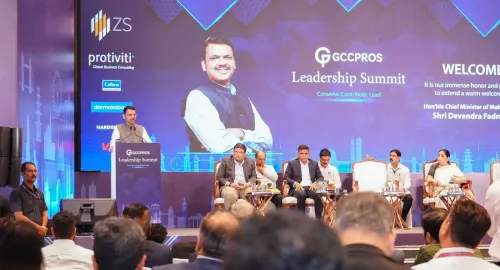
At the GCCPROs Leadership Summit in Pune on August 11, 2026, CM Devendra Fadnavis made Maharashtra's case as India's premier GCC destination, citing a multi-city ecosystem spanning Mumbai's finance base, Pune's engineering depth, and emerging tier-2 centres like Nashik and Nagpur.
Key Takeaways
CM Devendra Fadnavis attended the GCCPROs Leadership Summit in Pune on August 11, 2026 .
GCCs in India are evolving from support functions to centres for AI, engineering, R&D, cybersecurity and financial services .
Maharashtra's pitch spans Mumbai (finance), Pune (engineering/tech), and tier-2 cities including Nashik, Nagpur and Chhatrapati Sambhajinagar .
Fadnavis called for alignment between government, industry and universities to match skill development with future GCC demands.
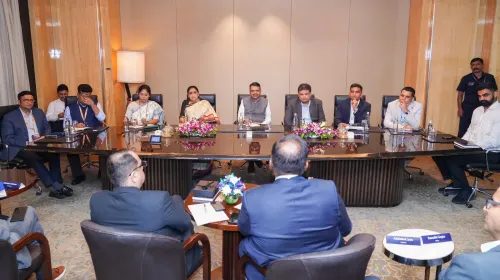
Deputy CM Sunetra Pawar , GCCPROs CEO Shammi Prabhakar Singh and Co-founder Nilesh Deshmukh were present at the summit.
Maharashtra competes with Karnataka, Telangana and Tamil Nadu , which hold early advantages in India's GCC landscape.
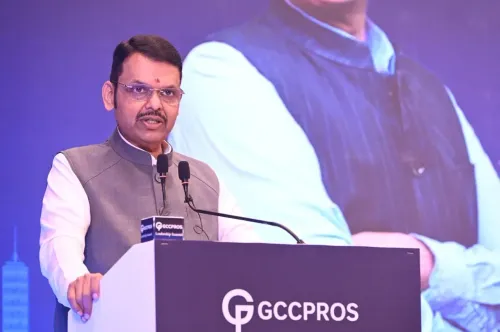
India's GCC race just got a new frontrunner — and Maharashtra is making its case loudly. Maharashtra Chief Minister Devendra Fadnavis attended the GCCPROs Leadership Summit in Pune on Tuesday, August 11, 2026, pitching the state as the definitive destination for the next generation of Global Capability Centres.
Why GCCs Are No Longer Back-Office Operations
The pitch Fadnavis made in Pune reflects a shift that has been reshaping India's tech economy for years. GCCs — once synonymous with cost-arbitrage support desks — have evolved into nerve centres for engineering, AI, product development, cybersecurity, financial services, data analytics and R&D. Global business decisions, he noted, are increasingly being driven from these very centres on Indian soil.
India is already one of the world's largest GCC destinations, with states like Karnataka, Telangana and Tamil Nadu having built early and commanding leads in IT and tech services. Maharashtra's counter-offer is structural: not one city, but a layered, multi-city ecosystem.
Mumbai, Pune, and the Tier-2 Bet
Mumbai anchors the pitch with its financial and commercial muscle. Pune adds deep engineering, manufacturing, technology and talent credentials. Then comes the differentiator: Nashik, Nagpur, Chhatrapati Sambhajinagar and other emerging urban centres, which Fadnavis positioned as ready to absorb specialised GCC functions — spreading the ecosystem beyond the two metros.
The argument is that Maharashtra's geography is its moat. No other single state can offer a financial capital, an engineering hub, and a string of rising tier-2 cities under one industrial and regulatory roof.
The Skills-Infrastructure Compact Fadnavis Is Calling For
Fadnavis was direct about the preconditions: skilled talent, infrastructure, research, universities, connectivity and ease of doing business must all move in tandem. He called on government, industry and academic institutions to align so that the skills being built today match the demands of tomorrow's GCC functions — a nod to the persistent gap between campus output and industry need that has dogged India's tech sector.
Deputy Chief Minister Sunetra Pawar, GCCPROs CEO Shammi Prabhakar Singh and GCCPROs Co-founder Nilesh Deshmukh were also present at the summit, signalling both political and industry-level commitment to the agenda.
The next test is concrete: follow-up investment announcements from GCCs eyeing Pune and Mumbai, and whether the state translates today's summit energy into a formal skill or infrastructure framework with industry and universities. Speeches set the stage — deals close it.
Point of View
But it also reflects how intensely Indian states are now competing for high-value foreign corporate investment. The call for a government-industry-academia compact on skills signals awareness that infrastructure alone will not win the race; talent pipeline is the real battleground. Whether this summit translates into binding policy commitments or investment pledges will determine if Maharashtra's pitch moves from aspiration to execution.
NationPress
26 Sept 2026
Frequently Asked Questions
What is a Global Capability Centre (GCC)?
A Global Capability Centre (GCC) is a unit set up by a multinational company in a country like India to handle functions such as engineering, R&D, AI development, data analytics, cybersecurity and financial services — going well beyond traditional back-office or call-centre roles.
Why did CM Fadnavis attend the GCCPROs Leadership Summit in Pune?
CM Devendra Fadnavis attended the GCCPROs Leadership Summit in Pune on August 11, 2026, to pitch Maharashtra as India's leading destination for the next generation of GCCs, highlighting the state's multi-city ecosystem of Mumbai, Pune and emerging tier-2 centres.
Which cities in Maharashtra are being promoted for GCC investment?
Fadnavis highlighted Mumbai for its financial and business base, Pune for engineering and technology capabilities, and emerging cities including Nashik, Nagpur and Chhatrapati Sambhajinagar for specialised GCC functions.
How does Maharashtra compare to Karnataka and Telangana for GCCs?
Karnataka and Telangana established early leads in India's GCC sector through their IT and tech services ecosystems. Maharashtra differentiates itself with a broader multi-city spread combining financial services (Mumbai), engineering and manufacturing (Pune), and rising tier-2 urban centres.
What did Fadnavis say about skills and education for GCCs?
Fadnavis called for government, industry and academic institutions to work together to ensure that skills being developed today align with the future needs of GCC functions, emphasising talent, infrastructure, research, universities, connectivity and ease of doing business.