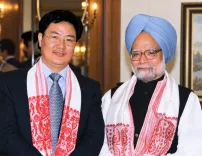
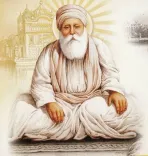
Rajnath Singh pays tribute to Guru Amar Das on Jyoti Jot Divas
Synopsis
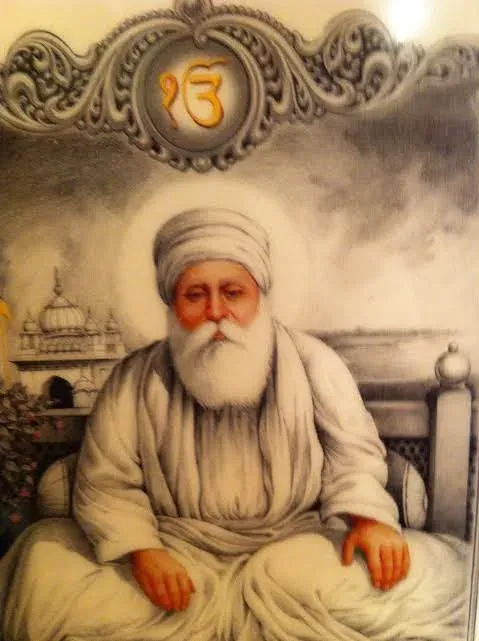
Union Defence Minister Rajnath Singh marked the Jyoti Jot Divas of Guru Amar Das Ji, the third Sikh Guru, praising his 'Pangat before Sangat' tradition and his lifelong campaign against caste discrimination and social inequality.
Key Takeaways
Rajnath Singh paid tribute to Guru Amar Das Ji on his Jyoti Jot Divas (death anniversary) on 26 September 2026 .
Guru Amar Das Ji ( 1479–1574 ) was the third Guru of Sikhism , known for institutionalising the langar tradition with the principle 'Pehle Pangat, Phir Sangat' .
The Guru actively opposed caste discrimination , the practice of sati, and the veiling of women — making him a landmark social reformer of his era.
He established 22 manjis to propagate Sikh teachings across the subcontinent.
Singh's tribute fits a broader pattern of Indian political leaders across parties publicly honouring Sikh Gurus on their religious anniversaries.
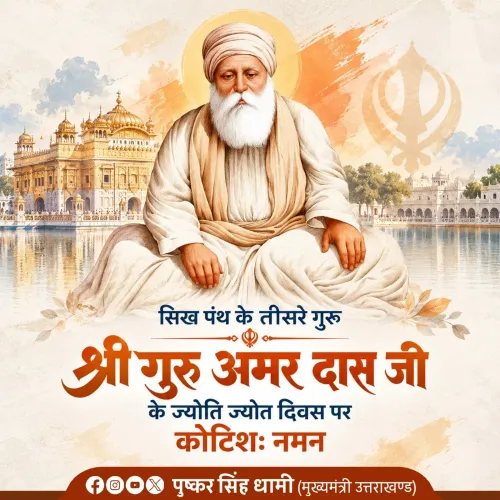
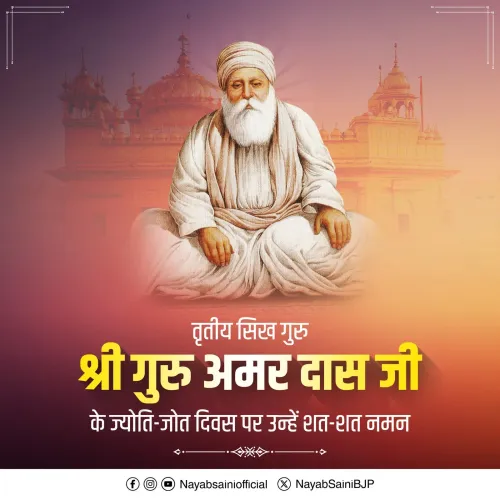
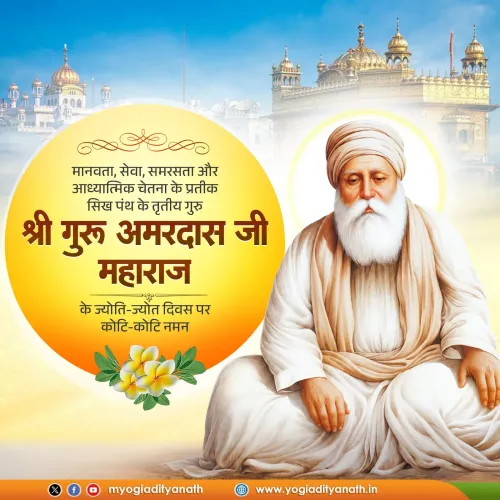
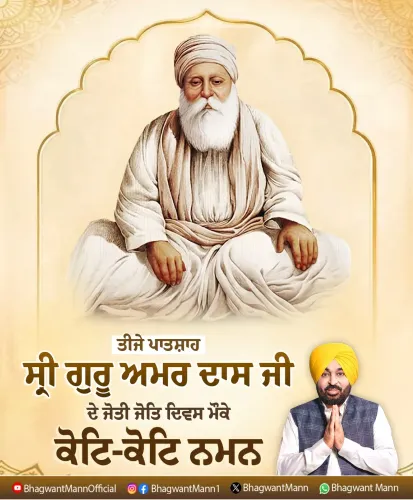
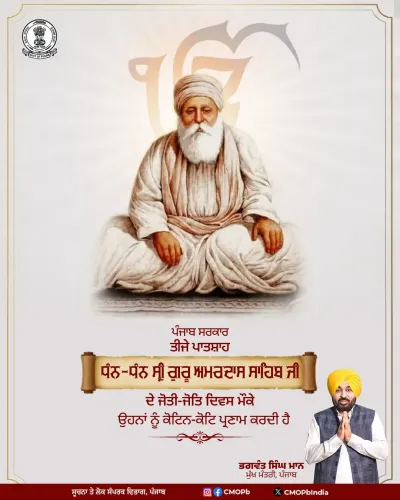
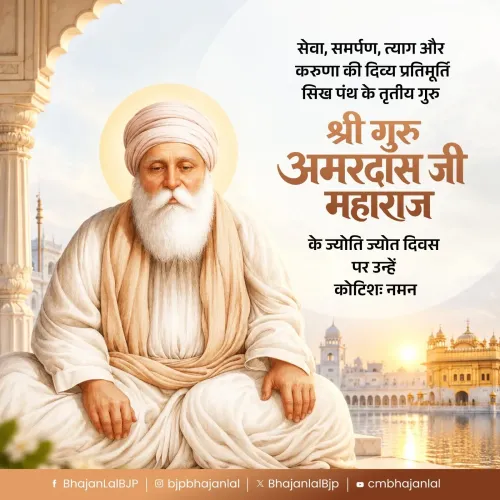
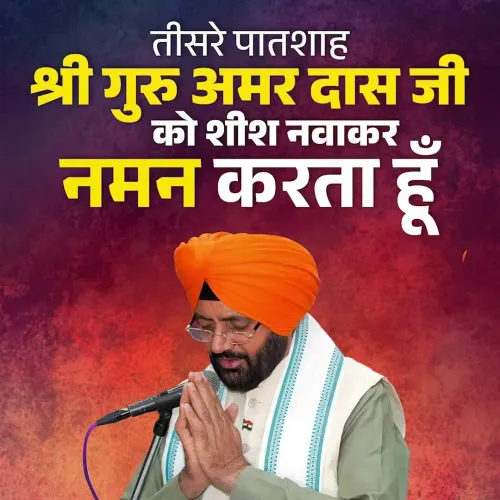
On the death anniversary of Guru Amar Das Ji, the third Guru of Sikhism, Union Defence Minister Rajnath Singh offered a reverential tribute, invoking the Guru's enduring teachings on equality, service, and social harmony — principles that resonate as strongly today as they did five centuries ago.
In his post on Saturday, 26 September 2026, Singh wrote: 'पहले पंगत, फिर संगत' — 'first the community meal, then the congregation' — highlighting the tradition that Guru Amar Das Ji institutionalised and fortified. Singh noted that the Guru championed social harmony and equality, delivering an immortal message of humanity, service, and unity against caste discrimination and social evils.
The Guru who made a king sit on the floor
Guru Amar Das Ji, born in 1479 and the third in the Sikh Guru lineage, made the langar — the free community kitchen — a cornerstone of Sikh practice. His rule was simple and radical: no one, regardless of rank or caste, ate in the congregation before sitting together in the langar. When the Mughal Emperor Akbar visited, he is said to have sat on the ground alongside common devotees before entering the Guru's presence. It was equality made visible, not merely spoken.
The Guru also campaigned against the practice of sati and the veiling of women, and established 22 manjis — dioceses — to spread Sikh teachings across a wider geography. His spiritual vision fused devotion with social reform in a way that prefigured many of the constitutional values India would enshrine centuries later.
Why political leaders mark this day
Across party lines, Indian leaders regularly issue public tributes on the anniversaries of Sikh Gurus. The practice reflects both genuine reverence and a consistent cultural engagement with the Sikh community, one of India's most historically significant minority groups. Defence Minister Singh's message is part of this broader pattern, drawing a direct line between the Guru's teachings and values of national unity and social justice.
As India approaches further Sikh commemorations — including Guru Nanak Jayanti and Guru Gobind Singh Jayanti — tributes like this one serve as a reminder that the Gurus' legacies remain active reference points in the country's public discourse, not relics of a distant past.
A Guru who reformed society by insisting a king and a peasant share the same floor — that memory, Rajnath Singh's tribute suggests, still has work to do.
Point of View
Not just preached — is a carefully chosen framing that links an ancient Guru's social radicalism to contemporary constitutional values. Such commemorations by senior ministers form a deliberate calendar of cultural engagement, reinforcing the ruling party's outreach to minority communities ahead of future electoral cycles. The Guru's legacy of anti-caste reform also gives these messages cross-community resonance beyond just Sikh voters.
NationPress
26 Sept 2026
Frequently Asked Questions
What is Jyoti Jot Divas of Guru Amar Das Ji?
Jyoti Jot Divas is the death anniversary of a Sikh Guru, marking the day they merged with the divine light. Guru Amar Das Ji, the third Sikh Guru, passed away in 1574 , and his Jyoti Jot Divas is observed annually with prayers and tributes.
Who was Guru Amar Das Ji?
Guru Amar Das Ji ( 1479–1574 ) was the third Guru of Sikhism. He is celebrated for strengthening the langar (community kitchen) tradition with the principle 'Pehle Pangat, Phir Sangat,' and for opposing caste discrimination, sati, and other social evils of his time.
What does 'Pehle Pangat, Phir Sangat' mean?
'Pehle Pangat, Phir Sangat' means 'first the community meal, then the congregation.' Guru Amar Das Ji used this practice to enforce equality, requiring everyone — regardless of caste or royal rank — to sit together and eat before entering his presence.
Why did Rajnath Singh pay tribute to Guru Amar Das Ji?
Union Defence Minister Rajnath Singh posted a tribute on 26 September 2026 to mark the Jyoti Jot Divas of Guru Amar Das Ji, honouring the Guru's teachings on social equality, service, and the fight against caste discrimination.
What reforms did Guru Amar Das Ji introduce in Sikhism?
Guru Amar Das Ji institutionalised the langar system, established 22 manjis to spread Sikh teachings, opposed the practices of sati and purdah (veiling of women), and campaigned actively against caste-based inequality — making him one of the earliest social reformers in the subcontinent.