Rajnath Singh greets nation on Nag Panchami
Synopsis
Union Defence Minister Rajnath Singh marked Nag Panchami on 17 August 2026 with a message rooting the ancient Hindu festival in values of nature reverence, compassion for all living beings, and ecological balance — a framing typical of senior BJP leaders on major cultural occasions.
Key Takeaways
Rajnath Singh extended greetings on Nag Panchami , observed on 17 August 2026 .
He described India's cultural tradition as inherently built on reverence for nature and coexistence with all living beings.
Nag Panchami falls on the fifth day of Shukla Paksha in the Shravana month and involves worship of snakes as symbols of nature.
Singh explicitly linked the festival to environmental conservation and ecological balance.
Indian political leaders routinely use major Hindu festivals to connect cultural heritage with contemporary public-interest themes.
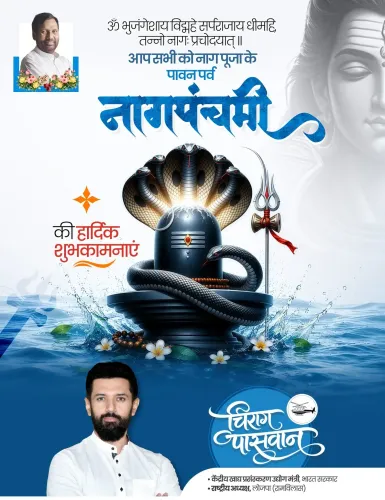
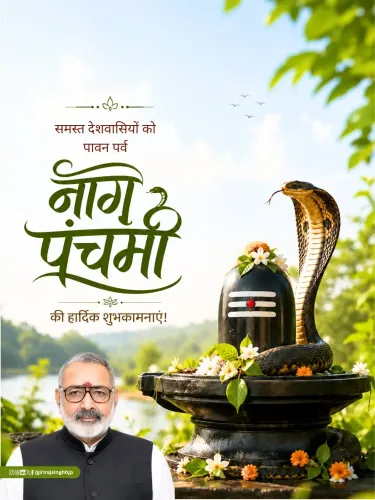
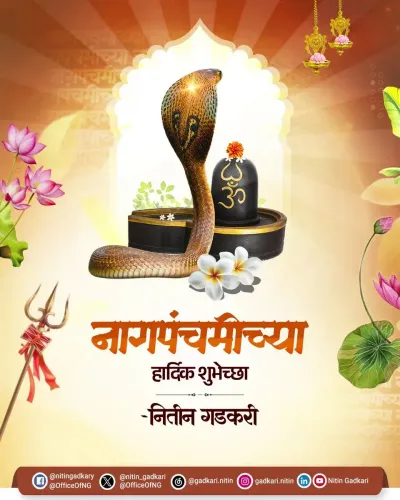
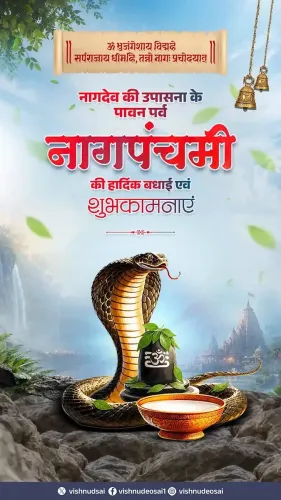
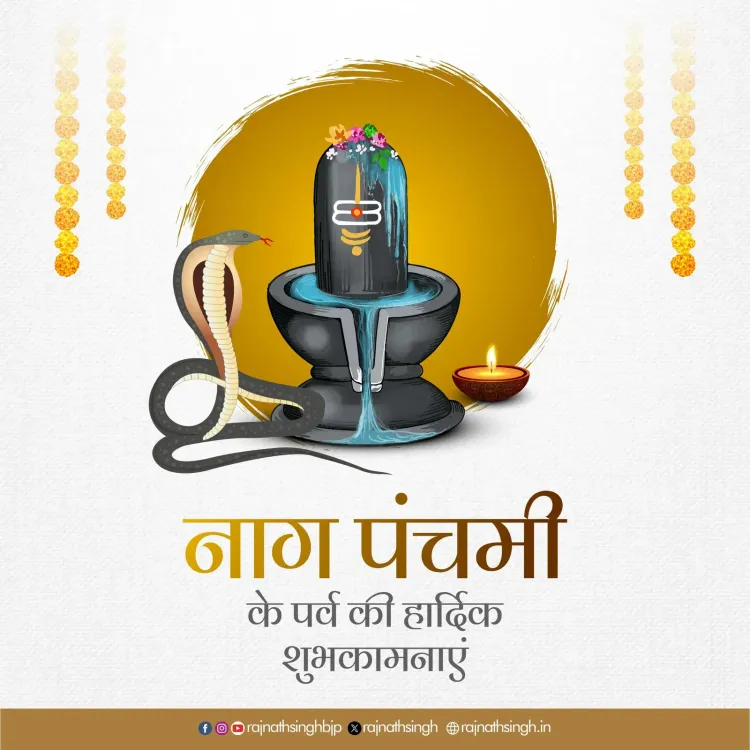
On the auspicious occasion of Nag Panchami, Union Defence Minister Rajnath Singh extended warm wishes to the nation on Monday, 17 August 2026, weaving together India's ancient reverence for nature with a contemporary call for environmental stewardship.
In his post, the senior BJP leader wrote: 'भारत की सांस्कृतिक परंपरा में प्रकृति के प्रति श्रद्धा, समस्त जीव-जगत के प्रति करुणा और सह-अस्तित्व का भाव सदैव निहित रहा है' — 'India's cultural tradition has always been rooted in reverence for nature, compassion for all living beings, and a spirit of coexistence.' He described Nag Panchami as an eternal festival that carries the message of nature conservation, ecological balance, and respect for every living creature.
What Nag Panchami represents
Nag Panchami falls on the fifth day of the Shukla Paksha in the Shravana month of the Hindu calendar. Observed across India, the festival centres on the worship of snakes — revered in Hindu tradition as symbols of nature's power and the cycle of life. Devotees offer milk and prayers at serpent shrines and anthills, a practice that also quietly discourages the killing of snakes during the monsoon season when they are most visible.
A political tradition of linking faith and ecology
Singh's message follows a well-established pattern among Indian political leaders, who routinely use major Hindu festivals as a platform to connect cultural heritage with present-day concerns. By framing Nag Panchami explicitly around 'environmental balance' and 'respect for every living being,' the Defence Minister echoes a broader political vocabulary that bridges temple and policy — tradition as a living argument for conservation.
Point of View
Positioning ancient practice as a living argument for conservation without invoking any specific government scheme. It is a low-stakes but consistent exercise in cultural branding that the BJP has refined over successive electoral cycles.
NationPress
1 Oct 2026
Frequently Asked Questions
What is Nag Panchami and when is it celebrated?
Nag Panchami is a Hindu festival dedicated to the worship of snakes, observed on the fifth day of the Shukla Paksha in the Shravana month of the Hindu calendar, typically falling in July or August.
What did Rajnath Singh say on Nag Panchami 2026?
Union Defence Minister Rajnath Singh wished the nation on Nag Panchami, saying India's cultural tradition has always carried reverence for nature, compassion for all living beings, and a spirit of coexistence, and called the festival a message for environmental conservation and ecological balance.
Why do Indian politicians post Nag Panchami greetings?
Indian political leaders routinely issue public greetings on major Hindu festivals via social media, often linking traditional beliefs with contemporary themes such as environmental protection and national unity.
What is the significance of snake worship on Nag Panchami?
Snakes are revered in Hindu tradition as symbols of nature's power and the life cycle. Worship on Nag Panchami also traditionally discourages harming snakes during the monsoon season when they are most active.