Rajnath Singh meets Indian Army contingent from Commonwealth Games
Synopsis
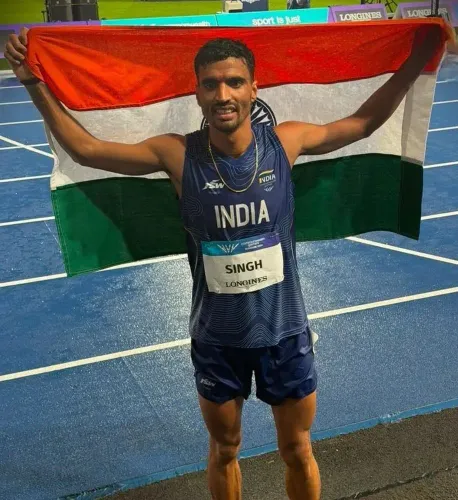
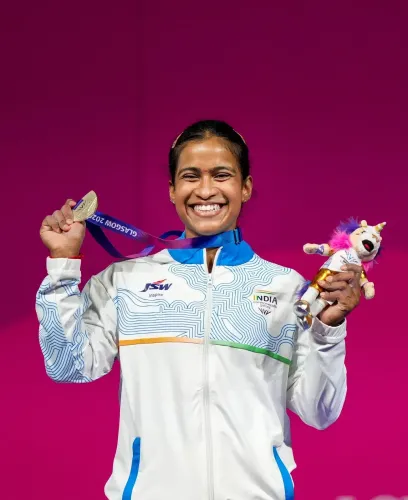
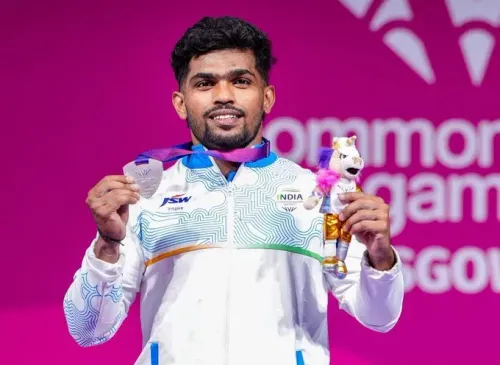
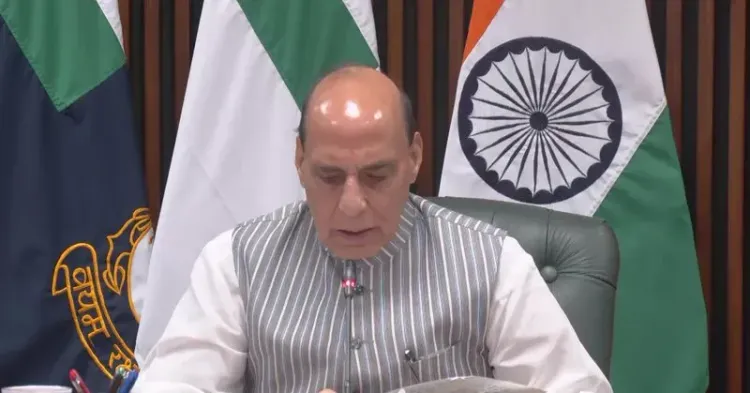
Union Defence Minister Rajnath Singh met the Indian Army contingent from the Commonwealth Games held in Glasgow, recognising the soldiers who competed for India. Armed forces athletes have represented India at the Games since 1934, with defence leadership periodically acknowledging their dual role in service and sport.
Key Takeaways
Union Defence Minister Rajnath Singh met the Indian Army contingent from the Commonwealth Games at Glasgow .
Indian Army personnel regularly represent India in international multi-sport events alongside their primary military duties.
India has participated in every Commonwealth Games since 1934 , with armed forces athletes forming part of national contingents.
Defence Ministers meeting sporting contingents signals institutional recognition of athletic excellence within the military.
Singh has previously served as Union Home Minister and Chief Minister of Uttar Pradesh before heading the defence portfolio.
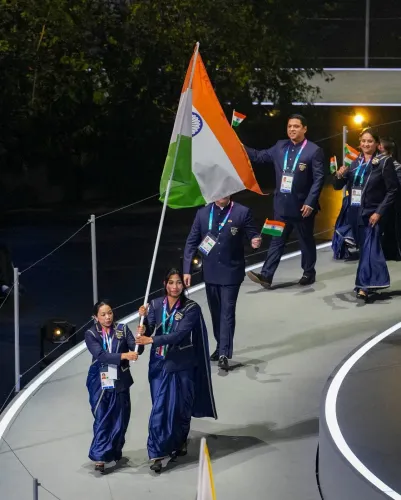
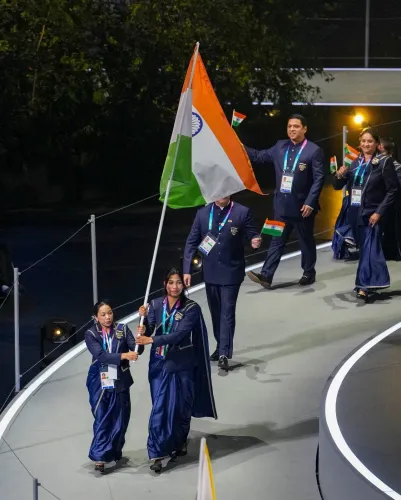
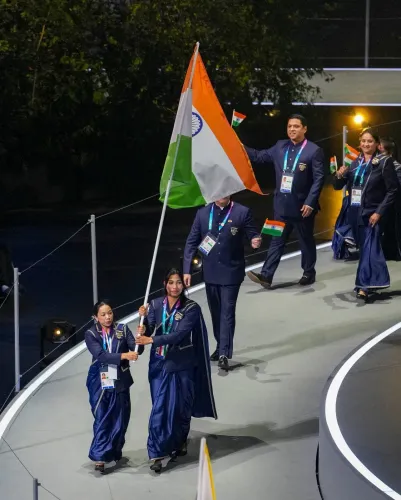
Where sport meets service, Union Defence Minister Rajnath Singh sat down with members of the Indian Army contingent who represented the nation at the Commonwealth Games in Glasgow, acknowledging their dual commitment to country — on the field and in uniform.
Soldiers who compete for the tricolour
Armed forces personnel in India carry a distinction few athletes share: they train to defend the nation and, when called upon, to represent it in international sport. The Indian Army has long fielded competitors at multi-sport events, and interactions like this one — a senior minister pausing to recognise their effort — form a visible part of how the defence establishment signals that athletic excellence within the forces is valued, not incidental.
India has sent contingents to every Commonwealth Games since 1934. Glasgow, the Scottish city that hosted the Games, has seen Indian athletes compete with distinction across disciplines, and Army personnel have historically been part of those squads.
Why a Defence Minister's recognition matters
Defence Ministers meeting returning or competing contingents is not merely ceremonial. It places military sport within the larger frame of national pride and institutional investment — a signal to serving personnel that performance on the track or the mat carries weight at the highest levels of the ministry. For the soldiers in that room, the meeting is a moment of formal acknowledgement from the political head of the armed forces.
Singh, who has served as Union Home Minister and Chief Minister of Uttar Pradesh before taking charge of the defence portfolio, has consistently engaged with armed forces personnel across ceremonial and operational contexts.
The tricolour flies in many arenas. When it is carried by someone who also wears a uniform, the weight of that moment doubles — and a minister who shows up to say so makes it count.
Point of View
Who has cultivated a reputation as a hands-on minister with strong ties to the armed forces, this kind of engagement reinforces that image without requiring a policy announcement. It also fits a broader pattern of integrating sports visibility into the defence establishment's public outreach, as India pushes to raise its profile in international multi-sport competitions.
NationPress
14 Aug 2026
Frequently Asked Questions
Why did Rajnath Singh meet the Indian Army Commonwealth Games contingent?
Rajnath Singh, as Union Defence Minister, met the Indian Army contingent from the Commonwealth Games in Glasgow to personally acknowledge the soldiers who represented India in the event, reflecting the ministry's recognition of athletic achievement within the armed forces.
Which city hosted the Commonwealth Games that the Indian Army contingent participated in?
The Commonwealth Games referenced were held in Glasgow , Scotland.
Has India always participated in the Commonwealth Games?
Yes. India has fielded teams at every Commonwealth Games since 1934 , with armed forces personnel often forming part of the national contingent.
Who is Rajnath Singh?
Rajnath Singh is India's Union Defence Minister , a senior BJP leader, and has previously served as Union Home Minister and Chief Minister of Uttar Pradesh .
Do Indian Army soldiers regularly compete in international sports events?
Yes. Armed forces personnel in India regularly represent the country in domestic and international sports competitions, including multi-sport events like the Commonwealth Games, alongside their primary military duties.